
Arevo, a eco-friendly plant food company, , just got €7.3 million

Arevo, a eco-friendly plant food company, just got €7.3 million

Arevo, a Swedish company that makes eco-friendly plant food, just got €7.3 million from its friends who gave money before: Industrifonden, Fort Knox Förvaring AB, Navigare Ventures, and Stora Enso. This big pile of cash will help Arevo build a giant factory to make much more of its special natural plant food. The money will also let them improve how they make it and start selling it to farmers in other countries around the world.

About Funding

Arevo is a company from Sweden that makes special plant food using natural ingredients instead of harsh chemicals. They just got a big pile of money—€7.3 million—to build a huge factory so they can make lots more of this plant food and share it with farmers in other countries. The same kind friends who helped them before gave money again because they believe in Arevo’s idea.

About their Products

This special plant food is made from something called arginine phosphate. It helps plants grow strong, keeps extra bits from washing into rivers, and makes much less pollution than the old kinds of plant food that hurt the air. In fact, regular plant food causes almost twice as much air pollution as all the airplanes in the world!

Company welcomed a new helper

Arevo also welcomed a new helper named Maria to their team. She used to lead Sweden’s Green Party and knows tons about keeping the Earth clean and following green rules. With her help and the new money, Arevo is ready to grow super big and help farmers everywhere grow food in a way that’s gentle on our planet.

This funding will help them improve production and sell to farmers in other countries. The special plant food helps plants grow strong, stops leaks into rivers, and cuts pollution, making farming better for the planet.

FAO’s GIAHS Programme: Protecting Traditional Farming for a Sustainable Future

What You Should Know

  • FAO honoured 28 new Globally Important Agricultural Heritage Systems (GIAHS) across 14 countries, bringing the total to 102 sites worldwide.
  • The event, held in Rome during FAO’s 80th Anniversary, celebrated communities preserving traditional knowledge, biodiversity, and climate resilience.
  • FAO Director-General QU Dongyu emphasized GIAHS’ role in achieving the Four Betters – Better Production, Nutrition, Environment, and Life.
  • Ministers and representatives from countries including Andorra, Tajikistan, Italy, Japan, and Indonesia joined the ceremony along with UN Tourism.
  • The programme featured a policy dialogue and a “Voices from GIAHS” talk show sharing success stories from six countries.
  • Launched in 2002, GIAHS now spans 29 countries, promoting agrobiodiversity, cultural heritage, and sustainable rural development.

What is Update

The Food and Agriculture Organization (FAO) celebrated 28 new special farming areas from 14 countries. These places are called Globally Important Agricultural Heritage Systems (GIAHS). They show how farmers, fishers, and local people use old and smart ways to take care of the land, grow food, and protect nature.

The event was held in Rome during FAO’s 80th birthday. FAO’s leader, QU Dongyu, thanked all the people who keep these traditions alive and said their work helps the world have better food, a cleaner environment, and a happier life.

Leaders from countries like Andorra, Tajikistan, Italy, Japan, and Indonesia joined the event. There were talks about how to support these heritage systems and stories from farmers in different countries. The GIAHS program started in 2002 and now includes 102 sites in 29 countries, helping protect nature and culture for a better and greener future.

Principle Outcomes

The GIAHS program helps protect old and wise farming methods that care for the earth and use resources wisely. It supports farmers and local communities by keeping their traditions alive while improving their income through eco-friendly farming and tourism. It also helps protect plants, animals, and soils, keeping the environment healthy. By learning from these traditional systems, people can find better ways to grow food and face challenges like climate change.

The FAO’s GIAHS program is very important for the future of farming and nature. It connects old knowledge with new ideas to make food systems stronger and more sustainable. By honoring these special farming areas, the world learns to respect nature, value culture, and work together for a better, greener, and safer planet.

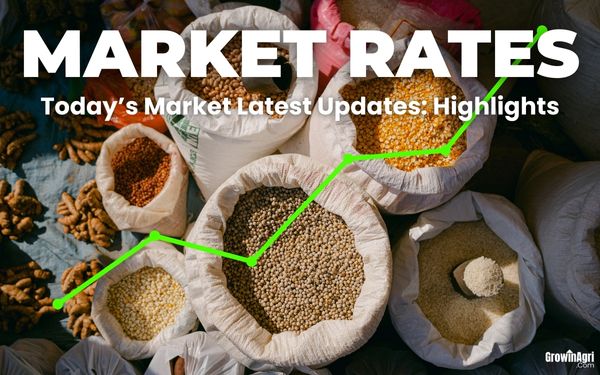
Today’s Market Rate Highlights – 12 September

Cereals Market Rates

Wheat rates

MarketsVarietyModal Prices (Rs/quintals)
Dahod, Gujarat147 Average2825
Lokwan2850
Wheat2750
Agar, Madhya PradeshWheat2611
Mumbai, MaharashtraOther4400
Nimbahera, RajasthanOther2663
Agra, Uttar PradeshDara2600

Rice rates

Bangarpet, KarnatakaIR 203600
Manjeri, KeralaOther4850
Azamgarh, Uttar PradeshIII3350
Gadarpur, UttarakhandOther3710
Balurghat, West BengalCommon3650

Maize rates

Tiruvuru, Andhra PradeshHybrid/Local2350
Hybrid/Local2250
Badwaha, Madhya PradeshLocal1360
Local1360
Nakodar, PunjabOther2060
Badepalli, TelanganaLocal1611
Bilsi, Uttar PradeshHybrid2000

Fruits Market Rates

Apple rates

Chandigarh(Grain/Fruit), ChandigarhApple9000
Sonepat, GujaratOther3000
Bhuntar, Himachal PradeshApple3000
Binny Mill (F&V), Bangalore, KarnatakaApple12000
Mumbai- Fruit Market, MaharashtraOther11000

Banana rates

Mehsana(Mehsana Veg), GujaratOther1250
Binny Mill (F&V), Bangalore, KarnatakaElakki Bale3500
Nasik, MaharashtraKhandesh1500
Azadpur, DelhiOther1850
Faizabad, Uttar PradeshBanana – Ripe2180

Vegetables Market Rates

Potato rates

Chandigarh(Grain/Fruit), ChandigarhOther800
Anand(Veg,Yard,Anand), GujaratPotato1375
Gurgaon, HaryanaOther1000
Vashi New Mumbai, MaharashtraOther1200
Azadpur, DelhiPotato1440

Tomato rates

Mulakalacheruvu, Andhra PradeshLocal2000
Chandigarh(Grain/Fruit), ChandigarhOther2000
Azadpur, DelhiTomato1855
Jaipur (F&V), RajasthanOther2050
Gudimalkapur, TelanganaDeshi800

Today Spices Market Rate Highlights – 11 September

Cummin Seed(Jeera) Market Rates

MarketsStatesModal Prices (Rs/quintals)
HalvadGujarat17500
Jamnagar15425
MumbaiMaharashtra25000
Ositan MathaniaRajasthan17500

Soanf Market Rates

MarketsStatesModal Prices (Rs/quintals)
HalvadGujarat6500
MumbaiMaharashtra20000
BeawarRajasthan7000

Turmeric Market Rates

DuggiralaAndhra Pradesh10300
10300
Chamaraj NagarKarnataka8967
JangipurWest Bengal16650

Today’s Vegetable Market Rate Highlights – 11 September

Potato Market Rates

MarketsStateVarietyMinimum PricesMaximum PricesModal PricesUnit of Price
Chandigarh(Grain/Fruit)ChandigarhOther30023001300Rs/Quintal
SuratGujaratOther60020001300Rs/Quintal
GurgaonHaryanaOther80012001000Rs/Quintal
KatniMadhya PradeshPotato104110411041Rs/Quintal
Vashi New MumbaiMaharashtraOther110016001350Rs/Quintal
KeshopurNCT of DelhiPotato80014001200Rs/Quintal
Jalandhar City(Jalandhar)PunjabOther100800300Rs/Quintal
Jaipur (F&V)RajasthanOther70013001000Rs/Quintal
BowenpallyTelangana(Red Nanital)80020001800Rs/Quintal
AgraUttar PradeshDesi95012501100Rs/Quintal

Tomato Market Rates

MarketsStatesVarietyMinimum PricesMaximum PricesModal PricesUnit of Price
MulakalacheruvuAndhra PradeshLocal130022001800Rs/Quintal
Chandigarh(Grain/Fruit)ChandigarhOther80024002000Rs/Quintal
GurgaonHaryanaOther100020001500Rs/Quintal
SolanHimanchal PradeshOther60021001500Rs/Quintal
KolarKarnatakaTomato30016601000Rs/Quintal
NagpurMaharashtraLocal100017001525Rs/Quintal
Other150020001875Rs/Quintal
KeshopurDelhiTomato220034002950Rs/Quintal
BowenpallyTelanganaDeshi40014001100Rs/Quintal
AmrohaUttar PradeshDeshi220024002300Rs/Quintal

Onion Market Rates

Chandigarh(Grain/Fruit)ChandigarhOther80016001200Rs/Quintal
SuratGujaratOther50019001200Rs/Quintal
BatoteJammu and KashmirOther250027002600Rs/Quintal
Kalapipal(F&V)Madhya PradeshOnion2351270900Rs/Quintal
DevalaMaharashtraOther20014301150Rs/Quintal
Jaipur (F&V)RajasthanOther100018001400Rs/Quintal
LucknowUttar PradeshRed140015001450Rs/Quintal
SheoraphulyWest BengalNasik140018001600Rs/Quintal

Mushrooms Market Rates

MarketsStateVarietyMinimum PricesMaximum PricesModal PricesUnit of Price
Mandi(Mandi)Himachal PradeshMashrooms180002000019000Rs/Quintal
PalampurHimachal PradeshOther180001900018500Rs/Quintal
SolanHimachal PradeshOther120001300012500Rs/Quintal
KathuaJammu and KashmirMashrooms130001400013500Rs/Quintal
JagraonPunjabMashrooms750085008000Rs/Quintal
Jalandhar City(Jalandhar)PunjabMashrooms610098008000Rs/Quintal

Coriander(Leaves) Market Rates

MarketsStatesVarietyMinimum PricesMaximum PricesModal PricesUnit of Price
Rajkot(Veg.Sub Yard)GujaratCoriander100040002500Rs/Quintal
Indore(F&V)Madhya PradeshCoriander100040002500Rs/Quintal
AhmednagarMaharashtraOther6139Rs/Quintal
Jaipur (F&V)RajasthanCoriander300040003500Rs/Quintal

Green Chilli Market Rates

MarketsStatesVarietyMinimum PricesMaximum PricesModal PricesUnit of Price
Chandigarh(Grain/Fruit)ChandigarhOther200035002800Rs/Quintal
Mehsana(Mehsana Veg)GujaratGreen Chilly20028001250Rs/Quintal
Khargone(F&V)Madhya PradeshGreen Chilly90014001200Rs/Quintal
NagpurMaharashtraOther200025002325Rs/Quintal
BowenpallyTelanganaGreen Chilly150030002700Rs/Quintal

Sri Lanka Raises Onion Tax, Hurts Indian Farmers

Sri Lanka has decided to charge more money to bring onions and potatoes into their country. Starting Tuesday, the tax on onions went up from 10 rupees per kilogram to 50 rupees per kilogram. They also increased the tax on potatoes. This makes it more expensive to send these vegetables from places like India to Sri Lanka.

Trouble for Indian Farmers

This change is bad news for farmers in India. They grow lots of onions, but they’re already getting low prices for them. Last year, India started sending onions to Sri Lanka again after a break. Now, Sri Lanka’s new tax might make it harder for Indian farmers to sell their onions there.

Sri Lanka’s Farmers Are Happy

Farmers in Sri Lanka are excited about this decision. They’ve been asking their government to raise taxes on imported vegetables for a long time. They say it’s tough to sell their own vegetables when cheaper ones come from other countries. A special report from Sri Lanka’s food safety team helped make this happen. It showed how imported vegetables affect local farmers.

How Much Are the New Taxes?

Here are the new taxes Sri Lanka is charging:

  • Potatoes: 20 rupees per kilogram
  • Red onions: 50 rupees per kilogram
  • Big onions: 10 rupees per kilogram
  • Sri Lanka hasn’t shared an official announcement yet, but people think it’s coming soon.

India’s Help Last Year

Last year, in April 2024, India allowed 10,000 tons of onions to be sent to Sri Lanka. This was part of a friendly “Neighborhood First” plan to help Sri Lanka during their New Year celebrations. But now, Sri Lanka’s new tax could make things harder for Indian farmers who depend on selling their onions.

Chhattisgarh Approves Rs 9.49 Crore for Irrigation Projects

In Jashpur, Chhattisgarh, farmers are getting a big help! The Chief Minister, Vishnu Dev Sai, has approved three special projects to fix old irrigation systems. These projects will cost Rs 9.49 crore and make farming easier for many people.

What Are These Projects?

The government is fixing three important water projects:

  • Konpara (Daltoli Dam) in Farsabahar: This will get Rs 3.47 crore to repair it.
  • Soro Diversion Scheme in Bagicha: This will get Rs 3.46 crore to make it better.
  • Ankira Pond Scheme in Farsabahar: This will get Rs 2.55 crore to fix it up.

How Will This Help Farmers?

These projects will bring more water to the fields. Farmers will have enough water to grow crops all year. This means they can grow more food and earn more money. It’s like giving their farms a big drink of water to stay healthy!

Saving Water and Growing Strong

Fixing these water systems will also help save water. Even if there’s a drought, farmers can still grow their crops. This will make farming stronger and help villages earn more money. Farmers will also learn new ways to grow crops better.

Uttar Pradesh Bans 11 Pesticides to Protect Basmati Rice Quality and Exports

The Uttar Pradesh government has made a big decision to keep Basmati rice special and safe. Starting August 1, they have banned 11 harmful pesticides in 30 districts for 60 days. This is to make sure the rice stays good for eating and selling to other countries.

Why the Ban?

Basmati rice is famous for its long grains and yummy smell. India sends a lot of it to countries like Europe, America, and others. These countries check the rice carefully to make sure it doesn’t have too many pesticide leftovers. If they find too much, they send the rice back, which is bad for farmers and India’s reputation. These pesticides can also harm people’s health.

The banned pesticides have tricky names like Tricyclazole, Buprofezin, and others. The ban is in 30 districts, like Hathras, Aligarh, Meerut, and Bareilly, where Basmati rice has a special tag called GI (Geographical Indication). This tag means the rice is unique to these places.

Why Do Farmers Use Pesticides?

Farmers use pesticides to protect their rice from diseases and bugs, like Blast Disease or Bacterial Leaf Blight. But if they use the wrong amount or spray too close to harvest time, some pesticide stays in the rice. This can cause other countries to reject it. For example, Europe allows only a tiny bit of pesticide (0.01 parts per million), while America allows 0.3, and Japan allows 0.8. Farmers need to be very careful!

What Should Farmers Do?

To keep Basmati rice safe and sellable, farmers should:

Use only pesticides suggested by agriculture experts or universities.

Use the right amount of pesticide.

Wait long enough after spraying before cutting the rice, as written on the pesticide label.

The government has warned that anyone selling these banned pesticides will face strict punishment under the Insecticides Act of 1968.

Why Basmati Is Special?

Basmati rice is loved worldwide for its taste and smell. India is the biggest rice exporter, and Basmati is a star! It grows in special areas, including parts of Uttar Pradesh, Punjab, and Haryana, which have the GI tag. This ban will help keep Basmati rice safe, healthy, and famous around the world!

Bonsai Robotics Boosts Team to Revolutionize Farming

Bonsai Robotics, a company creating smart machines for farmers, is making big moves! They’ve added new leaders to their team and bought another company called farm-ng to make farming easier with high-tech tools.

What’s Happening?

Bonsai Robotics welcomed a group of experts to lead their mission. These leaders know a lot about farming, robots, and computers. In July, Bonsai also bought farm-ng, a company that builds electric farm machines. This helps Bonsai offer more solutions to farmers.

Why It Matters

Bonsai is working on machines that can think for themselves using cameras and computers. These machines:

  • Work in tough spots, like dusty fields or places with no GPS.
  • Fit on old tractors or new electric machines, like the Bonsai Amiga.
  • Team up to get jobs done faster.
  • Share information to help farmers save money and grow better crops.

Who’s on the Team?

The new leaders bring tons of experience:

  • Tyler Niday, CEO: Built machines at John Deere and Blue River.
  • Ugur Oezdemir, CTO: Expert in making machines “see” with cameras.
  • John Teeple, COO: Ran tech projects at John Deere.
  • Matt Pigeon, CFO: Manages money for big companies.
  • Gary Bradski, Chief Science Officer: Created OpenCV, a tool that helps computers understand pictures.
  • Brendan Dowdle, Chief Business Officer: Used to lead farm-ng and now helps sell Bonsai’s machines.
  • Arlen Frew, CRO: Knows how to get new tech to farmers.

Looking Ahead

Bonsai is already testing its machines on crops like fruits and veggies. These machines help farmers who don’t have enough workers and make farming cheaper and faster. With their new team and farm-ng’s tech, Bonsai is ready to change farming for the better!

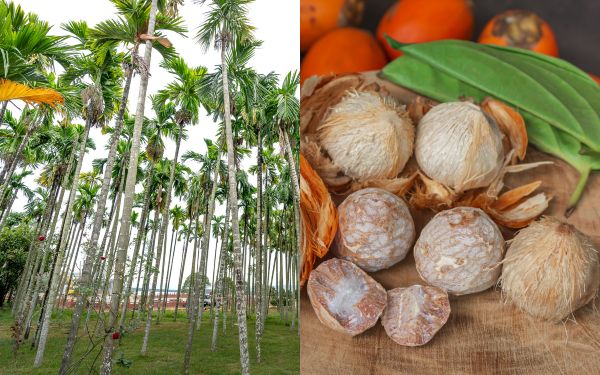
Areca Nut Farmers to Get Help for Virus Damage

The government will help areca nut farmers whose crops were damaged by a virus, said Agriculture Minister Shivraj Singh Chouhan. He held a big meeting in New Delhi with other ministers, lawmakers, and officials to talk about problems faced by areca nut farmers.

Clearing Up Confusion About Areca Nuts

A report from the World Health Organization (WHO) caused some confusion about areca nuts from Karnataka. Some people thought it might cause cancer. The minister said scientists are testing the nuts to prove they are safe. They will share their findings soon.

Areca Nuts Are Important in India

Minister Chouhan said areca nuts have been used in India for a long time, especially in special ceremonies and traditions. They are also used in Ayurvedic and animal medicines because they have helpful substances.

Helping Farmers with Virus Damage

The minister said the government is serious about helping farmers who lost their areca nut crops because of a virus called Aerolif. Scientists are working on solutions to stop this disease and provide farmers with healthy plants. The government is also looking into ways to pay farmers for their losses.

Other Problems Being Fixed

The meeting also discussed issues like illegal imports of areca nuts, moisture problems, and price differences for different sizes of nuts. The minister promised to solve these problems in a timely way to protect farmers and the areca nut industry.

Visiting Karnataka

Minister Chouhan plans to visit Karnataka with scientists and experts to check on the situation and make plans to improve areca nut farming.

India Leads in Areca Nut Production

India is the world’s biggest producer of areca nuts, making up 63% of the global supply. In 2023-24, India grew about 1.4 million tons of areca nuts on 949,000 hectares of land. Karnataka is the top state, producing 1 million tons on 676,000 hectares. Other states like Kerala, Assam, Meghalaya, Mizoram, West Bengal, and Tamil Nadu also grow areca nuts. About 6 million people in India depend on areca nut farming, and the crop is worth around ₹58,664 crore.

Exports and Imports

In 2023-24, India exported 10,637 tons of areca nuts worth ₹400 crore to countries like the UAE, Vietnam, Nepal, Malaysia, and the Maldives. To protect local farmers, the government has put a 100% tax on imported areca nuts and raised the minimum import price to ₹351 per kilogram. Officials are also checking the quality of imported nuts carefully.

Support Programs for Farmers

The government has set up a scientific committee to study diseases like Yellow Leaf Disease (YLD) and Leaf Spot Disease (LSD) that harm areca nuts. In 2024-25, ₹37 crore was given to Karnataka to help with these problems. For 2025-26, ₹8.6 crore was given for special programs. A ₹63.16 crore project for 2024-27 will help manage LSD in 10 areas of Karnataka. Another ₹9.99 crore project with 16 agencies is researching areca nuts and their effects on health.

The government is also running programs to teach farmers better ways to grow areca nuts and increase their income.

Conclusion

The Indian government is working hard to support areca nut farmers by addressing virus damage, improving crop quality, and protecting the industry from illegal imports. With scientific research, financial aid, and plans to visit affected areas, Minister Chouhan and his team are committed to helping farmers and ensuring the areca nut industry stays strong. These efforts will help millions of farmers and keep areca nuts an important part of India’s culture and economy.

India’s New Shield for Pigeon pea – Fighting a Crop-Killing Disease

Pigeon pea (Arhar dal) is one of India’s most important crops. But it faces a dangerous problem – Sterility Mosaic Disease (SMD). This disease can destroy up to 90% of the crop, leaving farmers with huge losses.

Now, scientists from ICRISAT, ICAR–Indian Institute of Pulses Research, ICAR–Indian Agricultural Research Institute, and Dr. Rajendra Prasad Central Agricultural University (RPCAU), Dholi have made a big discovery. They have found a special gene called “Ccsmd04” that can protect pigeon pea from this deadly disease.

They have also created 4 DNA markers. These work like special “tests” that help scientists quickly find plants with the resistance gene. This makes it faster to develop and share strong, disease-fighting seeds with farmers.

Why This Is Important

  • Saves pigeon pea crops from major damage
  • Helps farmers grow more and earn better
  • Supports farming that can handle climate challenges
  • Keeps India’s food supply strong and secure

This is another proud achievement for ICAR and its partners, showing how science can protect farmers and make agriculture stronger for the future.

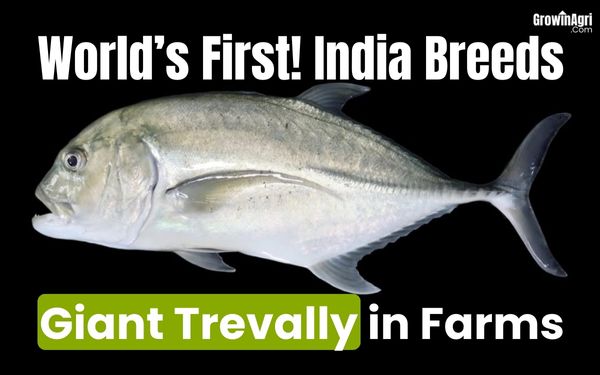
India’s Big Fish Farming First – Giant Trevally Success

Scientists at the ICAR–Central Marine Fisheries Research Institute (CMFRI) have done something no one in the world has ever done before – they have raised the Giant Trevally (Caranx ignobilis), a valuable sea fish, all the way from tiny babies (larvae) to healthy adults, without catching them from the wild.

And that’s not all – for the first time in India, they have made captive-bred seeds of this fish, which means baby fish ready to grow in farms.

These fish were grown in brackishwater cages at Kollam. Brackishwater is a mix of fresh water and salty sea water. The Giant Trevally grew super fast and could handle different salt levels even better than popular fish like silver pompano and cobia.

In 2024, these baby fish were given to farmers in Kerala, Tamil Nadu, and Karnataka. Now, more coastal families can earn money from fish farming without harming the ocean’s natural fish populations.

Why It Is Important:

1. It Protects wild fish
2. It Helps fishermen and their families earn more
3. It Keeps oceans healthy
4. It Makes India a leader in fish farming

This is a proud moment for India and a big step in making our blue economy – the part of the economy that comes from the sea – more sustainable and science-driven.

Tamil Nadu Helps Over 1.5 Crore Farmers Check Soil Health

Tamil Nadu Helps Over 1.5 Crore Farmers Check Soil Health

Tamil Nadu has done something amazing for its farmers! Since the year 2015, the government has given over 1.5 crore Soil Health Cards to farmers. These cards tell farmers if their soil is healthy and what they need to grow better crops. This helps them use the right amount of fertilizer and take care of their land.

This news was shared in the Parliament by Minister Ramnath Thakur on August 6, 2025.

How Do Farmers Get These Soil Health Cards?

The government made a smart plan. They made sure all farmers, even small and poor ones, got their cards on time.

  • Special vans called Mobile Soil Testing Labs (MSTL) go to villages.
  • These vans collect soil, test it, and give the report with useful tips.
  • Farmers also get help from Krishi Sakhis (Agri volunteers) and ATMA officers who teach them in village meetings.

Before planting seasons like Kharif and Rabi, farmers get advice from Village Agriculture Groups.

Some Soils Need Extra Help

Most of the land in Tamil Nadu is healthy. But in some places, the soil has problems. For those areas, experts give special advice to fix the soil.

36 Soil Labs Are Now Very Modern

To make soil testing better, Tamil Nadu upgraded 36 big soil labs with new machines. These labs are now approved by the National Board (NABL).

The labs use high-tech tools like:

  • Atomic Absorption Spectrometer (AAS)
  • ICP Spectrophotometer

And guess what? Farmers can now see their soil test reports online on the Soil Health Card portal!

10 Lakh Solar Pumps for Our Farmers

Big step for farmers! The Madhya Pradesh government has launched a major campaign to install 10 lakh solar pumps across the state by next year. This move aims to reduce farmers’ dependence on electricity and diesel, while making irrigation easier and more affordable.

What Are Solar Pumps?

Solar pumps use sunlight to pump water from wells or underground sources to the fields. Unlike traditional pumps, they don’t require grid electricity or fuel. This means zero power cuts, lower costs, and clean energy.

Up to 90% Subsidy for Farmers

Under the “Pradhan Mantri Krishak Mitra Surya Yojana”, farmers can get up to 90% subsidy on solar pumps. The remaining 10% is paid by the farmer. This support is being provided by both central and state governments.

This makes solar pumps affordable, even for small and marginal farmers.

What Did the CM Say?

Chief Minister Dr. Mohan Yadav recently reviewed the project in a meeting with the Department of New and Renewable Energy. He directed officials to ensure that farmers get the full benefit of schemes like the PM-KUSUM Yojana, and that all related departments work together to meet the 10 lakh pump target.

Why This Matters

  • Reduced electricity bills
  • Reliable irrigation – no power cuts or diesel issues
  • Eco-friendly solution
  • Increased awareness among farmers
  • Future opportunity to sell extra solar energy

What’s Next?

The pump installation will be done in phases, and awareness drives will be conducted across rural areas. This campaign is expected to transform irrigation practices and empower farmers with energy independence.

This initiative isn’t just about pumps – it’s about energy security, savings, and self-reliance for farmers. With sunlight as their new partner, the future of farming in Madhya Pradesh looks bright and sustainable.

Autonomous Mushroom Harvesting Company 4AG Robotics Raises $40M CAD

Great news for Mushroom industry, worldwide; because an autonomous mushroom harvesting company, 4AG Robotics raises $40M CAD.

About 4AG Robotics

4AG Robotics a Canadian Company which is working with robotics for mushroom industry. this company help mushroom growers for harvesting mushrooms with their autonomous robots. their robots currently operate in Canada, Ireland, and Australia, with launches planned in the U.S. and Netherlands.

About Funding

This investment $40M CAD is series B funding round. this financing to accelerate production and global expansion. The round was led by Astanor and Cibus Capital, with participation from Voyager Capital and continued support from InBC, Emmertech, BDC Industrial Innovation Fund, the Jim Richardson Family Office, Stray Dog Capital, and Seraph Group. The new funding brings the company’s total capital raised to $57.5 million in two years.

Target is $60 billion Industry

According to 4AG, The global mushroom market is set to grow exponentially, reaching a projected value of $60 billion by 2030. However, as demand surges, the industry faces a stark reality: a growing gap in labor availability.

Future Plans of 4AG

Plan is clear of 4AG Robotics. global expansion & innovation in their technology. what you think about this 4AG Robotics and their technology and this investment also; comment below!

Today’s Top 7 Agri Updates | 22 July 2025

Latest Tips & Updates straight to your inbox

Join 2000 Subscribers for exclusive access to our weekly Agri Dose newsletter with industry insights, National & International updates and jobs updates.

1. China Reaffirms Food Security at 16th International Agri-Trade Policy Conference

Beijing hosted the 16th International Agricultural Trade Policy Conference on July 15, bringing together leaders from the WTO, FAO, and various international diplomats. Vice Minister Zhang Zhili reiterated China’s commitment to bolstering food security through a dual strategy of robust domestic production and moderate imports. Amid rising global protectionism, geopolitical conflicts, and climate change, the conference underscored the importance of multilateral collaboration, resilient supply chains, and advancing green transformation in agriculture. The 2025 China Agro-Trade Report was also released, setting a strategic path for China’s engagement in global agriculture.

2. India Set to Boost Global Pulse Production by 8 Million Tonnes by 2034

India is projected to contribute an additional 8 million tonnes of pulses to global output by 2034. This forecast from the OECD-FAO Outlook attributes growth to:

  • Hybrid seed adoption
  • Enhanced mechanization
  • Supportive policies for farmers
  • Wider intercropping practices by smallholders

Per capita pulse consumption in India is set to reach 8.6kg annually by 2034, promising improved nutrition and increased farmer incomes. India’s leadership solidifies Asia’s pivotal role in meeting the world’s rising pulse demand.

3. Kharif Sowing Momentum: 708 Lakh Hectares Surpassed, Cotton Down

As of July 18, 2025, India’s Kharif sowing covered 708.31 lakh hectares, up nearly 28 lakh hectares year-on-year. Key highlights:

  • Rice: Registered the highest growth, up by 19.47 lakh hectares.
  • Coarse Cereals & Pulses: Expanded significantly.
  • Cotton: Acreage declined by 3 lakh hectares, attributed to market price volatility and delayed monsoons.
  • Soybean: Area fell, but groundnut and bajra recorded gains.

Despite setbacks in cotton and oilseeds, India’s overall Kharif season displays solid momentum.

4. Chhattisgarh Acts Against Fertilizer and Seed Black Marketing

Cracking down on black marketing, Chhattisgarh authorities conducted surprise raids in Bilaspur district:

  • Notices issued to three dealers for unauthorized sales and billing irregularities.
  • One license suspended for 15 days over non-compliance.
  • Warehouses sealed and sales banned for regulatory violations.

A mandatory POS (Point-of-Sale) system for all fertilizer transactions is now enforced, protecting farmers from adulteration and unfair practices.

5. Google Unveils AMED AI Tool for Indian Farmers

Google, in partnership with IIT Kharagpur under the Amplify Initiative, introduced AMED API—an AI-driven tool designed to help Indian farmers:

  • Monitor crops and farmland in real time using satellite imagery and machine learning.
  • Identify crops, measure fields, and detect sowing/harvest dates.

While initial adoption is slow due to income constraints and fragmented landholdings, the tool aims to boost productivity and resilience for Indian farmers. Notably, it also supports India’s linguistic and cultural diversity through tailored AI datasets.

Join our WhatsApp Channel

Join our official WhatsApp Channel for daily updates on agri-tech, market trends, government schemes, startup news, expert tips, weather alerts & more — all in one place!

6. Bihar Announces ₹50,000 per Hectare Fruit Cultivation Subsidy

The Bihar government has launched a new subsidy—₹50,000 per hectare—to promote commercial fruit farming (guava, amla, apple ber, lemon) under its Crop Diversification Programme. Key features:

  • Covers 50% of the ₹1 lakh cultivation cost, split into two installments.
  • Available for up to 4 hectares per eligible farmer.
  • Online, first-come-first-served application to ensure transparency.

This scheme aims to increase farmer incomes and promote climate-resilient, high-return horticulture.

7. Gujarat Mango Exports Surge, Gir Kesar in Spotlight

Gujarat has exported 3,000 tons of mangoes in the last five years, with a record 29% shipped in 2024-25 alone. The famed Gir Kesar mango, protected by GI tag, is seeing heightened global demand—especially in the US and South Africa. Other highlights:

  • Mango production climbed 21% from 2021-22 to 2023-24.
  • Cultivation area increased by 8.4%.
  • Amreli district led with 8.16 tons/hectare productivity.
  • An irradiation facility in Bavla improved export quality, treating 805 tons of mangoes since 2019.

Women in agribusiness: success stories and opportunities

The concept of independent women or working women is not new. I have seen my grandmothers working in the fields, farming, and no one questioned them. Women in agriculture or agribusiness is not a new concept. However, the fact is that women in agriculture have often faced family financial instability in the farming community. Nevertheless, women nowadays are proving them wrong, making it a norm, and we have the proof with us.

Latest Tips & Updates straight to your inbox

Join 2000 Subscribers for exclusive access to our weekly Agri Dose newsletter with industry insights, National & International updates and jobs updates.

Success Stories and Opportunities

Some great examples of women’s empowerment in the agriculture field:

Nethra’s Story of Vaaradhi Farm

Nethra Reddy, the founder of Vaaradhi Farms, is an entrepreneur with a passion for organic farming and a sustainable lifestyle. Nethra, an agripreneur from Andhra Pradesh, is currently on the journey of building an organic and sustainable brand. She brings the goodness of nature to your table.

She has a lot of products — from raw organic vegetables to ghee pickles, raw natural honey, lip balms, etc., all organic and natural.

Nethra presents how agriculture can be a great and profitable career option for the young generation.

Binita Kumari’s Story of Mushroom Farming

Binita Kumari is a woman entrepreneur who does mushroom farming. She is from an underprivileged family in Bihar. But Binita’s dedication and hard work helped her to excel in farming. She learned mushroom farming from KVK (Krishi Vikas Kendra). She started her journey by procuring mushroom spawn from KVK Banka and completed her first 25 bags.

Binita is not only a successful mushroom farmer but also a great marketer. Her story inspired many women from her village as well as nearby villages. The Government of India helps women farmers in establishing their own businesses.

Remabhai’s Story of Soilless Dragon Fruit Farming

Agriculture is not always about money; sometimes it also works as mental therapy for a lifestyle that is not lazy but active. This is shown by a farmer from Kerala, Ramadevi, a retired zoology teacher. Where people say retirement is the end of your career and you spend time resting, for Ramadevi, retirement is not the end of her career, but the beginning of a new one.

Ramadevi is from Kerala. She started her journey of dragon fruit farming due to its benefits for the heart and eyes. She started farming on her terrace.

She chose to grow dragon fruit on her terrace and decided to do soilless farming. Though it came with a lot of difficulties, trial and error, and experimentation, she was able to grow them successfully. Her tricks worked like magic, and now she earns a good amount of money from dragon fruit farming post-retirement.

Sharmila’s Story of Drones in Agri-Tech

Under the government’s Drone Didi initiative, Sharmila Yadav, a farmer from Haryana, got herself enrolled in Drone Destination and the Indian Farmers Fertiliser Cooperative Limited.

She spent almost 5 weeks studying drones, both theory and practical. She was able to spray fertilizers over agricultural lands and earned a good income by using drones. This is not only the story of Sharmila but also of many other women registered under the Didi scheme.

This is where tech meets agriculture — and, most importantly, small farmers are able to earn from this kind of technology. Women from Varanasi, Haryana, Chhattisgarh, Punjab, and all over India are now part of this movement.

Latest Tips & Updates straight to your inbox

Join 2000 Subscribers for exclusive access to our weekly Agri Dose newsletter with industry insights, National & International updates and jobs updates.

Conclusion

All the stories above show different kinds of opportunities women have in agribusiness.

Opportunity by value addition to your produce and building a brand — like the way Nethra has done with Vaaradhi Farms. This is not just a farm but an initiative towards an organic and sustainable lifestyle.

Binita’s mushroom farming shows us that mushroom farming is profitable and a great opportunity for women farmers. She shows us that it doesn’t matter where you are from; if you have passion and are ready to work hard, you can achieve a fruitful life.

Remabhai shows us that retirement is not the end of your career but the beginning of a new journey, and age is just a number.

Drone Didis showed us that technology is not only for the privileged ones. Technology can be learned and used at any phase of your life; what you need is curiosity and willingness.

Join our WhatsApp Channel

Join our official WhatsApp Channel for daily updates on agri-tech, market trends, government schemes, startup news, expert tips, weather alerts & more — all in one place!

Top 5 Onion Business Ideas for 2025!

Nowadays, onion farmers are facing problems regarding onion mandi prices because of the early monsoon and export bans to some countries. So, what can farmers do with onions in order to generate more money?

We are here with some business ideas that farmers can pursue to earn multiple times the profits from onion farming. We have the top 5 onion business ideas; here’s a breakdown:

Latest Tips & Updates straight to your inbox

Join 2000 Subscribers for exclusive access to our weekly Agri Dose newsletter with industry insights, National & International updates and jobs updates.

Onion Storage Facility/Warehouse

This business is a service-type business model and requires more infrastructure compared to other normal businesses. In this business, if you can manage a storage facility and land for storage, you can make lakhs of rupees from this single business model. Once your business is successful, you can also solve other types of farmers’ problems by offering services like vegetable storage facilities, fruit storage facilities, etc.

Onion Dehydration Unit

The dehydrated onions market is booming. This presents an opportunity in areas where farmers cannot grow onions, and also where people prefer the flavor of onion in food but don’t want to see onion pieces. We can make multiple products from dehydrated onions, such as flakes, powder, and granules.

If you choose to make these types of products, ensure your brand identity and better packaging add an advantage for you. If you export to foreign tier-one countries, you can generate multiple times the revenue compared to local selling. One major advantage of this business is storage: we can store dehydrated onion products for many days.

Onion Paste

This is another good business model for onions because the demand for onion paste is increasing now, especially in big hotel chains and tier-one cities. You can therefore benefit from this increasing demand. However, one problem in this business is storage. If you can solve the storage problem and increase the storage days in this business, you can achieve greater success.

Onion Pickle

Onion pickle is another good business model because of its demand. Whether you are living in a village, town, or city, you likely enjoy onion pickle. This product has a separate fan base, especially in India. If you want to start a business with onions, you can choose this. Simple steps are involved in making this product. If you can export this product, you can generate multiple times the revenue from existing revenue.

Onion Export Business

This is an evergreen business model, provided everything is right between countries. In this business model, you can export fresh onions, dehydrated onion products, or other types of products as well. However, if you are exporting to developed or tier-one countries, you will need some extra certificates compared to other destinations, but you can also generate more money.

Latest Tips & Updates straight to your inbox

Join 2000 Subscribers for exclusive access to our weekly Agri Dose newsletter with industry insights, National & International updates and jobs updates.

So these are the top 5 onion business models you can pursue. If you want to start a business, you should begin with one. If you succeed in that, you can grow and venture into many types of businesses. But before starting, make sure you conduct proper research on raw materials, market demand, certificates, and other essential things. If you want to know more about onion businesses, you can check out our YouTube video on that topic.

https://youtu.be/6O-E5VbUEOg?si=Ek5trU2mB6dleYB7

Value addition in agriculture: turning raw produce into profit

Value addition in agriculture means producing the raw produce’s potential by turning it into ready-to-use products. This significantly reduces the burden on customers of handling raw materials themselves. Here, the value of the raw produce also increases, which results in higher retail prices and more profits. And how to convert the raw material into ready-to-use products. This can be done by processing, branding, packaging and marketing. Few such examples are- tomatoes to tomato ketchup, fruits to fruit juices. This process not only increases the value economically but also increases the nutritional value of the product. Let’s see some techniques by which we can increase the value of agricultural produce.

Techniques of value addition in agriculture (with examples)

Latest Tips & Updates straight to your inbox

Join 2000 Subscribers for exclusive access to our weekly Agri Dose newsletter with industry insights, National & International updates and jobs updates.

Following trend

People nowadays are very much interested in organic, gluten-free, vegan products, turmeric shots, herbal supplements, etc.

Turmeric ginger shots (morning shots)

Instead of selling raw turmeric as a farmer, you can add ginger, turmeric, water, etc., to make a healthy soup; these are good for gut health as well as overall health. These are mainly consumed in the morning. This type of product is in demand due to its trend among people; before, if you had sold it, the value wouldn’t have been much, or the demand would have been less.

But due to these kinds of trends, which are healthy and helpful for people. And as a farmer, you will generate a good amount of revenue.

Vegan products

Similarly, people are popularising vegan eating, which is in our tradition if Jains and Brahmins in India. People are understanding the cruelty of the livestock industry and moving to vegan products.

And surprisingly, vegan products are highly priced, as compared to other sources.

This is because now your normal product has a category and a brand label of vegan, the value has increased because of people’s demand.

Processing

Processing involves making the product consumable and convenient to use. There are many ways you can process the raw material. Some examples are pickles, juices, ketchups (tomato ketchups), dehydrating (chili are dried to make powder), potatoes to chips, jams.

This process of processing raw material not only makes it convenient to use but also increases the shelf life and taste of the food. This is a really popular technique for increasing the value of the raw materials.

Packaging and Branding

Packaging helps in maintaining the quality of the product, also the branding done in the packaging helps to influence the decision-making, as well as the consumer might unconsciously memorise the packaging. This is because branding helps in distinguishing your product from the rest of the competition.

Examples- any tea packet that is green reminds you of green tea, a yellow packet is of Maggi. Packaged Basmati rice is better than unpacked rice.

Quality control

As a brand or an agriculture company, you have used all the techniques to improve the product’s value. But here’s what lies maintenance of the brand image which you have created. You need to have a strict recipe for pickles, ketchups, jams, etc. This will help you in having a standard taste across the product line. This will provide more legitimacy, trust for the consumer of the product

Grading and sorting

This involves categorising the products according to their quantity, size, variety/ type, and appearance. This will provide consumers with a variety of options to choose from, hence broadening the consumer segment.

Latest Tips & Updates straight to your inbox

Join 2000 Subscribers for exclusive access to our weekly Agri Dose newsletter with industry insights, National & International updates and jobs updates.

Conclusion

These techniques will not only help farmers in increasing the value of the products but also manage waste properly, as excess raw materials can be processed, and processed food has a higher shelf life as compared to raw materials. Such as fruits, vegetables can be processed into jams, ketchups, sauces, and pickles, which have a higher shelf life.

But here’s the take for all these, you need a proper processing unit and manpower. You need to have proper strategies, resources for all these. The government does provide support in the form of subsidies and financial help to agropreneurs and small farmers.

Today the price of fish reached ₹50,000/-

Today the market price of fish has been good but in some markets the price has been quite low but at some places the price has been very good like in Ghazipur of Delhi today the price has been seen going up to Rs 50000 per quintal. Let us know the price of fish today in the major markets of the country.

Latest Tips & Updates straight to your inbox

Join 2000 Subscribers for exclusive access to our weekly Agri Dose newsletter with industry insights, National & International updates and jobs updates.

Market NameMinimum PriceModal PriceMaximum Price
Gazipur, Delhi (Bata Putti)₹6000₹8000₹9000
Gazipur, Delhi (Black Dom)₹8000₹10000₹12000
Gazipur, Delhi (Blue Dom)₹10000₹12500₹15000
Gazipur, Delhi (Chilwa)₹6000₹8000₹10000
Gazipur, Delhi (Halwa)₹15000₹20000₹25000
Gazipur, Delhi (Hilsa)₹30000₹40000₹50000
Gazipur, Delhi (Katla – Small)₹6000₹8000₹10000
Gazipur, Delhi (Katla – Big)₹8000₹8000₹12000
Gazipur, Delhi (Malli – Big)₹8000₹12500₹15000
Gazipur, Delhi (Malli – Small)₹6000₹8000₹10000
Gazipur, Delhi (Pangass)₹6000₹8000₹10000
Gazipur, Delhi (Rahu – Andhra)₹8000₹10000₹12000
Gazipur, Delhi (Singhra – Big)₹20000₹25000₹30000
Gazipur, Delhi (Singhra – Small)₹10000₹15000₹20000
Gazipur, Delhi (Sol)₹25000₹30000₹35000
Gazipur, Delhi (Soli)₹10000₹12500₹15000
Gazipur, Delhi (Surmai – Big)₹30000₹35000₹40000
Gazipur, Delhi (Surmai – Small)₹20000₹25000₹30000
Gazipur, Delhi (White Dom)₹10000₹12500₹15000
Gazipur, Delhi (Zinga – Zambo A)₹40000₹45000₹50000
Gazipur, Delhi (Zinga – Zambo B)₹30000₹35000₹40000
Gazipur, Delhi (Zinga – Zambo C)₹17000₹23500₹30000
Karanjia, Odisha₹18000₹19000₹19000
Rahama, Odisha₹12000₹18000₹43000
Boxonagar, Tripura (Katla – Big)₹29000₹30000₹31000
Boxonagar, Tripura (Rahu – Local)₹22000₹23000₹24000
Sonamura, Tripura (Katla – Big)₹30000₹31000₹32000
Sonamura, Tripura (Rahu – Local)₹22000₹23000₹24000
Teliamura, Tripura (Katla – Big)₹29000₹29100₹29200
Teliamura, Tripura (Rahu – Andhra)₹18500₹18600₹18700
Diamond Harbour, West Bengal₹16500₹17000₹17500
Jhargram, West Bengal₹15000₹15600₹16000

Farmer & Agribusiness Owner Registration Form: Fill this form for Your and Your Business growth.