
GrowinAgri

Others

Contract Farming: Opportunity or Risk for Small Farmers

Contract farming is a contract between the farmer and the client or big firms, etc. These big firms demand a certain crop, quantity of crop, and quality, which is fulfilled by the farmers. In return, companies agree to buy the product. Companies get a source of raw material; farmers get a buyer without the stress of finding a market to sell the produce.

The farmer (producer) and company (the buyer) sign a bond or agreement which states all the important terms and conditions. In this type of farming, small farmers do participate. In this article, we will understand all the opportunities and risks for a small-scale farmer in contract farming.

Opportunities for Small Farmers

One of the key factors for every successful business is calculative decision-making, expertise in the sector. In order to get expertise, you need to understand the opportunities we can have as a farmer in contract farming.

Risk-Free Pricing for Produce

Before manufacturing, you need to think of the demand for the product as well as find the market for the goods. But in contract farming, you will already have a predetermined quality, quantity, price as well as buyer of the good before you start planting. This helps the farmer eliminate most of the stress.
The price, quality, and quantity are decided as per the need of the firm or buyer.

Hence, if as a farmer you have cultivated the right type of produce—that is, the product meets the quality standards which were predetermined—then you will gain a lot of profit and the risk of uncertain market prices will be avoided.

Training and Support

Companies do tend to give different kinds of support to the farmers, such as they provide farmers with training and inputs for efficient farming. They are given detailed training on using modern methodologies and farming techniques, pest control, etc.

Lack of Financial Risk

In contract farming, some companies also offer advance payments, as this assures the farmer that they are in the right place. Also, financial help for all the pre-harvest expenses. Some companies may provide credit support to the farmer. Due to this financial help, the farm debts are reduced as there’s no need for them to take loans from banks or moneylenders.

Quality Produce

Companies usually have certain metrics for the quality of crops. The farmers need to meet that quality, which will be set while signing the agreement or contract. This helps the farmer to produce premium quality produce. This also has high value in the local market if left out, thus opening new sources of income besides contract farming.

Latest Tips & Updates straight to your inbox

Join 2000 Subscribers for exclusive access to our weekly Agri Dose newsletter with industry insights, National & International updates and jobs updates.

Risks for Small Farmers

Now we will be looking into the other side of the coin—these are the risks of contract farming which a small farmer may face. These risks can be dealt with or avoided by the right knowledge and calculative steps.

Legal Problems

Usually, the small farmers are illiterate or less educated, and while signing a contract, they sign it with just understanding the basic stuff. It’s difficult for them to go in depth and understand each and every point, as contracts are complex with many hidden agreements which usually go unnoticed by the farmer.

Single Buyer Mindset

Once they get the hang of contract farming, there’s a high tendency that the farmer will depend only on the company to purchase. He/she won’t have another source of income except the buyer. Sometimes companies may back off or also delay purchase; this will affect the livelihood of the small farmer.

So, farmers need to have different sources of income and also need to have a backup plan or any other market where they can sell their produce.

Farmer Exploitation

Companies are more powerful or influential due to which they are dominant, and the contract usually leans towards them, due to which they get unfair advantages. This increases the risk of exploitation in the farmer’s case. Here, it is difficult for the farmers to negotiate. The companies have higher negotiating power than the small farmers, which could lead to exploitation.

There aren’t many government rules and regulations to prevent exploitation of the farmers. If the contract goes wrong and the company takes any legal action against the farmers, then it will be difficult for the farmers to come out of the problem due to lack of resources—monetary as well as knowledge.

Latest Tips & Updates straight to your inbox

Join 2000 Subscribers for exclusive access to our weekly Agri Dose newsletter with industry insights, National & International updates and jobs updates.

Conclusion

First of all, we understand that contract farming has its benefits as well as risks, but in order to tackle the risks, you need to take calculative decisions and do proper research. For this, you need to connect with farmers who are doing contract farming for years. Understanding the problems they faced and how they tackled them will help you to gain experience as well as knowledge, and you can implement those steps and rules in the agreement.


Farming Without Spending: The Power of Zero Budget Natural Farming (ZBNF)

There are various methods of farming, but ultimately, the primary goal is to grow crops for food. Some farming techniques result in higher yields, while others may produce good yields but could harm the environment. Certain methods are challenging to master yet are beneficial for the environment and sustainable; if practiced correctly, they can yield even better and higher outputs. One such method is Zero Budget Farming, also known as Zero Budget Natural Farming (ZBNF).

Zero Budget Farming

Zero-budget farming is a method of farming in which no external inputs are used, such as chemical pesticides or fertilisers. This isn’t any new method, but it is the traditional Indian way of farming.

The concept of zero-budget farming was popularised by Subhash Palekar in the 1990s. He stated that all the necessary nutrients for the plant’s growth are naturally present in the environment; hence there’s no need for chemicals.

The Core Principle of ZBNF

The following are the core principles of zero-budget farming.

Zero Budget

As the name itself suggests, there will be zero to little investment in farming. But how can the cost of farming be reduced by using natural resources that are already available in nature? No chemical fertilisers or pesticides are used. Mainly, cow-based products are used (for that, you need to have your own cows to actually have a zero budget).

Soil Revitalisation

It means treating soil as a living ecosystem, so you need to feed microbes that will grow and support plant growth. There are 5 ways by which you can revitalise the soil:

  1. Jeevamrutha – Microbial Life Booster
    In this, a concoction is made up of many varieties of natural ingredients which are mixed and kept in shade for a few days to encourage microbial growth. This mixture is then added to the soil or the roots of the plants. This helps in improving the soil’s fertility.
  2. Mulching (Acchadana) – Natural Soil Cover
    Mulch is a protective layer made from dried leaves, crop residue, or green manure. It prevents topsoil erosion, retains moisture, provides organic matter as it decomposes, and supports the growth of earthworms and microbes.
  3. Whapasa – Balanced Moisture and Air
    Focuses on creating moisture + air conditions in the soil instead of flooding it. Frequent light irrigation is preferred over deep watering. Encourages better root growth and microbial activity.

No Chemical Inputs

In zero-budget farming, no chemicals are used; instead, natural fertilisers are used. Instead of pesticides, natural pest management is done, such as intercropping, where different kinds of crops are grown together, which will create an ecosystem that might help in pest management. Also, botanical extracts are used to control pests and diseases.

Indigenous Seeds

In zero-budget farming, no hybrid or exotic seeds are used as these will be expensive, and also they might not adapt to local climates and soil conditions. Indigenous seeds are used as they are resilient and can thrive in the local climates.

Integration of Livestock

Cows are the key component in zero-budget farming; their urine and dung are used to make Jeevamrutha or natural fertilisers for the farm. Indigenous breeds are mainly used as their dung and urine have higher concentrations of microorganisms compared to cross-breed cows.

Benefits of Zero Budget Farming

Zero-budget farming is highly beneficial to the farmer, as the cost is almost zero. Let’s understand the benefits of zero-budget farming in the following points:

Zero Production Cost

As most of the materials are naturally sourced and a lot of labour is involved, no machinery is used in this type of farming. There will be very little to no cost of production. Hence, all are natural and organic with no pesticides and chemicals.

Improved Soil Health

As no chemicals are used, and they are the main cause of degradation of soil health. As mostly natural ingredients such as cow dung, urine, kitchen waste, etc., are used, all these traditional but effective techniques will help in increasing the fertility of the soil without harming soil health.

Minimal Dependency on External Inputs

As we need zero budget in this type of farming, there’s rarely any use of machinery; instead, all traditional tools are used in this type of farming. All naturally available materials are used.

How fascinating is it that we can do farming or earn ourselves food without any expensive tools?

Sustainable Farming

As there’s no chemical washing off the soils and running into and ruining the river water, damaging the natural structure of the ecosystem, this will be prevented. Hence, the long-term benefits are high as they don’t harm the ecosystem. Encouraging the natural cycle of nutrition and growth.

Organic Farming

The best part of this type of farming is that there is zero use of chemicals. Whatever you produce is totally organic and really healthy vegetables as compared to all those vegetables that are coated with a layer of chemicals. These chemical vegetables are shiny and beautiful, but they are filled with harmful chemicals, which should be avoided at all cost.

Challenges of Zero-Budget Farming

As we have seen how glorious, chemical- and budget-friendly this type of farming is, in order to do zero-budget farming, you need to have a good amount of knowledge, and the yield will be less in the initial days. It also has a few challenges which can easily be overcome:

Difficult Farming Method and Training Gap

This type of farming method is difficult to follow, as usually chemicals are quick fixes to any solution, whether it be pests or fertilisers. As we won’t be using any chemicals, and instead we are following the natural way, it will take some time for your soil and you yourself to get used to this type of farming. You need to have a good amount of knowledge so that you can create a whole ecosystem for your crops, from pest management to cows, their dung and urine, to making natural fertilisers.

Labour Intensive

This type of farming is highly labour intensive, from preparing soil by adding all the natural fertilisers, manure, and compost, to taking care of the cow dung etc. This method might not show results or higher yields in the first year itself; instead, it will take some time to tackle all the problems naturally.

Lower Yields

In this method, it might not show results or higher yields in the first year itself; instead, it will take some time to tackle all the problems naturally. As every farm has its own ecosystem, they will require the solutions according to the location, soil, etc. So, there is no standard method of farming; instead, you need to understand the area, all the natural resources available nearby, and how to use them effectively without harming nature.

And it will take a few months to years for you to be fully equipped with the kind of knowledge in order to produce good yields.

Zero-budget farming demands a solid understanding of natural farming, patience, and community support. It is one of the eco-friendly agricultural methods, but implementing it effectively requires significant hard work to achieve good yields.

Once you discover the right approach to farming, you can expect high-quality and cost-effective yields. As a farmer committed to natural or zero-budget farming methods, you are likely to experience improved soil health, cost savings, and long-term success through persistence and dedication.

How Different Countries Eat Mangoes: A Cultural Journey Through Mango Delights

Mango—the “king of fruits”—is cherished worldwide. From sweet desserts to spicy salads, different cultures have found unique ways to enjoy this tropical fruit. In this edition of “How the World Eats,” let’s explore how different countries incorporate mangoes into their cuisine.

Mango Delights Around the World: Quick Overview

🌍 Country🥭 Popular Mango Dishes
🇮🇳 IndiaAamras & Puri, Mango Lassi, Mango Pickle
🇹🇭 ThailandMango Sticky Rice, Green Mango Salad
🇲🇽 MexicoTajin Mango, Mango Chamoyada
🇵🇭 PhilippinesMango Float, Dried Mangoes
🇧🇷 BrazilMango Mousse, Fresh Mango as Street Food
🌍 Africa (Nigeria/Ghana)Mango with Groundnuts, Mango Smoothies & Juice

🇮🇳 India: A Celebration of Sweetness and Spice

India, one of the largest producers of mangoes, celebrates this fruit in countless ways.

🥭 Aamras & Puri – A smooth mango puree served with deep-fried bread (puri), enjoyed as a summer delicacy.
🥤 Mango Lassi – A creamy and refreshing yogurt-based mango drink, perfect for cooling off in hot weather.
🌶 Raw Mango Pickle (Achar) – Raw mangoes are pickled with mustard seeds, chili, and spices, creating a tangy and spicy accompaniment to meals.

🇹🇭 Thailand: Balancing Sweet and Savory

Thai cuisine is known for its balance of sweet, sour, spicy, and salty flavors, and mangoes are no exception.

🍚 Mango Sticky Rice (Khao Niew Mamuang) – A beloved dessert where sweet mango is paired with glutinous rice and drizzled with coconut milk.
🥗 Green Mango Salad (Som Tum Mamuang) – A refreshing, spicy salad featuring unripe mango slices mixed with fish sauce, chili, and lime juice.

🇲🇽 Mexico: A Spicy Mango Adventure

In Mexico, mangoes are often eaten with a spicy and tangy twist.

🌶 Tajin Mango – Fresh mango slices sprinkled with Tajín, a chili-lime seasoning that enhances the fruit’s natural sweetness.
🍹 Mango Chamoyada – A frozen mango slush mixed with chamoy, a tangy, spicy sauce, and topped with tamarind candy for an extra burst of flavor.

🇵🇭 Philippines: Mango Lover’s Paradise

The Philippines is home to some of the sweetest mangoes in the world. No surprise that they are a staple in many Filipino dishes!

🍰 Mango Float – A no-bake layered dessert made with graham crackers, whipped cream, and ripe mango slices.
🥭 Dried Mangoes – A chewy, naturally sweet snack that has become one of the country’s most popular exports.

🇧🇷 Brazil: Fresh and Fruity Delights

Brazil enjoys mangoes in their simplest and most natural form, often incorporating them into desserts and juices.

🍮 Mango Mousse (Mousse de Manga) – A smooth and creamy mango-flavored dessert, often served chilled.
🍽 Fresh Mango as Street Food – Mangoes are commonly sold peeled and sliced on the streets, allowing people to enjoy their natural sweetness.

🌍 Africa (Nigeria/Ghana): Simple and Nutritious

In parts of Africa, mangoes are a seasonal delight enjoyed in both traditional and modern ways.

🥜 Mango with Groundnuts – A simple yet delicious snack where ripe mangoes are paired with crunchy groundnuts (peanuts).
🥤 Mango Smoothies & Juice – Fresh mangoes are blended into refreshing drinks, offering a nutritious and hydrating option in hot climates.

Mangoes: A Universal Love Language

No matter where you go, mangoes bring joy and flavor to cultures worldwide. Whether eaten raw, blended into drinks, or used in savory dishes, this fruit unites people across borders.

👉 Which country’s mango dish would you love to try first? Share your thoughts in the comments below!

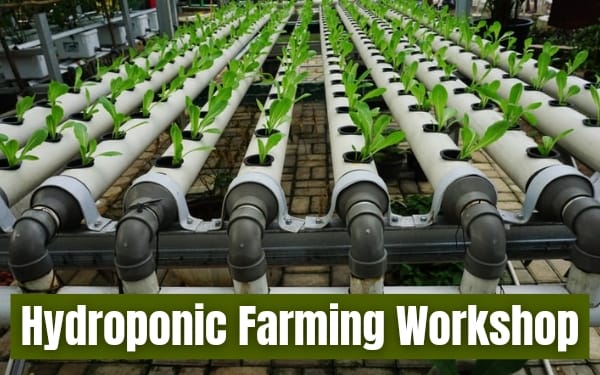
Hydroponic Farming Workshop 2024

Dive into the World of Soilless Farming: Join Our Hydroponic Workshop!

Are you someone who loves plants but feels limited by space or soil quality? Or maybe you’ve heard of hydroponics but don’t know where to start? 🌱 We’re excited to invite you to our Hydroponic Farming Workshop – a comprehensive, hands-on session designed to guide you through the basics of soilless gardening from the comfort of your home.

Hydroponics is more than just a gardening trend; it’s a sustainable farming method that can transform urban spaces into productive, green oases. From growing leafy greens in apartments to cultivating vibrant herbs on your balcony, hydroponics makes it all possible without soil. And now, with just a little guidance, you can harness this incredible technology yourself!


📅 Event Details

  • Date: November 24, 2024
  • Time: 7:00 PM – 8:30 PM (IST)
  • Location: Online (Google Meet – join from anywhere!)

🌿 What’s in Store for You?

This isn’t just a theoretical session; we’re packing it with practical insights, step-by-step guides, and real-world examples to kickstart your journey. Here’s a sneak peek at what you’ll learn:

  • Introduction to Hydroponics
    Understand the basics of hydroponics, its science, and why it’s revolutionizing urban farming.
  • Setting Up Your System
    We’ll guide you through setting up a basic system using accessible, easy-to-source materials, so you can start growing right away.
  • Choosing Crops & Troubleshooting Tips
    Learn which plants thrive in hydroponic systems and how to maintain optimal growth conditions, with pro tips for overcoming common challenges.

💰 Early Bird Offer (Limited Seats!)

To make this workshop accessible, we’re offering a special early bird discount:

  • With Certificate: ₹199
  • Without Certificate: ₹149

Note: Seats are filling up fast, so grab yours before the prices increase to ₹499 (with certificate) and ₹399 (without certificate) after the early bird period.


👩‍🌾 Who Will Benefit?

Whether you’re a student, a hobbyist, a budding urban gardener, or simply someone who wants to grow fresh produce sustainably, this workshop is for you! With practical knowledge and a certificate to boost your credentials, you’ll leave equipped to make a real impact.


✨ Why Attend?

Beyond the technical knowledge, this workshop is a chance to join a community of like-minded green enthusiasts. It’s a place to ask questions, share ideas, and get inspired. Plus, hydroponic farming skills are increasingly valuable in today’s world of sustainable agriculture.

Don’t miss this opportunity to learn, grow, and connect. 🌱 Secure your spot today!

🔗 Register Now: https://forms.gle/TvZjo26VvTpKLzfH7

India-Afghanistan Fellowship Scheme: A Gateway to Agricultural Education

The India-Afghanistan Fellowship Scheme is a transformative educational program designed to foster agricultural development in Afghanistan through human resource advancement. Initiated in 2010-11, the program started by offering 115 fellowships annually for Afghan students pursuing Master’s and Ph.D. degrees in Indian Agricultural Universities (AUs). Over the years, the fellowship scheme has expanded, offering more opportunities to Afghan students to advance their knowledge in agriculture and allied sciences.

Evolution of the Fellowship Program

In the academic year 2012-13, the fellowship program was revised to include 276 fellowships (154 for Bachelor’s, 61 for Master’s, and 61 for Ph.D. programs). This was further increased to 277 fellowships in 2013-14 and 61 fellowships exclusively for Master’s programs in 2014-15. These fellowships are specifically aimed at supporting the education of Afghan scientists, faculty members, and students in India.

The Indian Council of Agricultural Research (ICAR) plays a pivotal role in implementing this scheme. ICAR works with a network of 54 State Agricultural Universities, five Deemed-to-be Universities, four ICAR Institutes, one Central Agricultural University, and four Central Universities with agricultural faculties. These institutions are internationally recognized for their contribution to agricultural research and human resource development.

Why Indian Agricultural Universities?

India’s agricultural universities are strategically spread across the country, catering to various agro-climatic regions. These institutions are equipped with state-of-the-art laboratories, instructional farms, libraries, and computer laboratories. Additionally, they offer international student hostels, providing Afghan students with a comfortable and conducive learning environment.

Financial Support and Benefits

One of the key attractions of the India-Afghanistan Fellowship Scheme is the comprehensive financial support it offers to students at all levels:

Bachelor’s Degree: Students receive a monthly stipend of INR 12,000 for four years.

Master’s Degree: A monthly stipend of INR 12,000 for two years.

Ph.D. Programs: A monthly stipend of INR 15,000 for three years.

In addition to the stipends, the fellowship also covers essential expenses such as tuition fees, hostel fees, mess charges, medical expenses, and travel costs within India. A special research contingency grant of INR 6,000 per year for Master’s students and INR 10,000 per year for Ph.D. students is also provided.

Moreover, an annual bench fee of US $2,000 per candidate is paid to Indian universities, ensuring that Afghan students have access to top-quality research facilities.

Eligibility Criteria

To be eligible for the fellowship, Afghan candidates must meet certain educational and language requirements:

  1. Bachelor’s Degree Program: Candidates must have completed 10+2 with Physics, Chemistry, and Biology/Mathematics.
  2. Master’s Degree Program: Candidates must hold a four-year bachelor’s degree in agriculture or a related subject with a minimum Overall Grade Point Average (OGPA) of 5.50/10.
  3. Doctoral Program: Applicants must have a Master’s degree in the respective or related field with a minimum OGPA of 6.5/10.

Additionally, proficiency in English is mandatory for all programs.

Application Process

The application process for the fellowship is streamlined to ensure that deserving candidates can benefit from this program. Afghan students are required to apply through their government, which then nominates candidates for the fellowship. These nominations are sent through the Afghan Embassy to the Ministry of External Affairs (MEA), Govt. of India, which forwards the applications to the Department of Agricultural Research and Education (DARE) in India.

After a thorough eligibility check by the ICAR Education Division, the selected candidates are placed in identified Indian Agricultural Universities. It’s important to note that once admission is granted to a university, students cannot switch to another institution. However, they can express preferences during the application process, and the Screening Committee may consider these preferences based on seat availability.

Conclusion

The India-Afghanistan Fellowship Scheme is not just a fellowship program; it’s a vital link in building strong agricultural capacities in Afghanistan. With top-notch academic infrastructure, financial support, and a well-structured application process, this scheme offers Afghan students a unique opportunity to gain world-class education in Indian agricultural universities.

As Afghanistan continues to rebuild its agricultural sector, the India-Afghanistan Fellowship Scheme will play a crucial role in empowering future leaders and experts in the field, thereby contributing to the long-term development of the region.

Top 10 Plants that release oxygen at night

Top 10 Plants That Release Oxygen at Night

Plants are a vital part of our environment, providing us with oxygen and improving the air quality around us. Most plants release oxygen during the day through photosynthesis, but did you know that some plants continue to release oxygen even at night? These unique plants use a process called Crassulacean Acid Metabolism (CAM), which allows them to absorb carbon dioxide during the night and release oxygen. Here’s a list of the top 10 plants that can help purify the air in your home and boost oxygen levels even when the sun goes down.

Snake Plant (Sansevieria trifasciata)

The Snake Plant, also known as Mother-in-law’s Tongue, is a hardy indoor plant that not only releases oxygen at night but also filters out harmful toxins from the air. This low-maintenance plant is perfect for bedrooms, as it helps improve air quality while you sleep.

Aloe Vera

Aloe Vera is widely known for its medicinal properties, especially in treating burns and skin conditions. However, it also releases oxygen at night, making it a great addition to any home. Place it in your bedroom to help purify the air and improve your sleep quality.

Areca Palm (Dypsis lutescens)

The Areca Palm is a beautiful indoor plant that not only adds a tropical touch to your home but also releases oxygen at night. It’s one of the best air-purifying plants and is known to remove toxins like formaldehyde, xylene, and toluene from the air.

Tulsi (Ocimum sanctum)

Tulsi, also known as Holy Basil, is revered in Indian culture for its spiritual and medicinal properties. In addition to its many benefits, Tulsi is known to release oxygen at night, making it an excellent plant for indoor spaces.

Neem Tree (Azadirachta indica)

The Neem tree is another plant that continues to emit oxygen during the night. It is widely recognized for its medicinal properties and is often used in traditional Indian medicine. Planting a Neem tree in your garden or keeping a small version indoors can help improve air quality.

Orchids (Orchidaceae)

Orchids are beautiful and delicate flowering plants that are also known to release oxygen at night. They are a great choice for decorating your home while also purifying the air. Orchids are perfect for bedrooms and living spaces.

Christmas Cactus (Schlumbergera bridgesii)

The Christmas Cactus is a popular decorative plant that blooms around the holiday season. It also engages in CAM photosynthesis, meaning it releases oxygen during the night. This plant adds a touch of greenery to your home while improving air quality.

Peepal Tree (Ficus religiosa)

The Peepal tree, also known as the Sacred Fig, is famous in Indian culture and continues to release oxygen during the night. While it is usually planted outdoors, small indoor versions can also contribute to a healthier living environment.

Gerbera Daisy (Gerbera jamesonii)

Gerbera Daisies are vibrant and colorful flowers that release oxygen at night. These beautiful plants not only brighten up your space but also improve indoor air quality. They are often recommended for bedrooms to enhance sleep quality.

Spider Plant (Chlorophytum comosum)

The Spider Plant is another air-purifying plant that releases oxygen at night. It’s easy to care for and is known for its ability to remove toxins like formaldehyde and carbon monoxide from the air. The Spider Plant is a great addition to any room in your home.

Conclusion

Adding these oxygen-releasing plants to your home can have a positive impact on your indoor air quality, especially at night. Whether you’re looking to improve your sleep, enhance your living space, or simply enjoy the beauty of nature indoors, these plants are a great choice. Incorporating them into your home decor not only helps purify the air but also adds a touch of greenery and tranquility to your environment.

Who is AFO and What are Functions of AFO

Who is AFO & What are Functions of AFO

The agricultural sector plays a pivotal role in India’s economy, and the banking sector has a crucial part in supporting this industry. One key role within this synergy is that of the Agriculture Field Officer (AFO). But who exactly is an AFO, and what are their responsibilities?

In this blog post, we’ll delve into the role of an Agriculture Field Officer, their functions, and why they are essential in promoting agricultural growth and rural development.

Who is an Agriculture Field Officer (AFO)?

An Agriculture Field Officer (AFO) is a specialized banking professional responsible for promoting agricultural loans and ensuring the effective implementation of various agricultural financial schemes. AFOs typically work in public sector banks and serve as a vital link between the banking industry and the agricultural sector.

AFOs are instrumental in helping farmers and agribusinesses gain access to the financial resources they need to thrive. From processing loans to offering financial guidance, the responsibilities of an AFO are diverse and crucial for the rural economy.

Key Functions of an Agriculture Field Officer

  1. Promoting Agricultural Loans
    • AFOs are responsible for promoting and disbursing various agricultural loans such as crop loans, equipment loans, and livestock loans.
    • They identify eligible farmers and agribusinesses, ensuring they have access to the financial products that suit their needs.
  2. Loan Processing and Documentation
    • AFOs assist in processing loan applications, verifying documents, and assessing the creditworthiness of applicants.
    • They ensure compliance with banking regulations and play a key role in risk assessment.
  3. Field Visits and Inspections
    • A significant aspect of an AFO’s job involves conducting field visits to assess the agricultural activities of borrowers.
    • They monitor crop conditions, inspect farms, and ensure that the loans are being used as intended.
  4. Providing Financial Guidance
    • AFOs offer financial advice to farmers, helping them understand various banking products, loan options, and government schemes.
    • They guide farmers in optimizing their resources and improving their financial standing.
  5. Liaising with Government Agencies
    • AFOs coordinate with government agencies and departments involved in agriculture to ensure that farmers can benefit from government subsidies and schemes.
    • They play a crucial role in implementing government-sponsored agricultural programs.
  6. Recovery of Loans
    • AFOs are involved in the recovery process of loans, ensuring that borrowers repay their loans on time.
    • They follow up with borrowers, issue reminders, and take necessary actions in case of default.
  7. Market and Crop Analysis
    • AFOs analyze local agricultural markets, crop patterns, and trends, using this information to provide insights to both farmers and the bank.
    • This helps in decision-making related to lending and risk management.
  8. Customer Relationship Management
    • Building and maintaining strong relationships with farmers, agribusinesses, and rural communities is a key function of AFOs.
    • They act as a point of contact for farmers with the bank, ensuring their banking needs are met.
  9. Promoting Rural Development
    • AFOs contribute to rural development by encouraging the adoption of modern farming techniques and sustainable practices.
    • They organize workshops, training sessions, and awareness programs for farmers.
  10. Collaboration with Agri-Entrepreneurs
    • AFOs support agribusinesses, startups, and entrepreneurs by offering financial products tailored to their needs.
    • They assist in funding new agricultural ventures, boosting the rural economy.

Why Agriculture Field Officers are Important

The role of an Agriculture Field Officer is vital for several reasons:

  • Economic Growth: By facilitating access to credit, AFOs help increase agricultural productivity, thereby contributing to rural income and economic growth.
  • Risk Mitigation: AFOs help banks mitigate risks associated with agricultural lending by ensuring proper assessment, monitoring, and recovery of loans.
  • Rural Empowerment: AFOs contribute to the overall development of rural areas by promoting financial inclusion and supporting the agricultural sector.

Conclusion

In summary, the role of an Agriculture Field Officer (AFO) is critical in ensuring the smooth flow of financial resources to the agricultural sector. From promoting agricultural loans to guiding farmers through the complex world of banking, AFOs serve as the backbone of rural financial services.

By supporting farmers and agribusinesses, AFOs contribute to the growth of India’s agricultural economy and the overall development of rural areas. Their role is not just about lending money but about empowering the agricultural community to achieve greater heights.