GrowinAgri

Built a ₹1 Crore Avocado Business at the Age of 26

In Bhopal, Madhya Pradesh, a young and passionate farmer is redefining the future of Indian agriculture. Harshit Godha, a 26-year-old progressive farmer whose innovative approach to farming has led him to achieve an extraordinary turnover of ₹1 crore in just one year from a just 1000 square meter polyhouse.

A Journey Rooted in Passion and Global Inspiration

Harshit’s journey began far from the fields—he studied in the United Kingdom, where he developed a deep interest in health and fitness. This passion led him to discover the immense nutritional benefits of avocados, often referred to as butter fruit. Inspired by Israel’s advanced avocado farming techniques, Harshit decided to bring this global superfruit to Indian soil. He established a specialized avocado nursery in Bhopal in which he imported high-quality avocado plants directly from Israel.

The Business of Avocados: Riding the Health Wave

With the rising awareness around fitness and nutrition in the whole world, the demand for avocados in India is growing rapidly. Harshit believes this trend mirrors what has already happened in many Western countries, and he sees immense potential for avocado cultivation in India. “It’s just the beginning,” he shares, confident that Indian consumers will soon embrace avocados as a staple in their diets.

Science-Backed Cultivation: Quality is Key

Harshit emphasizes the importance of commercial rootstocks and high-quality plants to ensure better yields and long tree life. He shares that different varieties of avocado thrive under different climatic conditions:

  • Hass and Lamps: Suitable for temperatures between 5°C to 35°C
  • Pinkerton, Ettinger, and Reed: Ideal for regions where temperatures exceed 35°C

This scientific approach to cultivation sets Harshit apart, allowing him to grow avocados successfully in controlled polyhouse conditions.

Investment, Planting & Maintenance

On average, 160 to 170 plants can be grown in one acre of land. The cost of a single plant ranges between ₹3,000 to ₹50,000, depending on its quality. Drip irrigation is critical for avocado plants, especially in hotter regions where water needs are higher. Harshit advises maintaining a water pH of around 6.5 and TDS below 500 for optimal growth.

From Sapling to Fruit: Patience Pays

Avocado plants begin fruiting around three years after planting, with a spacing requirement of 3.5 meters by 7 meters between plants. The main recurring expenses include irrigation, fertilizers, labor, and electricity.

Profits and Projections

While the initial investment can be substantial—with fixed and running costs estimated at ₹1 lakh per acre—the returns can be rewarding. It may take five to six years to break even, but once the plants mature, a single acre can yield up to six tons of avocados. Green skin varieties can fetch at least ₹100 per kg, while black skin varieties like Hass can go up to ₹200 per kg, making avocado cultivation a highly profitable Business.

Challenges in Avocado Farming

Despite the promising returns, Harshit doesn’t shy away from discussing the risks. Issues like waterlogging and Phytophthora root rot can severely impact plant health. He stresses the importance of proper pest and disease management to ensure healthy growth and long-term success.

Harshit Godha’s story is a shining example of how young Indian farmers are leveraging global knowledge, scientific farming practices, and market trends to build sustainable and profitable agribusinesses. His ₹1 crore success from a 1000 sq. meter polyhouse proves that with the right mindset, innovation, and dedication, Indian agriculture has the potential to reach new heights.

Punjabi Siblings Successfully Run Indoor Saffron Farming

Saffron is the world’s most expensive spice and is traditionally grown in Iran which is responsible for the majority of global production. In India, the pristine valleys of Kashmir have long been synonymous with saffron cultivation. However, breaking geographical and agricultural barriers, a brother-sister duo from Punjab has successfully pioneered indoor saffron farming, using an innovative soil-less method known as the aero technique.

What is Aero Technique Saffron Farming?

This innovative method of growing saffron skips the soil and avoids wasting water. Instead, it relies on moisture from the air to nourish the plants. Using premium-quality Kashmiri saffron bulbs, a pair of siblings have mastered the art of growing saffron indoors in a carefully controlled environment. By mimicking the natural climate of Kashmir, they create the perfect setting for saffron to thrive—managing four essential factors with precision:

  • Light intensity (measured in lux)
  • Humidity
  • Carbon dioxide levels
  • Temperature

This smart approach not only conserves resources but also makes it possible to grow one of the world’s most precious spices all year round, far from the fields of Kashmir.

Setting Up the Indoor Saffron Farm

For anyone looking to explore this modern method of farming, the siblings suggest starting with a well-insulated room or even a container setup. If you’re using a metal structure, make sure the insulation is around 8 to 10 cm thick to help maintain the right temperature inside.

Here are the basic essentials you’ll need:

  • Training: Before jumping in, it’s important to get proper training. Understanding the saffron lifecycle and the technology behind it is key to success.
  • Room Setup: You’ll need good insulation, chillers to control temperature, and proper lighting to mimic natural conditions.
  • Seeds: Saffron bulbs (seeds) should be planted within 10 days of getting them. Keep them away from direct sunlight and excess heat.
  • Racks & Trays: These can be customized based on the space you have and your personal setup preferences.

Growth and Maintenance Cycle

Growing saffron indoors is a step-by-step process, with each stage needing just the right balance of temperature, humidity, and light. To create the perfect environment, moisture is carefully controlled using humidifiers or dehumidifiers, while CO₂ levels are managed through exhaust systems.

Light is especially important—it’s measured in lux, and getting it right can make all the difference. A combination of grow lights and colorful LED lights is used to support healthy plant development. Even the spacing between racks is planned to ensure every plant gets the right amount of light at every stage.

Germination to Harvest

  • Shoot Appearance: 15–20 days after planting.
  • Seed Size: Larger seeds result in better-quality flowers.
  • Harvesting: Involves careful separation of the saffron parts:
    • Red stigmas (saffron)
    • Yellow stem
    • Purple petals

Only the red stigmas are used for saffron, and lengths above 16mm are considered export quality. Approximately 100–110 flowers yield one gram of saffron.

Post-Harvest and Bulb Reuse

After flowering, bulbs are re-planted in specially prepared soil for seven months that allows them to absorb nutrients and multiply. The depth of planting varies based on bulb size.

Saffron typically begins fruiting around October 20th, after which it enters an exponential growth phase.

Costs and Economics

  • Initial Setup: ₹50–55 lakhs (includes seeds, insulation, chillers).
  • Monthly Electricity: Around ₹50,000.
  • Small-Scale Setup: Possible with ₹7–10 lakhs.
  • Selling Price: ₹800 per gram for high-quality Kashmiri saffron.
  • Subsidies: Currently, no government subsidies are available for indoor saffron farming.

Despite the capital investment, high demand and limited supply make saffron a lucrative venture. The siblings even receive international orders, proving the global appeal.

Ease of Operation

Automation systems and remote cameras allow for remote monitoring. The only significant threat is fungal infection, usually due to overwatering. However, this can be avoided with proper care and ventilation.

This inspiring story from Punjab proves that with innovation and dedication, traditional crops can be grown beyond their natural habitats. The siblings encourage others to seek guidance or partnerships to explore the growing opportunity in indoor saffron farming. For aspiring entrepreneurs, this model presents a scalable, high-value venture—one that bridges agriculture with modern technology.

Indoor Farming: Types, Advantages, Challenges, Market Potential

Indoor farming is known as vertical, horizontal, controlled environment, or urban farming. This is a new technique of farming in which maximum benefit is taken from the land. In this farming, success is achieved through a controlled environment inside the building structure, such as a greenhouse, warehouse, basement, or unused industrial building.

Large equipment like tractors or combines is not used in indoor farming. The need for water, fertilizers, and other inputs is also less as compared to traditional farming. Doing this farming on a large scale is more profitable. New equipment like cameras and software is used in this farming. In this farming, we grow onions, green leafy vegetables, microgreens, potatoes, tomatoes, etc.

Types of indoor farming businesses

  1. Hydroponic Farming: The word hydroponic is derived from the Greek language. It is made up of two words: “hydro,” which means “water,” and “ponein,” which means “to labor, work, or toil.” In this technique of agriculture, soil is not required for the cultivation of plants. The nutrients required for the growth of plants are mixed in water to make a solution and supplied through rockwool. Through this farming, farmers are able to provide fresh food 365 days a year.
  2. Aeroponic farming: This is a technique of growing plants without soil. The roots of the plant are hung in the air and irrigated with a solution of nutrient-rich water through mist. In hydroponics, the roots remain immersed in water; hence, it is completely different from it.
  3. Aquaponics Farming: Aquaponics is a method in which fish as well as plants are grown without soil. Fish waste contains beneficial bacteria, which convert it into essential nutrients for the plants, and the plants filter and purify the wastewater to create a proper environment for the fish to live. This method consumes less water and fertilizers than traditional farming.
  4. Vertical Farming: It is a type of farming technique in which farmers grow plants in vertical, stacked layers indoors without soil. Green leafy vegetables are usually grown in this farming. Plants are grown through a controlled environment such as light, temperature, humidity, and nutrients. You will be surprised to know that this farming uses 98% less water, 90% less light energy, and up to 85% less nutrients than traditional farming.
  5. Controlled environment farming: In this technique, crops are grown by creating optimal conditions by carefully controlling the proper environment, such as temperature, humidity, light, and CO2 levels. Farmers grow crops in protected structures such as greenhouses.
  6. Container farming: It is a method of growing crops in shipping containers using climate control and artificial light. It is a form of vertical farming.

Advantages of Indoor Farming

  • Land is used efficiently.
  • It provides the ability to produce seasonal food grains throughout the year.
  • Production is not affected due to the absence of adverse conditions.
  • Input costs are lower than traditional farming.
  • It helps in making agriculture a sustainable practice.

Challenges in indoor farming

  • Initial cost: Marketing, lighting, electricity, and growing equipment cost a lot to start indoor farming. Loan repayment and land rent are also very high.
  • Lighting Complexity: Indoor farming has been expanding rapidly over the past several years due to the falling prices of light-emitting diodes (LED). Both LED lights and fluorescent lights give the same amount of light energy. But LED lights require half the amount of energy compared to fluorescent lights. Research was conducted by the Philips company in the year 2015, which found that plants respond differently to different spectrums of light and color at different points of their growth cycle. LED lights are unable to mimic sunlight.
  • Skilled workers: Indoor farming requires skilled and experienced workers to monitor the crops. Farmers face difficulties in finding skilled workers.
  • Limited crop variety: The crop range of indoor farming is limited as compared to traditional farming. In the field, we can grow many types of crops like rice, soybean, wheat, corn, etc., but in indoor farming we can only grow green leafy vegetables, herbs, and small fruits. While chilies, tomatoes, and cucumbers are grown in greenhouses.
  • Consumer acceptance and market awareness: Vegetables grown in indoor farming are less preferred by consumers. They still prefer vegetables grown using traditional methods. Certification and branding are necessary to attract their attention so that they can trust the products of indoor farming.

Market potential and growth opportunities in India

Market potential

    • Global: The global indoor farming market size was US$40.51 billion in 2023. It is projected to reach US$118.17 billion by 2033, growing at a compound annual rate (CAGR) of 11.3%.
    • In India: The market size was US$0.823 billion in 2022; it is projected to reach US$1.740 billion by 2029, growing at a compound annual rate (CAGR) of 11.29%.

    Growth opportunities

      Indoor farming is a sustainable practice that is being molded as advanced agriculture through AI. Its growth can be seen day by day in urban areas. People are becoming conscious about their health. Indoor farming gives many times more production in less space than flat land. This farming requires less water and fertilizer.

      Conclusion

      Indoor farming is a sustainable farming method. Indoor farming is the solution to challenges like land scarcity, food security, and climate change, which is revolutionizing the fields of agriculture. Farmers can earn good money by starting their own startup with high investment and government support.

      ₹75-₹80 lakhs from Red Gold

      Saffron is “Red Gold.” It is one of the most valuable spices in the world. When you think of growing saffron, Kashmir comes to your mind, but if I say that it is being grown in Madhya Pradesh, then perhaps you will be a little surprised. Let’s find out how.

      How is this possible in Madhya Pradesh?

      In Madhya Pradesh, saffron is grown in a controlled environment where external climate challenges do not play a major role. In that place, an individual who is not from a farming background grows saffron worth ₹5 lakh per kilogram in a room without soil, water, sunlight, or vast fields.

      Who’s Behind this Innovation

      Anil Jaiswal is the visionary behind this indoor saffron farming, and he has over 35 years of experience in various industries. While he is not a conventional farmer, his deep-rooted connection to agriculture and inspiration from Kashmiri saffron fields led him to explore this innovative farming technique.

      His Objectives Include

      • Educating traditional farmers about advanced farming techniques.
      • Encouraging the new generation to engage with farming.
      • Promoting women’s participation in agriculture through modern methods.
      • Demonstrating that farming can be conducted in small, confined spaces.

      Space and Yield Efficiency

      His indoor saffron farm operates in just a 320-square-foot area, and he takes 700 kg of saffron bulbs from that. Now you are thinking about how this is possible. In this, vertical farming played a major role. This technology maximizes space efficiency.

      Bulb Multiplication: A Key to Expansion

      Bulb multiplication can also be done in a regular room without the need for strict temperature control. It just requires a special compost mix and an optimum light intensity of 2000-3000 lux. There should be 12 hours of light daily to ensure proper growth. After April, the bulbs are stored to prepare for the next cycle.

      Harvesting and Quality Testing

      When we harvest saffron, we make sure the flower produces three saffron stigmas. Then we harvest the saffron, and after that, it is carefully dried and stored in airtight containers. But quality testing plays a major role after harvest. For that, we use the water test because genuine saffron releases a golden color in water.

      Market Potential and Investment

      The main part of this article is here. When we go for this type of farming, we must ensure how we can invest in it. The initial investment of Anil Jaiswal was ₹6.5 lakh for the setup and ₹7 to ₹8 lakh for saffron bulbs. We expect an ROI in two years. India has a big market for this because India requires 60 metric tons of saffron annually but produces only 20 metric tons. Saffron has applications in medicine, cosmetics, and the food industry. Farmers can sell saffron through online platforms, Ayurvedic companies, and even personal branding.

      Output and Revenue

      The 320 sq. ft. setup produced 1.6 kg of saffron in 2024, and the market price for organic saffron starts at ₹5 lakh per kg. The estimated revenue from this setup is ₹75 to ₹80 lakh. When you enter the international market then you can get a premium price for it because international prices range from ₹8.5 lakh to ₹18-₹20 lakh per kg.

      Anil Jaiswal emphasizes the importance of patience and continuous effort in making indoor saffron farming a success. Indoor saffron farming presents a lucrative, sustainable, and scalable opportunity for aspiring farmers, entrepreneurs, and agribusiness enthusiasts. Whether you’re an experienced farmer or a complete beginner, this innovation offers a gateway to high-income farming with minimal land requirements. With growing demand, high profitability, and the ability to cultivate saffron in small indoor spaces, this method is set to revolutionize Indian agriculture.

      Would you consider venturing into indoor saffron farming? Let us know in the comments below!

      $20M+ Funding Boost: Vestaron Gears Up for Bioinsecticide Breakthroughs

      Vestaron has successfully closed an oversubscribed funding round exceeding $20 million. Vestaron is leader in peptide-based bioinsecticide development. This new capital will drive the company’s expansion in North America and Europe while accelerating the commercialization of its innovative crop protection solutions.

      Key Highlights

      • Vestaron secures over $20 million in funding to accelerate commercialization and expansion.
      • The company is focusing on North America and Europe, leveraging new regulatory approvals.
      • BASIN™, Vestaron’s second peptide-based active ingredient, has been approved in the U.S. and Mexico.
      • Strategic partnerships, including a production agreement with ADM, enhance scalability and cost efficiency.
      • Investors show strong confidence in Vestaron’s leadership and commitment to sustainable agriculture.

      Commercialization and Global Growth

      BASIN™ Set for Full Launch in 2025

      Vestaron anticipates that by the end of 2025, it will receive full regulatory approvals and commercially launch BASIN™, This is second active ingredient. This addition will complement the company’s existing SPEAR® product line, providing farmers with more tools to combat pest resistance sustainably.

      The company is also exploring further market entry opportunities beyond North America and Europe, reinforcing its commitment to addressing global agricultural challenges.

      Greenlight Biosciences Secures $25M in Series C Funding to Drive Sustainable Agriculture

      Greenlight Biosciences recently closed its Series C Funding round $25 Million from just Climate and other investors. Company has taken another major Make rapid progress in transforming the agricultural industry with sustainable solutions. This investment will help in accelerate the commercialization of RNA-based agricultural BioSolutions.

      Innovation of Greenlight Biosciences in Crop Protection

      One of GreenLight Bio’s most effective innovation is the development and commercialization of Calantha™, the first-ever RNA-based crop protection spray. It offers an innovative alternative to conventional chemical pesticides to potato growers- delivering comparable efficacy while ensuring enhanced environmental safety. This is a Important shift in sustainable farming practices. Calantha™ registered in both the United States and Ukraine

      Expanding the GreenLight Product Portfolio

      With the newly secured funding, It company is focusing on scaling up its product portfolio. In that two key developments include:

      • Norroa™ – This is a revolutionary RNA solution targeting varroa mites in honeybee colonies. With U.S. registration pending, Norroa™ holds immense promise in tackling the alarming decline of pollinator populations.
      • Fortivance™ – It is a next-generation adjuvant designed to boost agricultural treatment performance while minimizing environmental impact.

      According to the Honey Bee Health Coalition, U.S. beekeepers have reported honeybee colony losses averaging 62% between June 2024 and February 2025—underscoring the urgent need for solutions like Norroa™.

      A Vision for a Greener Future

      With the latest funding round, Greenlight Biosciences is poised to lead the way in sustainable agriculture, delivering innovative solutions that protect crops, pollinators, and the planet. As the company continues to pioneer RNA-based advancements, the future of farming looks greener than ever.

      Ex-Software Engineer Earns ₹4 Lakh from Saffron Farming in a Shipping Container!

      Saffron, one of the most expensive spices in the world, which is also called the “gold crop”, is now being grown in the streets of Pune city. Amidst the hustle and bustle of Pune city and the noise of traffic, saffron is being cultivated without soil in a simple-looking container. This is a living example of the advanced farming happening in India.

      Shailesh: Journey from code to container!

      Shailesh Modak, who was once a software engineer, made a unique beginning in the field of agriculture in the year 2018. First, he gained experience from businesses like beekeeping and import-export. After this, he got the idea of growing “saffron”, one of the most expensive spices in the world, in a controlled environment. With the help of one of his doctor friends, he started soil-less cultivation in a simple-looking container.

      Container becomes mini Kashmir

      Shailesh Modak converted an 8×40 feet iron container into his farm. This was no ordinary farm – in fact, it had no soil, no cocopit, no sunlight and no hydroponic technique. He brought 600 kg of corm/bulb from Pampore (Kashmir) and placed 500 kg of corm/bulb in a tray. The red-blue LED became the sun, generated the cold of Kashmir with the help of a chiller and controlled everything with automation. This small Pampore of Kashmir was ready.

      Tiny purple flowers: More expensive than gold!

      The bulbs were placed vertically, which saved more space in the container. In the season of September-October, 1 to 3 tiny purple flowers come out of each bulb, which costs ₹500-₹700 per gram.

      Saffron blooms with technology

      Red and blue LEDs supplement the sunlight, which helps in photosynthesis. Carbon dioxide control and humidity equipment help in balancing the air. With the help of the chiller system and air conditioning, the temperature is maintained between 15°C and 25°C, which is required for saffron. They have used motion cameras, which send messages on Shailendra’s phone about the status of the container.

      Cost and Profit: Economics of Container Farming!

      He said that the cost of setting up this setup was 9 lakhs, out of which 6 lakhs were spent on buying bulbs. But he was successful in getting more than 870 grams of saffron from 500 kg bulbs. In one harvest, he sold saffron worth more than 4 lakhs through B2B. He also said that from one corm, he can get continuous production for 7-8 years.

      Saag with saffron: multipurpose farming!

      Modak ji is not limited to saffron only. He is also growing leafy vegetables like Lollo Rosso. In which he saves up to 95% water as compared to traditional farming. 4000 plants consume only 40 litres of water per day. For nutrients, he installed a recycling tank, which is reused.

      Shailesh says that if the temperature and humidity are not maintained properly, the flowers do not bloom properly or wither.

      Darker than Kashmiri: Pune’s saffron!

      His saffron is darker than Kashmiri saffron. When put in water, it does not release colour immediately but releases it slowly. Its taste is bitter, and the fragrance is very strong.

      Keeping pace with the environment: container farming!

      Shailesh’s container farming not only solves the problem of space, but it is also environmentally friendly. In this, more production can be taken in less space, with less water, and in a controlled environment. Keeping in mind the changing weather, this is the future of farming. High-value plants are planted in it, and more and more profits can be earned.

      This Desi Cow Farm Makes ₹1 Lakhs/Day

      Imagine waking up to the fresh aroma of desi cow milk, delivered straight from the farm to your doorstep—untouched by middlemen, packed with nutrition, and rich in tradition. This isn’t just a dream but a reality for a successful Indian dairy farm that has cracked the code for profitable and sustainable dairy farming.

      This farm, home to 200+ desi cows, isn’t just about milk production; it’s a story of passion, innovation, and a deep respect for India’s native cattle breeds. Let’s take a closer look at how this farm thrives and what makes it stand out in the dairy industry.

      Why Desi Cows? More Than Just Milk

      Not all milk is the same, and this farm understands that well. Instead of opting for foreign breeds, they focus on four robust Indian breeds—Raathi, Sahiwal, Khillar, and Gir. Why? Because desi cows offer unique advantages: A2 Protein-Rich Milk – Easier to digest and packed with health benefits. Naturally Disease-Resistant – Lower medical costs and stronger immunity. Adapted to Indian Conditions – Low maintenance and high productivity. With these cows, the farm produces 1,000 liters of milk daily, sold directly to customers at ₹99 per liter. No middlemen, no dilution—just pure, farm-fresh goodness.

      Behind the Scenes: A Day on the Farm

      Ever wondered what goes into running such a large-scale dairy farm? Let’s walk through a typical day.

      Morning Routine

      Cows wake up to a balanced diet of Total Mixed Ration (TMR), ensuring they get all the essential nutrients. The automated milking system gets to work, milking 12 cows every 5 minutes, ensuring hygiene and efficiency.

      Comfort & Care

      The cows enjoy massage rollers (yes, you read that right!) to keep them stress-free. Salt licks are provided to boost their mineral intake and overall health. A well-ventilated, spacious environment keeps them happy and productive.

      Strict Hygiene Standards

      The farm follows rigorous cleanliness protocols to prevent diseases. RO-purified drinking water ensures optimal health for the cows. It’s a farm where science meets tradition, ensuring the cows are not just productive but also well cared for.

      The Business Model: How This Farm Makes ₹1 Lakh/Day

      Unlike conventional dairy farms that rely on bulk sales to big dairy companies, this farm follows a farm-to-home model. Direct Sales = Higher Profits – By delivering fresh milk straight to customers, the farm eliminates middlemen, keeping profits within the business. Beyond Just Milk – The farm also sells dahi (yogurt), paneer, and ghee, adding more revenue streams. Smart Marketing – They use their own mobile app and social media to connect with customers and take orders. The result? A daily income of ₹1 lakh—proving that a well-planned dairy farm can be highly profitable.

      Lessons from This Success Story

      What can aspiring dairy farmers learn from this model? Here are some key takeaways: Focus on Native Breeds – Desi cows are healthier, more resilient, and produce premium-quality milk. Quality Over Quantity – A well-maintained, happy cow gives better milk. Go Direct-to-Consumer – Cut out middlemen and create a loyal customer base. Use Technology – Automate milking, track sales, and market digitally. Market Research is Key – Know your audience before starting a dairy business.

      Final Thoughts: Is This the Future of Dairy Farming?

      This farm is proving that traditional dairy farming, when done right, can be both profitable and sustainable. By focusing on quality, customer trust, and innovation, they have created a blueprint for modern dairy success. Could this be the future of dairy farming in India? If more farmers adopt this model, we could see a revolution in how milk is produced and consumed. Would you buy milk directly from a farm like this? Let us know in the comments!

      How Different Countries Eat Mangoes: A Cultural Journey Through Mango Delights

      Mango—the “king of fruits”—is cherished worldwide. From sweet desserts to spicy salads, different cultures have found unique ways to enjoy this tropical fruit. In this edition of “How the World Eats,” let’s explore how different countries incorporate mangoes into their cuisine.

      Mango Delights Around the World: Quick Overview

      🌍 Country🥭 Popular Mango Dishes
      🇮🇳 IndiaAamras & Puri, Mango Lassi, Mango Pickle
      🇹🇭 ThailandMango Sticky Rice, Green Mango Salad
      🇲🇽 MexicoTajin Mango, Mango Chamoyada
      🇵🇭 PhilippinesMango Float, Dried Mangoes
      🇧🇷 BrazilMango Mousse, Fresh Mango as Street Food
      🌍 Africa (Nigeria/Ghana)Mango with Groundnuts, Mango Smoothies & Juice

      🇮🇳 India: A Celebration of Sweetness and Spice

      India, one of the largest producers of mangoes, celebrates this fruit in countless ways.

      🥭 Aamras & Puri – A smooth mango puree served with deep-fried bread (puri), enjoyed as a summer delicacy.
      🥤 Mango Lassi – A creamy and refreshing yogurt-based mango drink, perfect for cooling off in hot weather.
      🌶 Raw Mango Pickle (Achar) – Raw mangoes are pickled with mustard seeds, chili, and spices, creating a tangy and spicy accompaniment to meals.

      🇹🇭 Thailand: Balancing Sweet and Savory

      Thai cuisine is known for its balance of sweet, sour, spicy, and salty flavors, and mangoes are no exception.

      🍚 Mango Sticky Rice (Khao Niew Mamuang) – A beloved dessert where sweet mango is paired with glutinous rice and drizzled with coconut milk.
      🥗 Green Mango Salad (Som Tum Mamuang) – A refreshing, spicy salad featuring unripe mango slices mixed with fish sauce, chili, and lime juice.

      🇲🇽 Mexico: A Spicy Mango Adventure

      In Mexico, mangoes are often eaten with a spicy and tangy twist.

      🌶 Tajin Mango – Fresh mango slices sprinkled with Tajín, a chili-lime seasoning that enhances the fruit’s natural sweetness.
      🍹 Mango Chamoyada – A frozen mango slush mixed with chamoy, a tangy, spicy sauce, and topped with tamarind candy for an extra burst of flavor.

      🇵🇭 Philippines: Mango Lover’s Paradise

      The Philippines is home to some of the sweetest mangoes in the world. No surprise that they are a staple in many Filipino dishes!

      🍰 Mango Float – A no-bake layered dessert made with graham crackers, whipped cream, and ripe mango slices.
      🥭 Dried Mangoes – A chewy, naturally sweet snack that has become one of the country’s most popular exports.

      🇧🇷 Brazil: Fresh and Fruity Delights

      Brazil enjoys mangoes in their simplest and most natural form, often incorporating them into desserts and juices.

      🍮 Mango Mousse (Mousse de Manga) – A smooth and creamy mango-flavored dessert, often served chilled.
      🍽 Fresh Mango as Street Food – Mangoes are commonly sold peeled and sliced on the streets, allowing people to enjoy their natural sweetness.

      🌍 Africa (Nigeria/Ghana): Simple and Nutritious

      In parts of Africa, mangoes are a seasonal delight enjoyed in both traditional and modern ways.

      🥜 Mango with Groundnuts – A simple yet delicious snack where ripe mangoes are paired with crunchy groundnuts (peanuts).
      🥤 Mango Smoothies & Juice – Fresh mangoes are blended into refreshing drinks, offering a nutritious and hydrating option in hot climates.

      Mangoes: A Universal Love Language

      No matter where you go, mangoes bring joy and flavor to cultures worldwide. Whether eaten raw, blended into drinks, or used in savory dishes, this fruit unites people across borders.

      👉 Which country’s mango dish would you love to try first? Share your thoughts in the comments below!

      6th Pass Woman Earns ₹2 Lakhs Per Month

      6th Pass Woman Earns ₹2 Lakhs Per Month

      Yogeshwari Dewangan, only a 6th-grade pass-out lady, makes 2 lakhs per month. The answer is simple: it is a testament to hard work, perseverance, and the power of dreams. She started a venture in Chhattisgarh in her hometown with a poultry farm. She began in December 2019 with Kadaknath chickens, and now she has grown a full-fledged poultry farm, housing Sonali, quail, guinea fowl, and turkeys.

      Building a Strong Foundation

      Her farm is on 50 decimals of land, and she and her husband invested approximately 18 to 20 lakh rupees in that farm. That indicates her confidence and dedication to her farm. She and her husband built two sheds for birds, each 120 feet long and 35 feet wide.

      Balancing Family and Farm Life

      Raising 3,000 to 3,500 birds is not a small thing, but she takes it in stride. She takes the help of her husband and two other workers. She balances her household work and farm work. She wakes up early in the morning, completes her housework, and then works at her farm. Her hard work and passion keep her going.

      More Than Just a Business

      She runs a hatchery with a capacity of 10,000 chicks, which is expanding to 30,000 chicks. She offers four free eggs to new mothers in her community, which indicates her true entrepreneurial mindset and emphasizes the importance of nutrition. Her business thrives on selling eggs and chicks, and she focuses on building connections across India.

      Caring for Her Feathered Family

      She is passionate about the Sonali breed, which is seen in her speech. Sonali breeds are mostly known for their appearance and high meat quality. Sonali bird lays about 210 to 220 eggs per year, which contributes to the farm’s steady production. Yogeshwari ensures they receive clean water and two well-balanced meals in a day. The care she provides reflects in the health of birds.

      She Understood the Power of Social Media

      When she started her farm, she took her chicks to local markets. But after some time, she realized the power of social media and began connecting with a larger audience. Now, she works with women’s groups, encouraging them to explore poultry farming.

      Her sales numbers speak for themselves:

      • She sold 14,000 to 15,000 chicks every month across Odisha, Jharkhand, Uttar Pradesh, Madhya Pradesh, and Chhattisgarh.
      • She sold 10-15 kg of fresh meat daily.
      • She sold 2,000-2,500 quails per month.

      Yogeshwari’s dedication to poultry farming has turned her farm into a business earning up to 2 lakh per month. That proves her passion and persistence can lead to incredible financial independence.

      Words of Wisdom for Aspiring Entrepreneurs

      “Starting Small and Dreaming Big” is the only thing Yogeshwari’s family believes in. She advises poultry farmers to start with a modest investment and scale up their operations and always focus on quality and care. Her journey is proof, success is achievable if work with patience, dedication, and a strong work ethic.

      The Road Ahead

      Yogeshwari’s journey from a household lady to a respected entrepreneur is nothing short of inspiring. Her story serves as a beacon of hope for many people. Her story also shows that you cannot succeed just by studying in expensive colleges; unless you work hard and do something with passion, growth is possible no matter where you start.

      What Your Thought, Comment below!

      How Moringa Farming Increase Farmer's Income

      How Moringa Farming Increase Farmer’s Income

      Moringa is a superfood, which indicates it is packed with multiple nutrients like; essential vitamins, minerals, antioxidants, and proteins. Which is a good thing, not only for consumers but farmers as well. Because when it has multiple nutrients then consumers buy it and farmers sell, so it is good for both.

      Why Moringa Farming?

      Moringa farming is growing because of its low investment and high returns. It has the quality of drought resistance and adaptation to various climates. It is a fast-growing crop with multiple harvests per year, making it a good choice for farmers.

      Economic Benefits of Moringa Farming

      It has many economic benefits, such as:

      High Market Demand

      There is a growing demand for moringa leaves, powder, oil, and seeds. It also has export potential to foreign markets like the USA, European countries, and African countries.

      Multiple Revenue Streams

      The best thing about Moringa is that it can be sold fresh and dried. We can sell it in local markets, and we can sell its powder, tea, and capsules directly to consumers. We can also sell its oil to the cosmetic and medical industries.

      Value Addition for Increased Profitability

      Value addition is the best option for increasing the price of any crop or product. We can take simple steps for value addition and make more profits. For example, we can process it into powder, capsules, or tea. After this, we can package it and sell it in national and international markets. We can also obtain organic certifications for premium pricing.

      Challenges and Solutions in Moringa Farming

      Some challenges we may face in Moringa farming include market access and problems in processing. However, we can overcome these situations through good market research, patience, and some financial backing.

      Conclusion

      From this article, we can say that Moringa farming is the best money-making opportunity for farmers. If young farmers enter this sector, they should bring innovative methods and give this farming a new direction.
      What do you think about it? Comment below…

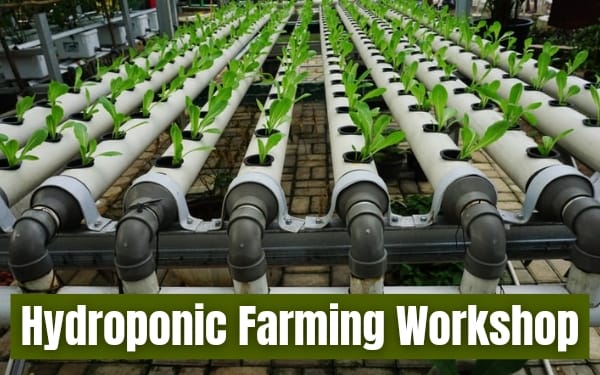
      Hydroponic Farming Workshop 2024

      Dive into the World of Soilless Farming: Join Our Hydroponic Workshop!

      Are you someone who loves plants but feels limited by space or soil quality? Or maybe you’ve heard of hydroponics but don’t know where to start? 🌱 We’re excited to invite you to our Hydroponic Farming Workshop – a comprehensive, hands-on session designed to guide you through the basics of soilless gardening from the comfort of your home.

      Hydroponics is more than just a gardening trend; it’s a sustainable farming method that can transform urban spaces into productive, green oases. From growing leafy greens in apartments to cultivating vibrant herbs on your balcony, hydroponics makes it all possible without soil. And now, with just a little guidance, you can harness this incredible technology yourself!


      📅 Event Details

      • Date: November 24, 2024
      • Time: 7:00 PM – 8:30 PM (IST)
      • Location: Online (Google Meet – join from anywhere!)

      🌿 What’s in Store for You?

      This isn’t just a theoretical session; we’re packing it with practical insights, step-by-step guides, and real-world examples to kickstart your journey. Here’s a sneak peek at what you’ll learn:

      • Introduction to Hydroponics
        Understand the basics of hydroponics, its science, and why it’s revolutionizing urban farming.
      • Setting Up Your System
        We’ll guide you through setting up a basic system using accessible, easy-to-source materials, so you can start growing right away.
      • Choosing Crops & Troubleshooting Tips
        Learn which plants thrive in hydroponic systems and how to maintain optimal growth conditions, with pro tips for overcoming common challenges.

      💰 Early Bird Offer (Limited Seats!)

      To make this workshop accessible, we’re offering a special early bird discount:

      • With Certificate: ₹199
      • Without Certificate: ₹149

      Note: Seats are filling up fast, so grab yours before the prices increase to ₹499 (with certificate) and ₹399 (without certificate) after the early bird period.


      👩‍🌾 Who Will Benefit?

      Whether you’re a student, a hobbyist, a budding urban gardener, or simply someone who wants to grow fresh produce sustainably, this workshop is for you! With practical knowledge and a certificate to boost your credentials, you’ll leave equipped to make a real impact.


      ✨ Why Attend?

      Beyond the technical knowledge, this workshop is a chance to join a community of like-minded green enthusiasts. It’s a place to ask questions, share ideas, and get inspired. Plus, hydroponic farming skills are increasingly valuable in today’s world of sustainable agriculture.

      Don’t miss this opportunity to learn, grow, and connect. 🌱 Secure your spot today!

      🔗 Register Now: https://forms.gle/TvZjo26VvTpKLzfH7

      India-Afghanistan Fellowship Scheme: A Gateway to Agricultural Education

      The India-Afghanistan Fellowship Scheme is a transformative educational program designed to foster agricultural development in Afghanistan through human resource advancement. Initiated in 2010-11, the program started by offering 115 fellowships annually for Afghan students pursuing Master’s and Ph.D. degrees in Indian Agricultural Universities (AUs). Over the years, the fellowship scheme has expanded, offering more opportunities to Afghan students to advance their knowledge in agriculture and allied sciences.

      Evolution of the Fellowship Program

      In the academic year 2012-13, the fellowship program was revised to include 276 fellowships (154 for Bachelor’s, 61 for Master’s, and 61 for Ph.D. programs). This was further increased to 277 fellowships in 2013-14 and 61 fellowships exclusively for Master’s programs in 2014-15. These fellowships are specifically aimed at supporting the education of Afghan scientists, faculty members, and students in India.

      The Indian Council of Agricultural Research (ICAR) plays a pivotal role in implementing this scheme. ICAR works with a network of 54 State Agricultural Universities, five Deemed-to-be Universities, four ICAR Institutes, one Central Agricultural University, and four Central Universities with agricultural faculties. These institutions are internationally recognized for their contribution to agricultural research and human resource development.

      Why Indian Agricultural Universities?

      India’s agricultural universities are strategically spread across the country, catering to various agro-climatic regions. These institutions are equipped with state-of-the-art laboratories, instructional farms, libraries, and computer laboratories. Additionally, they offer international student hostels, providing Afghan students with a comfortable and conducive learning environment.

      Financial Support and Benefits

      One of the key attractions of the India-Afghanistan Fellowship Scheme is the comprehensive financial support it offers to students at all levels:

      Bachelor’s Degree: Students receive a monthly stipend of INR 12,000 for four years.

      Master’s Degree: A monthly stipend of INR 12,000 for two years.

      Ph.D. Programs: A monthly stipend of INR 15,000 for three years.

      In addition to the stipends, the fellowship also covers essential expenses such as tuition fees, hostel fees, mess charges, medical expenses, and travel costs within India. A special research contingency grant of INR 6,000 per year for Master’s students and INR 10,000 per year for Ph.D. students is also provided.

      Moreover, an annual bench fee of US $2,000 per candidate is paid to Indian universities, ensuring that Afghan students have access to top-quality research facilities.

      Eligibility Criteria

      To be eligible for the fellowship, Afghan candidates must meet certain educational and language requirements:

      1. Bachelor’s Degree Program: Candidates must have completed 10+2 with Physics, Chemistry, and Biology/Mathematics.
      2. Master’s Degree Program: Candidates must hold a four-year bachelor’s degree in agriculture or a related subject with a minimum Overall Grade Point Average (OGPA) of 5.50/10.
      3. Doctoral Program: Applicants must have a Master’s degree in the respective or related field with a minimum OGPA of 6.5/10.

      Additionally, proficiency in English is mandatory for all programs.

      Application Process

      The application process for the fellowship is streamlined to ensure that deserving candidates can benefit from this program. Afghan students are required to apply through their government, which then nominates candidates for the fellowship. These nominations are sent through the Afghan Embassy to the Ministry of External Affairs (MEA), Govt. of India, which forwards the applications to the Department of Agricultural Research and Education (DARE) in India.

      After a thorough eligibility check by the ICAR Education Division, the selected candidates are placed in identified Indian Agricultural Universities. It’s important to note that once admission is granted to a university, students cannot switch to another institution. However, they can express preferences during the application process, and the Screening Committee may consider these preferences based on seat availability.

      Conclusion

      The India-Afghanistan Fellowship Scheme is not just a fellowship program; it’s a vital link in building strong agricultural capacities in Afghanistan. With top-notch academic infrastructure, financial support, and a well-structured application process, this scheme offers Afghan students a unique opportunity to gain world-class education in Indian agricultural universities.

      As Afghanistan continues to rebuild its agricultural sector, the India-Afghanistan Fellowship Scheme will play a crucial role in empowering future leaders and experts in the field, thereby contributing to the long-term development of the region.

      Top 10 Plants that release oxygen at night

      Top 10 Plants That Release Oxygen at Night

      Plants are a vital part of our environment, providing us with oxygen and improving the air quality around us. Most plants release oxygen during the day through photosynthesis, but did you know that some plants continue to release oxygen even at night? These unique plants use a process called Crassulacean Acid Metabolism (CAM), which allows them to absorb carbon dioxide during the night and release oxygen. Here’s a list of the top 10 plants that can help purify the air in your home and boost oxygen levels even when the sun goes down.

      Snake Plant (Sansevieria trifasciata)

      The Snake Plant, also known as Mother-in-law’s Tongue, is a hardy indoor plant that not only releases oxygen at night but also filters out harmful toxins from the air. This low-maintenance plant is perfect for bedrooms, as it helps improve air quality while you sleep.

      Aloe Vera

      Aloe Vera is widely known for its medicinal properties, especially in treating burns and skin conditions. However, it also releases oxygen at night, making it a great addition to any home. Place it in your bedroom to help purify the air and improve your sleep quality.

      Areca Palm (Dypsis lutescens)

      The Areca Palm is a beautiful indoor plant that not only adds a tropical touch to your home but also releases oxygen at night. It’s one of the best air-purifying plants and is known to remove toxins like formaldehyde, xylene, and toluene from the air.

      Tulsi (Ocimum sanctum)

      Tulsi, also known as Holy Basil, is revered in Indian culture for its spiritual and medicinal properties. In addition to its many benefits, Tulsi is known to release oxygen at night, making it an excellent plant for indoor spaces.

      Neem Tree (Azadirachta indica)

      The Neem tree is another plant that continues to emit oxygen during the night. It is widely recognized for its medicinal properties and is often used in traditional Indian medicine. Planting a Neem tree in your garden or keeping a small version indoors can help improve air quality.

      Orchids (Orchidaceae)

      Orchids are beautiful and delicate flowering plants that are also known to release oxygen at night. They are a great choice for decorating your home while also purifying the air. Orchids are perfect for bedrooms and living spaces.

      Christmas Cactus (Schlumbergera bridgesii)

      The Christmas Cactus is a popular decorative plant that blooms around the holiday season. It also engages in CAM photosynthesis, meaning it releases oxygen during the night. This plant adds a touch of greenery to your home while improving air quality.

      Peepal Tree (Ficus religiosa)

      The Peepal tree, also known as the Sacred Fig, is famous in Indian culture and continues to release oxygen during the night. While it is usually planted outdoors, small indoor versions can also contribute to a healthier living environment.

      Gerbera Daisy (Gerbera jamesonii)

      Gerbera Daisies are vibrant and colorful flowers that release oxygen at night. These beautiful plants not only brighten up your space but also improve indoor air quality. They are often recommended for bedrooms to enhance sleep quality.

      Spider Plant (Chlorophytum comosum)

      The Spider Plant is another air-purifying plant that releases oxygen at night. It’s easy to care for and is known for its ability to remove toxins like formaldehyde and carbon monoxide from the air. The Spider Plant is a great addition to any room in your home.

      Conclusion

      Adding these oxygen-releasing plants to your home can have a positive impact on your indoor air quality, especially at night. Whether you’re looking to improve your sleep, enhance your living space, or simply enjoy the beauty of nature indoors, these plants are a great choice. Incorporating them into your home decor not only helps purify the air but also adds a touch of greenery and tranquility to your environment.

      10 Best Business Ideas for Agriculture Students

      10 Best Business Ideas for Agriculture Students

      Agriculture students are uniquely positioned to leverage their knowledge and skills to start successful businesses. With the growing importance of sustainable practices and the integration of technology in farming, there are numerous opportunities to explore. Here are 10 promising business ideas for agriculture students that can help them carve out a niche in the agricultural sector.

      Organic Farming

      With the increasing demand for organic products, organic farming presents a lucrative business opportunity. As an agriculture student, you can utilize your expertise to cultivate organic vegetables, fruits, or spices. Focus on high-demand products and market them through local markets or online platforms. The growing awareness of health and sustainability makes organic farming a profitable venture.

      Agriculture Consultancy

      Farmers are always seeking ways to improve their yield and efficiency. As a knowledgeable agriculture student, you can offer consultancy services on crop management, pest control, or modern farming techniques. By helping farmers optimize their processes, you can build a successful consultancy business. This is especially valuable for small-scale farmers who may lack access to expert advice.

      Agri-Tech Solutions

      The integration of technology in agriculture is transforming the industry. If you have a knack for technology, consider developing or promoting agri-tech products. This could include soil testing kits, weather prediction apps, or IoT-based farm management systems. With the right innovation, you can tap into the growing agri-tech market and make a significant impact.

      Hydroponics and Aquaponics

      Hydroponics and aquaponics are soilless farming techniques that are gaining popularity due to their efficiency and space-saving benefits. These methods allow you to grow crops in controlled environments, making them ideal for urban areas or places with limited arable land. You can start your own hydroponics or aquaponics farm or offer setup services to others interested in these modern farming techniques.

      Agro-Processing

      Agro-processing involves converting raw agricultural products into value-added goods. This could include making fruit juices, pickles, jams, or packaged snacks. With a small initial investment, you can set up an agro-processing unit and supply these products to local markets or retailers. This business allows you to capitalize on the demand for convenient and ready-to-eat food products.

      Agriculture Blogging or Vlogging

      If you enjoy sharing your knowledge, consider starting a blog, YouTube channel, or social media platform focused on agriculture. You can create content on farming techniques, product reviews, or interviews with successful farmers. Monetize your content through ads, sponsorships, or affiliate marketing. This is a great way to turn your passion for agriculture into a profitable online business.

      Seed Production and Supply

      High-quality seeds are essential for successful farming. If you have expertise in seed production, consider starting a seed business. You can specialize in hybrid seeds, heirloom varieties, or organic seeds. By supplying seeds to local farmers or partnering with agricultural agencies, you can build a thriving business with steady demand.

      Nursery Business

      Starting a plant nursery is a viable business option for agriculture students. You can grow and sell saplings, ornamental plants, or medicinal herbs. Nurseries cater to a wide range of customers, from farmers to home gardeners and landscapers. With the right selection of plants and proper marketing, a nursery business can be both fulfilling and profitable.

      Beekeeping and Honey Production

      Beekeeping is a low-investment business that can yield high returns. By producing honey and other bee products like beeswax or royal jelly, you can tap into the growing market for natural and organic products. Additionally, bees help with pollination, benefiting nearby crops and enhancing your overall agricultural efforts.

      Agricultural Equipment Rental

      Many small-scale farmers cannot afford to purchase expensive machinery. By starting an agricultural equipment rental business, you can provide access to tractors, tillers, irrigation systems, and other essential tools. This business model helps you generate income while supporting farmers in improving their productivity.

      Conclusion

      Agriculture students have a unique advantage in starting businesses that cater to the agricultural sector. Whether you choose organic farming, agro-processing, or agri-tech solutions, these business ideas offer great potential for growth. By leveraging your knowledge and skills, you can make a meaningful impact on the industry while building a successful career.

      Norman borlaug

      Norman Borlaug: The Man Who Fed the World

      Norman Borlaug is a name that resonates with agricultural transformation and global food security. Often hailed as the “Father of the Green Revolution,” Borlaug’s pioneering work in plant breeding not only saved millions from starvation but also reshaped modern agriculture. His efforts are a testament to how science and innovation can address some of the world’s most pressing challenges.

      Early Beginnings and Academic Pursuits

      Born in 1914 on a farm in Cresco, Iowa, Norman Borlaug was no stranger to the demands of farming. His upbringing in a rural environment sparked his interest in agriculture, leading him to pursue higher education in plant pathology and genetics at the University of Minnesota. He earned his Ph.D. in 1942, setting the stage for a career that would leave an indelible mark on global agriculture.

      The Genesis of the Green Revolution

      In the 1940’s, Borlaug began working with the Rockefeller Foundation in Mexico. Tasked with improving wheat production, he spearheaded efforts to develop high-yield, disease-resistant wheat varieties. His approach involved crossbreeding different strains of wheat to create crops that could withstand harsh climates and resist rust—a widespread and devastating wheat disease.

      Borlaug’s work in Mexico paid off. By the 1950’s, Mexico had transformed from a wheat-importing country to a self-sufficient nation. This success caught the attention of agricultural experts and policymakers worldwide, setting the stage for the Green Revolution.

      Impact on India and the World

      In the 1960’s, Borlaug’s innovations found their way to India and Pakistan—two nations on the brink of famine due to rapid population growth and poor agricultural productivity. With the introduction of Borlaug’s high-yield wheat varieties, combined with modern agricultural techniques, both countries experienced dramatic increases in food production. This agricultural boom not only averted widespread starvation but also laid the foundation for sustained food security in the region.

      Borlaug’s work didn’t stop there. The Green Revolution spread to Asia, Latin America, and parts of Africa, where similar agricultural practices were adopted. His efforts are credited with saving over a billion people from hunger, making him one of the most impactful figures in modern history.

      Recognition and Awards

      Norman Borlaug’s contributions to agriculture did not go unnoticed. In 1970, he was awarded the Nobel Peace Prize for his role in combating global hunger. He also received numerous other accolades, including the Presidential Medal of Freedom, the Congressional Gold Medal, and the Padma Vibhushan from the Government of India. His awards reflect the global recognition of his efforts to promote peace through food security.

      Addressing Criticisms

      While Borlaug’s work is celebrated worldwide, it has not been without controversy. Critics argue that the Green Revolution led to increased use of chemical fertilizers and pesticides, contributing to environmental degradation. Additionally, some believe that the benefits of the Green Revolution were not evenly distributed, leading to greater economic disparity among farmers.

      However, Borlaug remained steadfast in his belief that feeding the world’s growing population required the application of modern science and technology. He advocated for continued research and innovation in agriculture to address the evolving challenges of food security and environmental sustainability.

      Legacy and Continuing Influence

      Norman Borlaug’s legacy continues to shape agriculture today. His work laid the foundation for ongoing efforts to develop more sustainable and resilient crops, especially in the face of climate change. Agricultural scientists and policymakers around the world still draw inspiration from his commitment to using science to solve global problems.

      In a world where hunger and food security remain pressing issues, Borlaug’s life serves as a powerful reminder of the positive impact that one person can have. His dedication to improving agricultural productivity and alleviating hunger has left an enduring mark on the world, making Norman Borlaug a true hero of modern agriculture.

      Who is AFO and What are Functions of AFO

      Who is AFO & What are Functions of AFO

      The agricultural sector plays a pivotal role in India’s economy, and the banking sector has a crucial part in supporting this industry. One key role within this synergy is that of the Agriculture Field Officer (AFO). But who exactly is an AFO, and what are their responsibilities?

      In this blog post, we’ll delve into the role of an Agriculture Field Officer, their functions, and why they are essential in promoting agricultural growth and rural development.

      Who is an Agriculture Field Officer (AFO)?

      An Agriculture Field Officer (AFO) is a specialized banking professional responsible for promoting agricultural loans and ensuring the effective implementation of various agricultural financial schemes. AFOs typically work in public sector banks and serve as a vital link between the banking industry and the agricultural sector.

      AFOs are instrumental in helping farmers and agribusinesses gain access to the financial resources they need to thrive. From processing loans to offering financial guidance, the responsibilities of an AFO are diverse and crucial for the rural economy.

      Key Functions of an Agriculture Field Officer

      1. Promoting Agricultural Loans
        • AFOs are responsible for promoting and disbursing various agricultural loans such as crop loans, equipment loans, and livestock loans.
        • They identify eligible farmers and agribusinesses, ensuring they have access to the financial products that suit their needs.
      2. Loan Processing and Documentation
        • AFOs assist in processing loan applications, verifying documents, and assessing the creditworthiness of applicants.
        • They ensure compliance with banking regulations and play a key role in risk assessment.
      3. Field Visits and Inspections
        • A significant aspect of an AFO’s job involves conducting field visits to assess the agricultural activities of borrowers.
        • They monitor crop conditions, inspect farms, and ensure that the loans are being used as intended.
      4. Providing Financial Guidance
        • AFOs offer financial advice to farmers, helping them understand various banking products, loan options, and government schemes.
        • They guide farmers in optimizing their resources and improving their financial standing.
      5. Liaising with Government Agencies
        • AFOs coordinate with government agencies and departments involved in agriculture to ensure that farmers can benefit from government subsidies and schemes.
        • They play a crucial role in implementing government-sponsored agricultural programs.
      6. Recovery of Loans
        • AFOs are involved in the recovery process of loans, ensuring that borrowers repay their loans on time.
        • They follow up with borrowers, issue reminders, and take necessary actions in case of default.
      7. Market and Crop Analysis
        • AFOs analyze local agricultural markets, crop patterns, and trends, using this information to provide insights to both farmers and the bank.
        • This helps in decision-making related to lending and risk management.
      8. Customer Relationship Management
        • Building and maintaining strong relationships with farmers, agribusinesses, and rural communities is a key function of AFOs.
        • They act as a point of contact for farmers with the bank, ensuring their banking needs are met.
      9. Promoting Rural Development
        • AFOs contribute to rural development by encouraging the adoption of modern farming techniques and sustainable practices.
        • They organize workshops, training sessions, and awareness programs for farmers.
      10. Collaboration with Agri-Entrepreneurs
        • AFOs support agribusinesses, startups, and entrepreneurs by offering financial products tailored to their needs.
        • They assist in funding new agricultural ventures, boosting the rural economy.

      Why Agriculture Field Officers are Important

      The role of an Agriculture Field Officer is vital for several reasons:

      • Economic Growth: By facilitating access to credit, AFOs help increase agricultural productivity, thereby contributing to rural income and economic growth.
      • Risk Mitigation: AFOs help banks mitigate risks associated with agricultural lending by ensuring proper assessment, monitoring, and recovery of loans.
      • Rural Empowerment: AFOs contribute to the overall development of rural areas by promoting financial inclusion and supporting the agricultural sector.

      Conclusion

      In summary, the role of an Agriculture Field Officer (AFO) is critical in ensuring the smooth flow of financial resources to the agricultural sector. From promoting agricultural loans to guiding farmers through the complex world of banking, AFOs serve as the backbone of rural financial services.

      By supporting farmers and agribusinesses, AFOs contribute to the growth of India’s agricultural economy and the overall development of rural areas. Their role is not just about lending money but about empowering the agricultural community to achieve greater heights.