GrowinAgri

Industry News

Top Funding, M&A’s in Agritech of this Week | AgriTech Intelligence- 1

This week, many AgriTech and related companies received investments, and we have covered summaries of these funding rounds. let’s see…

Equitable Earth Raises $14.7M to Scale Trusted Certification for Nature-Based Carbon Projects

Paris-based carbon markets standard platform Equitable Earth has raised €12.6 million ($14.7 million) in a new funding round to expand its certification programme for nature-based carbon projects. Founded in 2020, the company provides a global certification standard approved under the ICVCM’s Core Carbon Principles (CCPs), ensuring projects deliver verified benefits for climate, biodiversity, and local communities. The funding will be used to strengthen data systems, modelling, R&D, and digital certification tools, grow its teams, expand the supply of certified credits, and develop new methodologies for threatened ecosystems, helping make carbon markets more trusted, transparent, and scalable.

reTyre Raises €7M to Scale Low-Carbon, Fully Recyclable Bike Tyres Made from Ocean Material

Norway-based startup reTyre has raised €7 million to scale its patented injection-moulding technology for producing low-carbon, 100% recyclable bicycle tyres using materials such as invasive sargassum seaweed and oyster shells. Led by Hatch Blue’s Blue Revolution Fund, with participation from Fundracer and existing investors, the funding will support production scale-up, fulfil a growing order book, and accelerate profitability. reTyre’s technology cuts CO₂ emissions by up to 80%, enables decentralised manufacturing near OEMs, and reduces transport emissions. The company will install its first fully automated production cell in Norway, followed by an Asian facility in 2026, and has entered a strategic co-development partnership with Vittoria to launch next-generation performance tyres based on its platform.

Black Bull Biochar Raises £4M to Scale Biochar Production and Carbon Removal Across the UK and Europe

UK-based Black Bull Biochar (BBB) has secured £4 million in late seed funding to expand its biochar production and low-carbon heat solutions across North West England and accelerate entry into northern Europe, including Denmark. The round was co-led by TSP Ventures and the Greater Manchester Combined Authority (GMCA) Investment Fund, with participation from Old College Capital, and includes £2M in equity and £2M in debt from Innovate UK’s Future Economy Facility. The funding will support new production sites, expanded R&D, and the relocation of BBB’s headquarters from London to Manchester. BBB’s pyrolysis technology converts sustainably sourced biomass into high-quality biochar for soil health and long-term carbon storage, while also decarbonising industrial heat systems, positioning the company as a scalable player in agricultural decarbonisation and carbon removals.

UK’s Verna Raises $4M to Use AI for Turning Biodiversity Reporting into Long-Term Nature Restoration

London-based NatureTech startup Verna has raised $4 million to help organisations move beyond biodiversity reporting and deliver measurable, long-term nature recovery projects. The funding round was led by NAP (Berlin) and Übermorgen (Zurich), with participation from Vanneck, Love Ventures, Concrete Ventures, and Climate VC. Verna’s platform integrates existing biodiversity datasets, supports planning and decision-making, and tracks restoration outcomes over decades, with upcoming AI-powered tools to optimise and verify recovery plans. Within a year of launch, the company surpassed $1M in ARR and now serves 3,000+ users across 100 organisations, initially focusing on Biodiversity Net Gain projects and expanding globally as demand for nature-positive action accelerates.

Hydrosat Raises $60M to Scale Thermal Satellite Data and AI Analytics for Water, Agriculture, and Defense

Thermal satellite data provider Hydrosat has raised $60 million in new funding to accelerate expansion across commercial, civil government, and defense markets. The financing includes Series B capital and additional equity, led by Hartree Partners, Subutai Capital Partners, and Space 4 Earth, with new participation from Truffle Capital and follow-on investments from existing backers. Hydrosat operates two thermal infrared satellites, delivering daily, field-scale temperature data across more than 10 million sq. km, and uses AI-powered analytics to generate actionable insights for water management, irrigation optimisation, drought monitoring, and resource security. The funding will support constellation expansion, product development, and deeper regional presence across Central Asia, MENA, India, and Latin America.

USask-Led Crop Research Projects Secure $4.5M to Advance Climate-Smart and Resilient Agriculture

More than $4.5 million has been awarded to 24 University of Saskatchewan (USask)–led crop research projects through Canada’s Agriculture Development Fund (ADF), announced at the Saskatchewan Crops Forum. In total, 39 crop-focused projects received ADF support in this funding round, with USask researchers leading more than half. The funded research spans soil health and carbon storage, crop genetics, pest and disease resistance, protein processing, and climate-smart agriculture, covering crops such as wheat, barley, pulses, oilseeds, and specialty crops. Additional support includes $2.5M from the Strategic Research Initiative for herbicide resistance research and $3.2M in industry contributions, reinforcing strong public–private collaboration to strengthen Canada’s agri-food resilience.

AfDB to Invest €102 Million to Boost Poultry and Crop Production in Benin

The African Development Bank approves a €102.12 million loan to Benin to implement the first phase of its Agriculture Transformation Programme in the savannah region. The project will cultivate 120,000 ha of maize and 80,000 ha of soybean, supporting annual poultry production of 41,000 tonnes. Benefiting 50,000 farmers directly and 500,000 indirectly, the initiative promotes climate-resilient seeds, structured water management, mechanization, and women’s participation, strengthening food security, livelihoods, and inclusive economic growth.

NPHarvest Receives Up to €1.2M from Business Finland Deep Tech Accelerator to Scale Fertilizer Innovation

Finnish cleantech company NPHarvest, which develops fertilizer inputs by recovering nutrients from liquid waste streams, has been selected for up to €1.2 million in funding through Business Finland’s Deep Tech Accelerator (DTA) program. The phased funding is tied to technical and commercial milestones and supports the company’s transition from pilot-scale demonstrations to scalable deployment. NPHarvest addresses nutrient overload challenges in Europe’s waste-to-energy sector by recovering nitrogen and phosphorus and converting them into usable fertilizers. The company’s industrial-scale demonstrator and field trials have validated the performance of recycled nutrients, positioning NPHarvest for broader commercialization across European agricultural and industrial markets.

Grove Secures $5M Seed Round to Build Demand-Driven Fresh Produce Supply Chain in Saudi Arabia

Riyadh-based fresh-produce startup Grove has raised $5M in Seed funding led by Outliers VC, with participation from angel investors, to scale its technology-enabled supply chain. Founded in 2024, the company operates a vertically coordinated model that connects farms, markets, and households while aligning production with real consumer demand. Grove aims to improve quality, transparency, and sustainability by shifting away from volume-driven, intermediary-led systems. The platform reports repeat-purchase rates of nearly 48% and food waste below 5%, highlighting strong early traction. The new funding will support expansion of its demand-driven model across Saudi Arabia’s fast-growing fresh produce market.

Indorama India Secures $72.9M Sustainability-Linked Trade Facility from DBS Bank India

Indorama India Private Ltd., a wholly owned subsidiary of Indorama Corporation, has secured a sustainability-linked trade facility of approximately $72.9M from DBS Bank India—the bank’s largest single-ticket facility of this kind. The financing is tied to predefined environmental performance targets, enabling Indorama to access capital while reducing energy, water, and emissions intensity across its manufacturing operations. The partnership strengthens Indorama’s liquidity while embedding sustainability into its financial strategy, reinforcing the company’s commitment to ESG-driven growth and responsible business practices.

Tagros Chemicals Acquires Bayer’s Flubendiamide Assets to Expand Global Footprint

Tagros Chemicals India has signed a definitive agreement to acquire Bayer AG’s Flubendiamide (FLB) business assets across Latin America, EMEA, and the Asia-Pacific region, significantly strengthening its global crop protection portfolio. The transaction includes formulations, trademarks, product registrations, regulatory and technical data, and inventories related to the diamide insecticide, providing Tagros access to more than 25 international markets. The acquisition enhances Tagros’ position in the diamide segment and marks its strategic entry into the B2C formulations market through its newly established entity, Arqivo, enabling the company to move closer to end-users with branded products while building a more integrated global presence in agricultural inputs.

Editor’s Note – First Edition of AgriTech Intelligence

Built for Decision-Makers

Welcome to the inaugural edition of AgriTech Intelligence by GrowinAgri! Designed for decision-makers, this newsletter brings you the most relevant insights from global AgriTech, FoodTech, and sustainability sectors.

This week, we highlight major investment moves shaping the future of agriculture — from Equitable Earth raising $14.7M to expand carbon certification, to Hydrosat securing $60M for AI-powered thermal satellite analytics, and Grove’s $5M seed round to scale demand-driven fresh produce supply chains in Saudi Arabia. Strategic acquisitions like Tagros Chemicals acquiring Bayer’s Flubendiamide assets and Indorama India securing a $72.9M sustainability-linked trade facility further illustrate the pace of innovation and global expansion.

These stories showcase how capital, technology, and sustainability are converging to create smarter, more resilient, and profitable agriculture. AgriTech Intelligence distills these developments to help founders, investors, and executives make informed decisions that drive growth.

Newsletter Form (#8)

Subscribe to our newsletter

Welcome to our Newsletter Subscription Center. Sign up in the newsletter form below to receive the latest news and updates from our company.


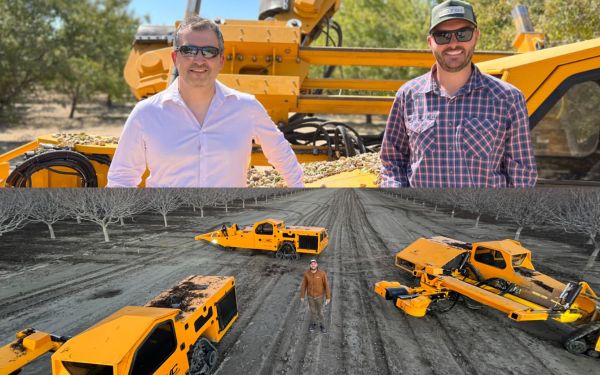
Bonsai Robotics Boosts Team to Revolutionize Farming

Bonsai Robotics, a company creating smart machines for farmers, is making big moves! They’ve added new leaders to their team and bought another company called farm-ng to make farming easier with high-tech tools.

What’s Happening?

Bonsai Robotics welcomed a group of experts to lead their mission. These leaders know a lot about farming, robots, and computers. In July, Bonsai also bought farm-ng, a company that builds electric farm machines. This helps Bonsai offer more solutions to farmers.

Why It Matters

Bonsai is working on machines that can think for themselves using cameras and computers. These machines:

  • Work in tough spots, like dusty fields or places with no GPS.
  • Fit on old tractors or new electric machines, like the Bonsai Amiga.
  • Team up to get jobs done faster.
  • Share information to help farmers save money and grow better crops.

Who’s on the Team?

The new leaders bring tons of experience:

  • Tyler Niday, CEO: Built machines at John Deere and Blue River.
  • Ugur Oezdemir, CTO: Expert in making machines “see” with cameras.
  • John Teeple, COO: Ran tech projects at John Deere.
  • Matt Pigeon, CFO: Manages money for big companies.
  • Gary Bradski, Chief Science Officer: Created OpenCV, a tool that helps computers understand pictures.
  • Brendan Dowdle, Chief Business Officer: Used to lead farm-ng and now helps sell Bonsai’s machines.
  • Arlen Frew, CRO: Knows how to get new tech to farmers.

Looking Ahead

Bonsai is already testing its machines on crops like fruits and veggies. These machines help farmers who don’t have enough workers and make farming cheaper and faster. With their new team and farm-ng’s tech, Bonsai is ready to change farming for the better!

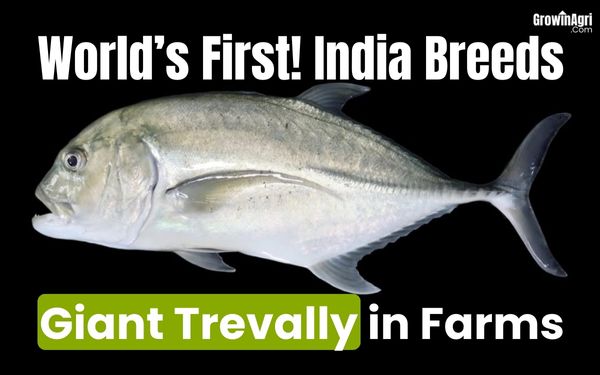
India’s Big Fish Farming First – Giant Trevally Success

Scientists at the ICAR–Central Marine Fisheries Research Institute (CMFRI) have done something no one in the world has ever done before – they have raised the Giant Trevally (Caranx ignobilis), a valuable sea fish, all the way from tiny babies (larvae) to healthy adults, without catching them from the wild.

And that’s not all – for the first time in India, they have made captive-bred seeds of this fish, which means baby fish ready to grow in farms.

These fish were grown in brackishwater cages at Kollam. Brackishwater is a mix of fresh water and salty sea water. The Giant Trevally grew super fast and could handle different salt levels even better than popular fish like silver pompano and cobia.

In 2024, these baby fish were given to farmers in Kerala, Tamil Nadu, and Karnataka. Now, more coastal families can earn money from fish farming without harming the ocean’s natural fish populations.

Why It Is Important:

1. It Protects wild fish
2. It Helps fishermen and their families earn more
3. It Keeps oceans healthy
4. It Makes India a leader in fish farming

This is a proud moment for India and a big step in making our blue economy – the part of the economy that comes from the sea – more sustainable and science-driven.

Autonomous Mushroom Harvesting Company 4AG Robotics Raises $40M CAD

Great news for Mushroom industry, worldwide; because an autonomous mushroom harvesting company, 4AG Robotics raises $40M CAD.

About 4AG Robotics

4AG Robotics a Canadian Company which is working with robotics for mushroom industry. this company help mushroom growers for harvesting mushrooms with their autonomous robots. their robots currently operate in Canada, Ireland, and Australia, with launches planned in the U.S. and Netherlands.

About Funding

This investment $40M CAD is series B funding round. this financing to accelerate production and global expansion. The round was led by Astanor and Cibus Capital, with participation from Voyager Capital and continued support from InBC, Emmertech, BDC Industrial Innovation Fund, the Jim Richardson Family Office, Stray Dog Capital, and Seraph Group. The new funding brings the company’s total capital raised to $57.5 million in two years.

Target is $60 billion Industry

According to 4AG, The global mushroom market is set to grow exponentially, reaching a projected value of $60 billion by 2030. However, as demand surges, the industry faces a stark reality: a growing gap in labor availability.

Future Plans of 4AG

Plan is clear of 4AG Robotics. global expansion & innovation in their technology. what you think about this 4AG Robotics and their technology and this investment also; comment below!

Today’s Top 7 Agri Updates | 22 July 2025

Latest Tips & Updates straight to your inbox

Join 2000 Subscribers for exclusive access to our weekly Agri Dose newsletter with industry insights, National & International updates and jobs updates.

1. China Reaffirms Food Security at 16th International Agri-Trade Policy Conference

Beijing hosted the 16th International Agricultural Trade Policy Conference on July 15, bringing together leaders from the WTO, FAO, and various international diplomats. Vice Minister Zhang Zhili reiterated China’s commitment to bolstering food security through a dual strategy of robust domestic production and moderate imports. Amid rising global protectionism, geopolitical conflicts, and climate change, the conference underscored the importance of multilateral collaboration, resilient supply chains, and advancing green transformation in agriculture. The 2025 China Agro-Trade Report was also released, setting a strategic path for China’s engagement in global agriculture.

2. India Set to Boost Global Pulse Production by 8 Million Tonnes by 2034

India is projected to contribute an additional 8 million tonnes of pulses to global output by 2034. This forecast from the OECD-FAO Outlook attributes growth to:

  • Hybrid seed adoption
  • Enhanced mechanization
  • Supportive policies for farmers
  • Wider intercropping practices by smallholders

Per capita pulse consumption in India is set to reach 8.6kg annually by 2034, promising improved nutrition and increased farmer incomes. India’s leadership solidifies Asia’s pivotal role in meeting the world’s rising pulse demand.

3. Kharif Sowing Momentum: 708 Lakh Hectares Surpassed, Cotton Down

As of July 18, 2025, India’s Kharif sowing covered 708.31 lakh hectares, up nearly 28 lakh hectares year-on-year. Key highlights:

  • Rice: Registered the highest growth, up by 19.47 lakh hectares.
  • Coarse Cereals & Pulses: Expanded significantly.
  • Cotton: Acreage declined by 3 lakh hectares, attributed to market price volatility and delayed monsoons.
  • Soybean: Area fell, but groundnut and bajra recorded gains.

Despite setbacks in cotton and oilseeds, India’s overall Kharif season displays solid momentum.

4. Chhattisgarh Acts Against Fertilizer and Seed Black Marketing

Cracking down on black marketing, Chhattisgarh authorities conducted surprise raids in Bilaspur district:

  • Notices issued to three dealers for unauthorized sales and billing irregularities.
  • One license suspended for 15 days over non-compliance.
  • Warehouses sealed and sales banned for regulatory violations.

A mandatory POS (Point-of-Sale) system for all fertilizer transactions is now enforced, protecting farmers from adulteration and unfair practices.

5. Google Unveils AMED AI Tool for Indian Farmers

Google, in partnership with IIT Kharagpur under the Amplify Initiative, introduced AMED API—an AI-driven tool designed to help Indian farmers:

  • Monitor crops and farmland in real time using satellite imagery and machine learning.
  • Identify crops, measure fields, and detect sowing/harvest dates.

While initial adoption is slow due to income constraints and fragmented landholdings, the tool aims to boost productivity and resilience for Indian farmers. Notably, it also supports India’s linguistic and cultural diversity through tailored AI datasets.

Join our WhatsApp Channel

Join our official WhatsApp Channel for daily updates on agri-tech, market trends, government schemes, startup news, expert tips, weather alerts & more — all in one place!

6. Bihar Announces ₹50,000 per Hectare Fruit Cultivation Subsidy

The Bihar government has launched a new subsidy—₹50,000 per hectare—to promote commercial fruit farming (guava, amla, apple ber, lemon) under its Crop Diversification Programme. Key features:

  • Covers 50% of the ₹1 lakh cultivation cost, split into two installments.
  • Available for up to 4 hectares per eligible farmer.
  • Online, first-come-first-served application to ensure transparency.

This scheme aims to increase farmer incomes and promote climate-resilient, high-return horticulture.

7. Gujarat Mango Exports Surge, Gir Kesar in Spotlight

Gujarat has exported 3,000 tons of mangoes in the last five years, with a record 29% shipped in 2024-25 alone. The famed Gir Kesar mango, protected by GI tag, is seeing heightened global demand—especially in the US and South Africa. Other highlights:

  • Mango production climbed 21% from 2021-22 to 2023-24.
  • Cultivation area increased by 8.4%.
  • Amreli district led with 8.16 tons/hectare productivity.
  • An irradiation facility in Bavla improved export quality, treating 805 tons of mangoes since 2019.

Feeding Cities Sustainably: The Power of Urban Farming

From traditional methods of farming, usually practised in large green fields in rural areas, people have now introduced the concept of urban farming, where crops are grown not on land but instead in empty spaces like terraces, balconies, indoors, vertical setups, and community gardens.
The main motive of urban farming is to grow food where there is a high demand, as urban areas are heavily populated, and organic food usually becomes expensive due to transportation costs.

The need for urban farming

Urban farming is popular nowadays as people have become more health-conscious and lifestyle changes are happening. People now prefer spending time in nature, eating organic vegetables, and adding more trees and plants to urban cities to tackle pollution and humidity, which are major causes of climate change.

Less land for farming

As technologies have advanced in agriculture, people are using these technologies to grow food in very small spaces. Methods such as vertical farming, hydroponics, aquaponics, etc., are now being used, and in urban areas, people grow their own food in balconies, terraces, and vacant spaces in their societies.

Food security

When food is grown in front of them, people know how safe or harmful it is. The amount of chemicals used is minimized, and people prefer organic food. After COVID-19, people have understood the importance of a good immune system and have become more health-conscious.

Environment protection

Urban areas are heavily populated and have bad air quality and high temperatures. These problems are serious and have been widely discussed at climate conferences. Climate change is such a big issue that if we don’t take action now, we may not get another chance. This is the only chance we have.

Reduces transportation

Crops are grown within urban areas where the demand exists. Transportation costs are minimized, and fresh food is readily available in the market. This also helps in reducing the carbon footprint.

Less wastage or recycling of waste

Urban farming leads to less food waste compared to traditional farming. Natural farming also minimizes waste, but urban farming is even more efficient, as farmers are closer to consumers. Food spoilage is reduced, harvesting is done when needed, cold storage units are used, and kitchen waste is utilised.

Water-efficient systems

Modern methods like hydroponics, aquaponics, and aquaculture use 80% less water compared to traditional farming methods, as the water is reused within the system.

Better quality as grown in controlled environments

Since most food is grown in controlled environments, it is organic, and very little pest control is needed. These methods are highly in demand as people seek out organic food.

Different methods of urban farming

In urban farming, since there is no large agricultural land available, people mainly use vertical farming, hydroponics, aquaponics, and terrace farming. These methods have become effective due to advancements in technology.

Vertical farming

One of the challenges in urban farming is the availability of land. Vertical farming is an effective method where food is grown vertically, stacked in layers like shelves or on walls. Water supply is managed with gravity and motor pumps. If grown indoors, artificial lighting is used to replace sunlight.

Hydroponics

In this type of farming, plants grow in water instead of soil. They are grown in pipes, bottles, trays, etc. Water provides all the necessary nutrients for plant growth. Mainly leafy vegetables are grown in hydroponic setups. These are done indoors in controlled environments, so there are no problems with pests or wind. Although this setup is expensive, it is highly efficient.

Aquaponics

Aquaponics is somewhat similar to hydroponics but combines plant farming with fish farming. Water that passes from the plants is directed to the fishes, whose waste becomes nutrients for the plants. The nutrient-rich water is then recirculated to the plants, cleaning the water for the fish again.
This cycle creates a balanced ecosystem where both plants and fish thrive.

Terrace farming

In urban areas, terraces are often empty spaces. They are ideal for growing gardens of vegetables. Terrace gardens can also become community gardens, supporting mental health and creating peaceful environments.
Terraces can easily be converted into gardens by using large grow bags and containers.

Conclusion

In today’s world, it is good to see that people have become health-conscious and are taking steps to protect the environment. The younger generation is also starting to understand the importance of agriculture, and people are using available resources more effectively.
However, there is still a lot to achieve to heal our planet.
Urban farming is one positive step toward a better future. Although there is much more to achieve, we have already come a long way — from farming only on farmlands to advanced indoor farming like hydroponics and aquaponics.

ICAR’s New Genome-Edited Rice Varieties Promise Resilience and Higher Yields

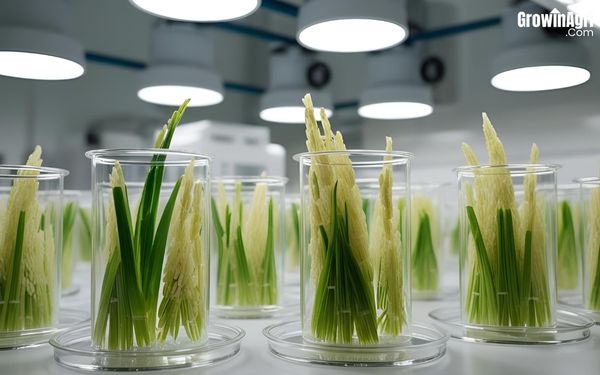
The Indian Council of Agricultural Research (ICAR) has taken a major leap forward in rice cultivation with the launch of two new genome-edited rice varieties. Designed to tackle the growing challenges of climate change, water scarcity, and soil salinity, these varieties are not just scientific achievements — they are game changers for Indian farmers.

Let’s explore what makes these new rice varieties special.

Pusa Rice DST1 – Less Water, More Resilience

Developed by the team at ICAR-Indian Agricultural Research Institute (IARI), New Delhi, led by Dr. Viswanathan C., Pusa Rice DST1 has been created using CRISPR-Cas9 technology. This variety is tailor-made for regions facing water shortage and soil salinity.

What sets it apart is its ability to thrive on less water, thanks to its lower stomatal density. It grows faster with more tillers, larger leaves, and produces a higher number of grains. Even in the absence of stress conditions, it delivers a strong yield — and under drought or salt stress, it still performs reliably. This is the kind of innovation that can make a real difference for farmers working in tough environments.

DRR Dhan 100 (Kamala) – High Yield Meets Early Maturity

The second breakthrough, DRR Dhan 100 (Kamala), has been developed by ICAR-Indian Institute of Rice Research (IIRR), Hyderabad. Dr. Satendra K. Mangrauthia, Dr. R.M. Sundaram, and their team used SDN1 genome editing to enhance the popular Samba Mahsuri variety.

DRR Dhan 100 isn’t just another high-yielding rice — it offers a 19% increase in grain yield and matures 15 to 20 days earlier than its predecessor. It also comes with moderate drought tolerance and retains the high grain quality that Samba Mahsuri is known for. For farmers, this means better returns in less time, with the added benefit of resilience in uncertain weather.

A New Era for Indian Rice Farmers

These two varieties reflect how science and agriculture can work hand in hand to solve real-world problems. With climate conditions becoming more unpredictable, and natural resources like water becoming scarcer, the need for such resilient crops has never been greater.

ICAR’s efforts in developing genome-edited rice varieties like Pusa Rice DST1 and DRR Dhan 100 show a strong commitment to sustainable and future-ready farming. For farmers across India, especially in vulnerable regions, these innovations offer hope — and the promise of better productivity, profitability, and peace of mind.

Join Our WhatsApp for More Details…

Microgreens: The Future of Urban and Indoor Farming

Nowadays, with the help of technology and modern ways of precise farming, many types of agriculture have become beneficial and accessible. One such is microgreen farming, which is a fast-growing segment of agriculture, especially popular for urban farming and small-scale setups or indoor farming.
In this article, you will get a brief idea of microgreen farming, its benefits, disadvantages, and basic setup plan.

Microgreens Farming

Microgreen farming is different from normal farming of plants. Here, young vegetables are harvested just after the cotyledon leaves develop; hence it doesn’t take much time for the plants to harvest. These leaves or greens at this stage are very nutritious and add a flavour to any dish. Hence, these are popular among chefs as they tend to add a depth of flavour to the dish, making it rich and tasty.

Microgreens

Microgreens are small plants from herbs and vegetables. They are harvested just after the cotyledons appear. They are smaller than baby plants but bigger than sprouts and very rich in nutrients—mainly 4 to 40 times higher than normal mature plants. They are mainly used in salads, smoothies, and garnishing. They tend to add an in-depth flavour to the dishes.
Example:
Normal plant – big spinach
Microgreen – tiny spinach seedling (7-10 days old)

Advantages of Microgreen Farming

Following are the advantages of microgreen farming:

  • Short growing phase
    Microgreens are not fully grown plants. Instead, they are harvested when the first cotyledons appear. Hence, it takes around 7–12 days to harvest a microgreen. As harvesting is done so early, you can easily plant multiple crops per month for regular or constant income.
  • Organic
    To grow these plants, no fertilizers or chemicals are needed; they are purely organic. Also, no need for fertilizers or chemicals cuts off some of the key costs for growing.
  • Low investment, low maintenance, and high profit
    In order to grow microgreens, you need small space and capital, as they are harvested quickly, making microgreen farming a quick return on investment (ROI).
    Less water is used compared to other methods of farming, and no soil preparation or labour-intensive work is needed.
  • Fast growing market
    Nowadays, people are more focused on a healthy lifestyle, clean, organic, and healthy food. With this mindset shift, the demand for microgreens is increasing in urban cities and luxury hotels.
  • No expertise or professional certifications needed
    Growing microgreens is an easy farming technique. Anybody can learn and easily adapt to this farming method. A larger variety and quantity can be grown in a small setup.

Disadvantages of Microgreen Farming

Some of the disadvantages of growing microgreens are the following:

  • Maintaining hygiene and disease-free environment
    As they are grown in small spaces indoors or even outdoors, they are difficult to keep disease-free. We need to create an artificial environment for microgreens to grow.
  • Collecting the best quality seeds
    As there’s no other important element in this type of farming, seeds play a really important role here. Choosing high-quality seeds from trusted brands is really important.
  • Creating a consistent market
    As a farmer of microgreens, you need to find a good market for them to sell. As they are harvested quickly, within just 7–10 days, you need to find a consistent market to sell.

Requirements of Microgreen Farming

Following are the necessities for microgreen farming:

  • Location, space – it can be indoor, balconies, terraces, or greenhouses
  • Equipment – growing trays, seeds (good quality), water sprays, growing medium (cocopeat, soil, or tissue papers)
  • LED grow lights for indoor farming

Steps of Microgreen Farming

Following are the steps for microgreen farming:

  • Step 1 – Selection of good quality seeds
  • Step 2 – Preparation of trays – you need to prepare the trays with a growing medium (tissues, cocopeat, soil). Doing this step correctly is highly important as this will create the base for growing.
  • Step 3 – Growing – in this step, you need to spread the seeds evenly, as this will ensure proper growth of the microgreens. Cover the trays for germination for 2–3 days. Once the seeds are germinated, you need to expose the seeds to sunlight after germination.
  • Step 4 – Maintenance – you need to water them daily and watch out for any diseases, as prevention is better than cure.
  • Step 5 – Harvesting – once the microgreens are fully developed, it will take around 7–21 days. You need to harvest them once grown.

Conclusion

Microgreen farming is really easy and convenient to grow, and they are highly profitable as compared to traditional methods of farming. Microgreens are healthy, nutrient-rich, easily digestible plants. Starting microgreen farming is a wise investment and business to do.

Indoor Farming: Types, Advantages, Challenges, Market Potential

Indoor farming is known as vertical, horizontal, controlled environment, or urban farming. This is a new technique of farming in which maximum benefit is taken from the land. In this farming, success is achieved through a controlled environment inside the building structure, such as a greenhouse, warehouse, basement, or unused industrial building.

Large equipment like tractors or combines is not used in indoor farming. The need for water, fertilizers, and other inputs is also less as compared to traditional farming. Doing this farming on a large scale is more profitable. New equipment like cameras and software is used in this farming. In this farming, we grow onions, green leafy vegetables, microgreens, potatoes, tomatoes, etc.

Types of indoor farming businesses

  1. Hydroponic Farming: The word hydroponic is derived from the Greek language. It is made up of two words: “hydro,” which means “water,” and “ponein,” which means “to labor, work, or toil.” In this technique of agriculture, soil is not required for the cultivation of plants. The nutrients required for the growth of plants are mixed in water to make a solution and supplied through rockwool. Through this farming, farmers are able to provide fresh food 365 days a year.
  2. Aeroponic farming: This is a technique of growing plants without soil. The roots of the plant are hung in the air and irrigated with a solution of nutrient-rich water through mist. In hydroponics, the roots remain immersed in water; hence, it is completely different from it.
  3. Aquaponics Farming: Aquaponics is a method in which fish as well as plants are grown without soil. Fish waste contains beneficial bacteria, which convert it into essential nutrients for the plants, and the plants filter and purify the wastewater to create a proper environment for the fish to live. This method consumes less water and fertilizers than traditional farming.
  4. Vertical Farming: It is a type of farming technique in which farmers grow plants in vertical, stacked layers indoors without soil. Green leafy vegetables are usually grown in this farming. Plants are grown through a controlled environment such as light, temperature, humidity, and nutrients. You will be surprised to know that this farming uses 98% less water, 90% less light energy, and up to 85% less nutrients than traditional farming.
  5. Controlled environment farming: In this technique, crops are grown by creating optimal conditions by carefully controlling the proper environment, such as temperature, humidity, light, and CO2 levels. Farmers grow crops in protected structures such as greenhouses.
  6. Container farming: It is a method of growing crops in shipping containers using climate control and artificial light. It is a form of vertical farming.

Advantages of Indoor Farming

  • Land is used efficiently.
  • It provides the ability to produce seasonal food grains throughout the year.
  • Production is not affected due to the absence of adverse conditions.
  • Input costs are lower than traditional farming.
  • It helps in making agriculture a sustainable practice.

Challenges in indoor farming

  • Initial cost: Marketing, lighting, electricity, and growing equipment cost a lot to start indoor farming. Loan repayment and land rent are also very high.
  • Lighting Complexity: Indoor farming has been expanding rapidly over the past several years due to the falling prices of light-emitting diodes (LED). Both LED lights and fluorescent lights give the same amount of light energy. But LED lights require half the amount of energy compared to fluorescent lights. Research was conducted by the Philips company in the year 2015, which found that plants respond differently to different spectrums of light and color at different points of their growth cycle. LED lights are unable to mimic sunlight.
  • Skilled workers: Indoor farming requires skilled and experienced workers to monitor the crops. Farmers face difficulties in finding skilled workers.
  • Limited crop variety: The crop range of indoor farming is limited as compared to traditional farming. In the field, we can grow many types of crops like rice, soybean, wheat, corn, etc., but in indoor farming we can only grow green leafy vegetables, herbs, and small fruits. While chilies, tomatoes, and cucumbers are grown in greenhouses.
  • Consumer acceptance and market awareness: Vegetables grown in indoor farming are less preferred by consumers. They still prefer vegetables grown using traditional methods. Certification and branding are necessary to attract their attention so that they can trust the products of indoor farming.

Market potential and growth opportunities in India

Market potential

    • Global: The global indoor farming market size was US$40.51 billion in 2023. It is projected to reach US$118.17 billion by 2033, growing at a compound annual rate (CAGR) of 11.3%.
    • In India: The market size was US$0.823 billion in 2022; it is projected to reach US$1.740 billion by 2029, growing at a compound annual rate (CAGR) of 11.29%.

    Growth opportunities

      Indoor farming is a sustainable practice that is being molded as advanced agriculture through AI. Its growth can be seen day by day in urban areas. People are becoming conscious about their health. Indoor farming gives many times more production in less space than flat land. This farming requires less water and fertilizer.

      Conclusion

      Indoor farming is a sustainable farming method. Indoor farming is the solution to challenges like land scarcity, food security, and climate change, which is revolutionizing the fields of agriculture. Farmers can earn good money by starting their own startup with high investment and government support.