GrowinAgri

Business news

Top Funding, M&A’s in Agritech of this Week | AgriTech Intelligence- 1

This week, many AgriTech and related companies received investments, and we have covered summaries of these funding rounds. let’s see…

Equitable Earth Raises $14.7M to Scale Trusted Certification for Nature-Based Carbon Projects

Paris-based carbon markets standard platform Equitable Earth has raised €12.6 million ($14.7 million) in a new funding round to expand its certification programme for nature-based carbon projects. Founded in 2020, the company provides a global certification standard approved under the ICVCM’s Core Carbon Principles (CCPs), ensuring projects deliver verified benefits for climate, biodiversity, and local communities. The funding will be used to strengthen data systems, modelling, R&D, and digital certification tools, grow its teams, expand the supply of certified credits, and develop new methodologies for threatened ecosystems, helping make carbon markets more trusted, transparent, and scalable.

reTyre Raises €7M to Scale Low-Carbon, Fully Recyclable Bike Tyres Made from Ocean Material

Norway-based startup reTyre has raised €7 million to scale its patented injection-moulding technology for producing low-carbon, 100% recyclable bicycle tyres using materials such as invasive sargassum seaweed and oyster shells. Led by Hatch Blue’s Blue Revolution Fund, with participation from Fundracer and existing investors, the funding will support production scale-up, fulfil a growing order book, and accelerate profitability. reTyre’s technology cuts CO₂ emissions by up to 80%, enables decentralised manufacturing near OEMs, and reduces transport emissions. The company will install its first fully automated production cell in Norway, followed by an Asian facility in 2026, and has entered a strategic co-development partnership with Vittoria to launch next-generation performance tyres based on its platform.

Black Bull Biochar Raises £4M to Scale Biochar Production and Carbon Removal Across the UK and Europe

UK-based Black Bull Biochar (BBB) has secured £4 million in late seed funding to expand its biochar production and low-carbon heat solutions across North West England and accelerate entry into northern Europe, including Denmark. The round was co-led by TSP Ventures and the Greater Manchester Combined Authority (GMCA) Investment Fund, with participation from Old College Capital, and includes £2M in equity and £2M in debt from Innovate UK’s Future Economy Facility. The funding will support new production sites, expanded R&D, and the relocation of BBB’s headquarters from London to Manchester. BBB’s pyrolysis technology converts sustainably sourced biomass into high-quality biochar for soil health and long-term carbon storage, while also decarbonising industrial heat systems, positioning the company as a scalable player in agricultural decarbonisation and carbon removals.

UK’s Verna Raises $4M to Use AI for Turning Biodiversity Reporting into Long-Term Nature Restoration

London-based NatureTech startup Verna has raised $4 million to help organisations move beyond biodiversity reporting and deliver measurable, long-term nature recovery projects. The funding round was led by NAP (Berlin) and Übermorgen (Zurich), with participation from Vanneck, Love Ventures, Concrete Ventures, and Climate VC. Verna’s platform integrates existing biodiversity datasets, supports planning and decision-making, and tracks restoration outcomes over decades, with upcoming AI-powered tools to optimise and verify recovery plans. Within a year of launch, the company surpassed $1M in ARR and now serves 3,000+ users across 100 organisations, initially focusing on Biodiversity Net Gain projects and expanding globally as demand for nature-positive action accelerates.

Hydrosat Raises $60M to Scale Thermal Satellite Data and AI Analytics for Water, Agriculture, and Defense

Thermal satellite data provider Hydrosat has raised $60 million in new funding to accelerate expansion across commercial, civil government, and defense markets. The financing includes Series B capital and additional equity, led by Hartree Partners, Subutai Capital Partners, and Space 4 Earth, with new participation from Truffle Capital and follow-on investments from existing backers. Hydrosat operates two thermal infrared satellites, delivering daily, field-scale temperature data across more than 10 million sq. km, and uses AI-powered analytics to generate actionable insights for water management, irrigation optimisation, drought monitoring, and resource security. The funding will support constellation expansion, product development, and deeper regional presence across Central Asia, MENA, India, and Latin America.

USask-Led Crop Research Projects Secure $4.5M to Advance Climate-Smart and Resilient Agriculture

More than $4.5 million has been awarded to 24 University of Saskatchewan (USask)–led crop research projects through Canada’s Agriculture Development Fund (ADF), announced at the Saskatchewan Crops Forum. In total, 39 crop-focused projects received ADF support in this funding round, with USask researchers leading more than half. The funded research spans soil health and carbon storage, crop genetics, pest and disease resistance, protein processing, and climate-smart agriculture, covering crops such as wheat, barley, pulses, oilseeds, and specialty crops. Additional support includes $2.5M from the Strategic Research Initiative for herbicide resistance research and $3.2M in industry contributions, reinforcing strong public–private collaboration to strengthen Canada’s agri-food resilience.

AfDB to Invest €102 Million to Boost Poultry and Crop Production in Benin

The African Development Bank approves a €102.12 million loan to Benin to implement the first phase of its Agriculture Transformation Programme in the savannah region. The project will cultivate 120,000 ha of maize and 80,000 ha of soybean, supporting annual poultry production of 41,000 tonnes. Benefiting 50,000 farmers directly and 500,000 indirectly, the initiative promotes climate-resilient seeds, structured water management, mechanization, and women’s participation, strengthening food security, livelihoods, and inclusive economic growth.

NPHarvest Receives Up to €1.2M from Business Finland Deep Tech Accelerator to Scale Fertilizer Innovation

Finnish cleantech company NPHarvest, which develops fertilizer inputs by recovering nutrients from liquid waste streams, has been selected for up to €1.2 million in funding through Business Finland’s Deep Tech Accelerator (DTA) program. The phased funding is tied to technical and commercial milestones and supports the company’s transition from pilot-scale demonstrations to scalable deployment. NPHarvest addresses nutrient overload challenges in Europe’s waste-to-energy sector by recovering nitrogen and phosphorus and converting them into usable fertilizers. The company’s industrial-scale demonstrator and field trials have validated the performance of recycled nutrients, positioning NPHarvest for broader commercialization across European agricultural and industrial markets.

Grove Secures $5M Seed Round to Build Demand-Driven Fresh Produce Supply Chain in Saudi Arabia

Riyadh-based fresh-produce startup Grove has raised $5M in Seed funding led by Outliers VC, with participation from angel investors, to scale its technology-enabled supply chain. Founded in 2024, the company operates a vertically coordinated model that connects farms, markets, and households while aligning production with real consumer demand. Grove aims to improve quality, transparency, and sustainability by shifting away from volume-driven, intermediary-led systems. The platform reports repeat-purchase rates of nearly 48% and food waste below 5%, highlighting strong early traction. The new funding will support expansion of its demand-driven model across Saudi Arabia’s fast-growing fresh produce market.

Indorama India Secures $72.9M Sustainability-Linked Trade Facility from DBS Bank India

Indorama India Private Ltd., a wholly owned subsidiary of Indorama Corporation, has secured a sustainability-linked trade facility of approximately $72.9M from DBS Bank India—the bank’s largest single-ticket facility of this kind. The financing is tied to predefined environmental performance targets, enabling Indorama to access capital while reducing energy, water, and emissions intensity across its manufacturing operations. The partnership strengthens Indorama’s liquidity while embedding sustainability into its financial strategy, reinforcing the company’s commitment to ESG-driven growth and responsible business practices.

Tagros Chemicals Acquires Bayer’s Flubendiamide Assets to Expand Global Footprint

Tagros Chemicals India has signed a definitive agreement to acquire Bayer AG’s Flubendiamide (FLB) business assets across Latin America, EMEA, and the Asia-Pacific region, significantly strengthening its global crop protection portfolio. The transaction includes formulations, trademarks, product registrations, regulatory and technical data, and inventories related to the diamide insecticide, providing Tagros access to more than 25 international markets. The acquisition enhances Tagros’ position in the diamide segment and marks its strategic entry into the B2C formulations market through its newly established entity, Arqivo, enabling the company to move closer to end-users with branded products while building a more integrated global presence in agricultural inputs.

Editor’s Note – First Edition of AgriTech Intelligence

Built for Decision-Makers

Welcome to the inaugural edition of AgriTech Intelligence by GrowinAgri! Designed for decision-makers, this newsletter brings you the most relevant insights from global AgriTech, FoodTech, and sustainability sectors.

This week, we highlight major investment moves shaping the future of agriculture — from Equitable Earth raising $14.7M to expand carbon certification, to Hydrosat securing $60M for AI-powered thermal satellite analytics, and Grove’s $5M seed round to scale demand-driven fresh produce supply chains in Saudi Arabia. Strategic acquisitions like Tagros Chemicals acquiring Bayer’s Flubendiamide assets and Indorama India securing a $72.9M sustainability-linked trade facility further illustrate the pace of innovation and global expansion.

These stories showcase how capital, technology, and sustainability are converging to create smarter, more resilient, and profitable agriculture. AgriTech Intelligence distills these developments to help founders, investors, and executives make informed decisions that drive growth.

Newsletter Form (#8)

Subscribe to our newsletter

Welcome to our Newsletter Subscription Center. Sign up in the newsletter form below to receive the latest news and updates from our company.


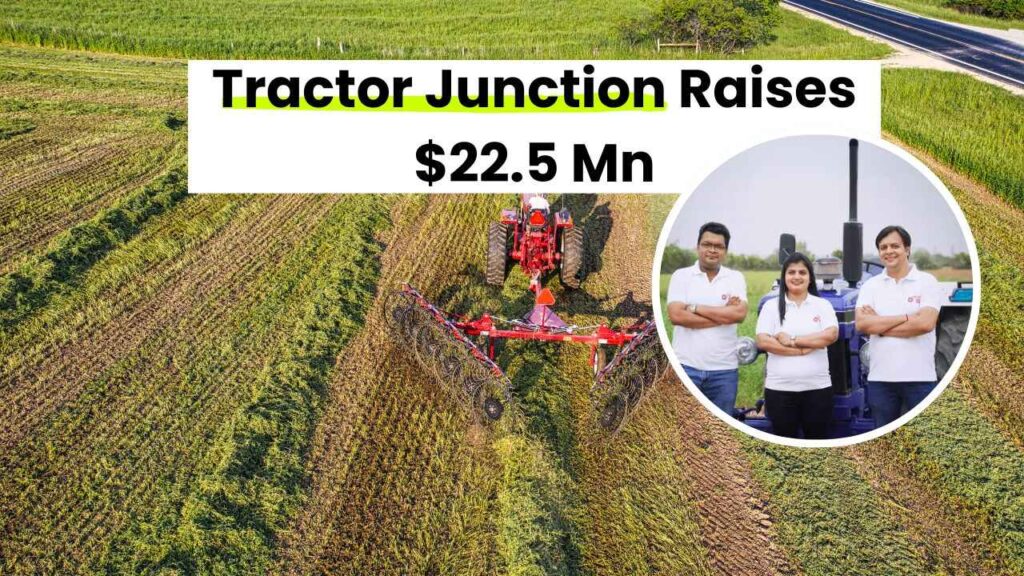
Tractor Junction Raises $22.5 Mn to Drive India’s Tractor Revolution with AI & Finance

Tractor Junction, a popular online platform that helps farmers buy, sell, and finance used tractors, has just raised $22.5 million (about ₹200 crore) in its Series A funding round. The money was led by a European fund called Astanor, with help from its earlier investors Info Edge Ventures and Omnivore. The company plans to use this money to make its website and app smarter with AI, open more shops across India, and grow its loan service called FINJ so more farmers can easily afford tractors. Tractor Junction already sells around 300 used tractors every month and has given out loans worth over ₹1,500 crore. With this new funding, it aims to become the biggest and best tractor marketplace for rural India!

About Tractor Junction New Funding

Tractor Junction just got a big boost: $22.5 million (around ₹200 crore) in fresh funding!

This is called a Series A round. A big European fund named Astanor led the investment and gave the most money. Two old friends of the company, Info Edge Ventures and Omnivore, also joined in.

Out of the $22.5 million:

  • $17 million is new shares (equity)
  • $5.5 million is borrowed money (debt)

This is the biggest funding the company has received so far. Before this, they had raised only about $5.7 million. Now their total funding is more than $28 million!

With this new money, Tractor Junction will grow faster and help more farmers across India.

Tractor Junction’s Products and Services

Tractor Junction is India’s leading digital marketplace for farmers, offering a full ecosystem for rural mobility and agriculture. Their core “products” aren’t physical items but rather a platform and services that connect farmers with vehicles, tools, and financial support. Here’s a breakdown:

Main Marketplace Offerings

  • New Tractors: Over 300 models from top brands like Mahindra, Sonalika, Swaraj, New Holland, Eicher, and John Deere. Includes detailed specs, prices, features, videos, and comparisons to help farmers choose.
  • Used Tractors: Buy and sell certified second-hand tractors through their online listings and offline CoCo (company-owned) stores in 75+ cities across 6 states. They sell about 300 units monthly and have moved over 7,000 in the last three years.
  • Harvesters: 75+ models for efficient crop harvesting.
  • Farm Implements and Tools: 580+ attachments (like plows, seeders) and 135+ tools to enhance farming productivity.
  • Tyres: 120+ options tailored for tractors and rural vehicles.
  • Commercial Vehicles: Trucks, three-wheelers, and two-wheelers for rural transport.

Additional Services

  • Financing (FINJ): Their in-house arm, launched in 2024, provides loans for used vehicles. They’ve disbursed over ₹1,500 crore via 25 lender partners, with ₹150 crore monthly across 13 states.
  • Insurance: Coverage for tractors, implements, and vehicles to protect farmers’ investments.
  • Refurbishment and Certification: Ensures used vehicles meet quality standards before sale.
  • Information and Tools: Expert reviews, owner testimonials, on-road prices, and a mobile app for easy access. They also partner with 50+ OEMs and 1,000+ dealers.

With AI enhancements from their recent funding, they’re expanding to 200 cities and building a smarter platform for rural India. It’s all about making farming faster, cheaper, and more reliable!

Tractor Junction Future Plans

With the new $22.5 million funding, Tractor Junction plans to grow fast and become India’s biggest tractor platform. It will expand from 75 cities to around 200 cities in the next two years, open more shops, and sell many more used tractors. The company will make its app and website smarter by adding AI to help farmers find the perfect tractor quickly. It will also make its loan service FINJ much bigger, give loans in more states, and add easy insurance. Tractor Junction wants to double its money from ₹121 crore last year to ₹250 crore next year and help every farmer buy, sell, or finance a tractor easily!

Arevo, a eco-friendly plant food company, , just got €7.3 million

Arevo, a eco-friendly plant food company, just got €7.3 million

Arevo, a Swedish company that makes eco-friendly plant food, just got €7.3 million from its friends who gave money before: Industrifonden, Fort Knox Förvaring AB, Navigare Ventures, and Stora Enso. This big pile of cash will help Arevo build a giant factory to make much more of its special natural plant food. The money will also let them improve how they make it and start selling it to farmers in other countries around the world.

About Funding

Arevo is a company from Sweden that makes special plant food using natural ingredients instead of harsh chemicals. They just got a big pile of money—€7.3 million—to build a huge factory so they can make lots more of this plant food and share it with farmers in other countries. The same kind friends who helped them before gave money again because they believe in Arevo’s idea.

About their Products

This special plant food is made from something called arginine phosphate. It helps plants grow strong, keeps extra bits from washing into rivers, and makes much less pollution than the old kinds of plant food that hurt the air. In fact, regular plant food causes almost twice as much air pollution as all the airplanes in the world!

Company welcomed a new helper

Arevo also welcomed a new helper named Maria to their team. She used to lead Sweden’s Green Party and knows tons about keeping the Earth clean and following green rules. With her help and the new money, Arevo is ready to grow super big and help farmers everywhere grow food in a way that’s gentle on our planet.

This funding will help them improve production and sell to farmers in other countries. The special plant food helps plants grow strong, stops leaks into rivers, and cuts pollution, making farming better for the planet.

Today’s Market Rate Highlights – 12 September

Cereals Market Rates

Wheat rates

MarketsVarietyModal Prices (Rs/quintals)
Dahod, Gujarat147 Average2825
Lokwan2850
Wheat2750
Agar, Madhya PradeshWheat2611
Mumbai, MaharashtraOther4400
Nimbahera, RajasthanOther2663
Agra, Uttar PradeshDara2600

Rice rates

Bangarpet, KarnatakaIR 203600
Manjeri, KeralaOther4850
Azamgarh, Uttar PradeshIII3350
Gadarpur, UttarakhandOther3710
Balurghat, West BengalCommon3650

Maize rates

Tiruvuru, Andhra PradeshHybrid/Local2350
Hybrid/Local2250
Badwaha, Madhya PradeshLocal1360
Local1360
Nakodar, PunjabOther2060
Badepalli, TelanganaLocal1611
Bilsi, Uttar PradeshHybrid2000

Fruits Market Rates

Apple rates

Chandigarh(Grain/Fruit), ChandigarhApple9000
Sonepat, GujaratOther3000
Bhuntar, Himachal PradeshApple3000
Binny Mill (F&V), Bangalore, KarnatakaApple12000
Mumbai- Fruit Market, MaharashtraOther11000

Banana rates

Mehsana(Mehsana Veg), GujaratOther1250
Binny Mill (F&V), Bangalore, KarnatakaElakki Bale3500
Nasik, MaharashtraKhandesh1500
Azadpur, DelhiOther1850
Faizabad, Uttar PradeshBanana – Ripe2180

Vegetables Market Rates

Potato rates

Chandigarh(Grain/Fruit), ChandigarhOther800
Anand(Veg,Yard,Anand), GujaratPotato1375
Gurgaon, HaryanaOther1000
Vashi New Mumbai, MaharashtraOther1200
Azadpur, DelhiPotato1440

Tomato rates

Mulakalacheruvu, Andhra PradeshLocal2000
Chandigarh(Grain/Fruit), ChandigarhOther2000
Azadpur, DelhiTomato1855
Jaipur (F&V), RajasthanOther2050
Gudimalkapur, TelanganaDeshi800

Today Spices Market Rate Highlights – 11 September

Cummin Seed(Jeera) Market Rates

MarketsStatesModal Prices (Rs/quintals)
HalvadGujarat17500
Jamnagar15425
MumbaiMaharashtra25000
Ositan MathaniaRajasthan17500

Soanf Market Rates

MarketsStatesModal Prices (Rs/quintals)
HalvadGujarat6500
MumbaiMaharashtra20000
BeawarRajasthan7000

Turmeric Market Rates

DuggiralaAndhra Pradesh10300
10300
Chamaraj NagarKarnataka8967
JangipurWest Bengal16650

Today’s Vegetable Market Rate Highlights – 11 September

Potato Market Rates

MarketsStateVarietyMinimum PricesMaximum PricesModal PricesUnit of Price
Chandigarh(Grain/Fruit)ChandigarhOther30023001300Rs/Quintal
SuratGujaratOther60020001300Rs/Quintal
GurgaonHaryanaOther80012001000Rs/Quintal
KatniMadhya PradeshPotato104110411041Rs/Quintal
Vashi New MumbaiMaharashtraOther110016001350Rs/Quintal
KeshopurNCT of DelhiPotato80014001200Rs/Quintal
Jalandhar City(Jalandhar)PunjabOther100800300Rs/Quintal
Jaipur (F&V)RajasthanOther70013001000Rs/Quintal
BowenpallyTelangana(Red Nanital)80020001800Rs/Quintal
AgraUttar PradeshDesi95012501100Rs/Quintal

Tomato Market Rates

MarketsStatesVarietyMinimum PricesMaximum PricesModal PricesUnit of Price
MulakalacheruvuAndhra PradeshLocal130022001800Rs/Quintal
Chandigarh(Grain/Fruit)ChandigarhOther80024002000Rs/Quintal
GurgaonHaryanaOther100020001500Rs/Quintal
SolanHimanchal PradeshOther60021001500Rs/Quintal
KolarKarnatakaTomato30016601000Rs/Quintal
NagpurMaharashtraLocal100017001525Rs/Quintal
Other150020001875Rs/Quintal
KeshopurDelhiTomato220034002950Rs/Quintal
BowenpallyTelanganaDeshi40014001100Rs/Quintal
AmrohaUttar PradeshDeshi220024002300Rs/Quintal

Onion Market Rates

Chandigarh(Grain/Fruit)ChandigarhOther80016001200Rs/Quintal
SuratGujaratOther50019001200Rs/Quintal
BatoteJammu and KashmirOther250027002600Rs/Quintal
Kalapipal(F&V)Madhya PradeshOnion2351270900Rs/Quintal
DevalaMaharashtraOther20014301150Rs/Quintal
Jaipur (F&V)RajasthanOther100018001400Rs/Quintal
LucknowUttar PradeshRed140015001450Rs/Quintal
SheoraphulyWest BengalNasik140018001600Rs/Quintal

Mushrooms Market Rates

MarketsStateVarietyMinimum PricesMaximum PricesModal PricesUnit of Price
Mandi(Mandi)Himachal PradeshMashrooms180002000019000Rs/Quintal
PalampurHimachal PradeshOther180001900018500Rs/Quintal
SolanHimachal PradeshOther120001300012500Rs/Quintal
KathuaJammu and KashmirMashrooms130001400013500Rs/Quintal
JagraonPunjabMashrooms750085008000Rs/Quintal
Jalandhar City(Jalandhar)PunjabMashrooms610098008000Rs/Quintal

Coriander(Leaves) Market Rates

MarketsStatesVarietyMinimum PricesMaximum PricesModal PricesUnit of Price
Rajkot(Veg.Sub Yard)GujaratCoriander100040002500Rs/Quintal
Indore(F&V)Madhya PradeshCoriander100040002500Rs/Quintal
AhmednagarMaharashtraOther6139Rs/Quintal
Jaipur (F&V)RajasthanCoriander300040003500Rs/Quintal

Green Chilli Market Rates

MarketsStatesVarietyMinimum PricesMaximum PricesModal PricesUnit of Price
Chandigarh(Grain/Fruit)ChandigarhOther200035002800Rs/Quintal
Mehsana(Mehsana Veg)GujaratGreen Chilly20028001250Rs/Quintal
Khargone(F&V)Madhya PradeshGreen Chilly90014001200Rs/Quintal
NagpurMaharashtraOther200025002325Rs/Quintal
BowenpallyTelanganaGreen Chilly150030002700Rs/Quintal

Sri Lanka Raises Onion Tax, Hurts Indian Farmers

Sri Lanka has decided to charge more money to bring onions and potatoes into their country. Starting Tuesday, the tax on onions went up from 10 rupees per kilogram to 50 rupees per kilogram. They also increased the tax on potatoes. This makes it more expensive to send these vegetables from places like India to Sri Lanka.

Trouble for Indian Farmers

This change is bad news for farmers in India. They grow lots of onions, but they’re already getting low prices for them. Last year, India started sending onions to Sri Lanka again after a break. Now, Sri Lanka’s new tax might make it harder for Indian farmers to sell their onions there.

Sri Lanka’s Farmers Are Happy

Farmers in Sri Lanka are excited about this decision. They’ve been asking their government to raise taxes on imported vegetables for a long time. They say it’s tough to sell their own vegetables when cheaper ones come from other countries. A special report from Sri Lanka’s food safety team helped make this happen. It showed how imported vegetables affect local farmers.

How Much Are the New Taxes?

Here are the new taxes Sri Lanka is charging:

  • Potatoes: 20 rupees per kilogram
  • Red onions: 50 rupees per kilogram
  • Big onions: 10 rupees per kilogram
  • Sri Lanka hasn’t shared an official announcement yet, but people think it’s coming soon.

India’s Help Last Year

Last year, in April 2024, India allowed 10,000 tons of onions to be sent to Sri Lanka. This was part of a friendly “Neighborhood First” plan to help Sri Lanka during their New Year celebrations. But now, Sri Lanka’s new tax could make things harder for Indian farmers who depend on selling their onions.

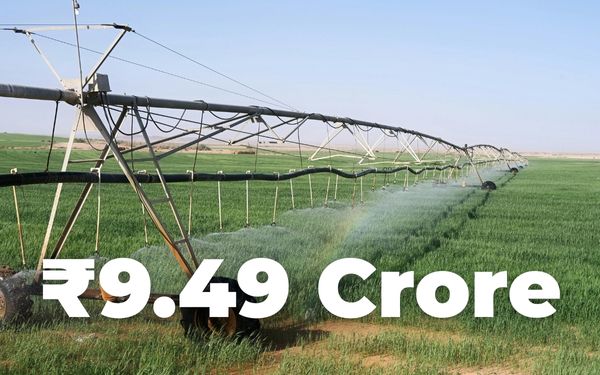
Chhattisgarh Approves Rs 9.49 Crore for Irrigation Projects

In Jashpur, Chhattisgarh, farmers are getting a big help! The Chief Minister, Vishnu Dev Sai, has approved three special projects to fix old irrigation systems. These projects will cost Rs 9.49 crore and make farming easier for many people.

What Are These Projects?

The government is fixing three important water projects:

  • Konpara (Daltoli Dam) in Farsabahar: This will get Rs 3.47 crore to repair it.
  • Soro Diversion Scheme in Bagicha: This will get Rs 3.46 crore to make it better.
  • Ankira Pond Scheme in Farsabahar: This will get Rs 2.55 crore to fix it up.

How Will This Help Farmers?

These projects will bring more water to the fields. Farmers will have enough water to grow crops all year. This means they can grow more food and earn more money. It’s like giving their farms a big drink of water to stay healthy!

Saving Water and Growing Strong

Fixing these water systems will also help save water. Even if there’s a drought, farmers can still grow their crops. This will make farming stronger and help villages earn more money. Farmers will also learn new ways to grow crops better.

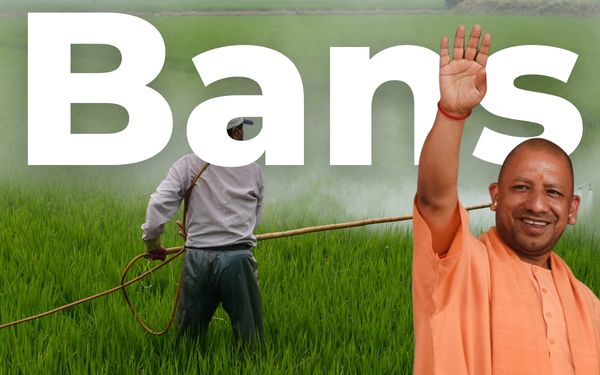
Uttar Pradesh Bans 11 Pesticides to Protect Basmati Rice Quality and Exports

The Uttar Pradesh government has made a big decision to keep Basmati rice special and safe. Starting August 1, they have banned 11 harmful pesticides in 30 districts for 60 days. This is to make sure the rice stays good for eating and selling to other countries.

Why the Ban?

Basmati rice is famous for its long grains and yummy smell. India sends a lot of it to countries like Europe, America, and others. These countries check the rice carefully to make sure it doesn’t have too many pesticide leftovers. If they find too much, they send the rice back, which is bad for farmers and India’s reputation. These pesticides can also harm people’s health.

The banned pesticides have tricky names like Tricyclazole, Buprofezin, and others. The ban is in 30 districts, like Hathras, Aligarh, Meerut, and Bareilly, where Basmati rice has a special tag called GI (Geographical Indication). This tag means the rice is unique to these places.

Why Do Farmers Use Pesticides?

Farmers use pesticides to protect their rice from diseases and bugs, like Blast Disease or Bacterial Leaf Blight. But if they use the wrong amount or spray too close to harvest time, some pesticide stays in the rice. This can cause other countries to reject it. For example, Europe allows only a tiny bit of pesticide (0.01 parts per million), while America allows 0.3, and Japan allows 0.8. Farmers need to be very careful!

What Should Farmers Do?

To keep Basmati rice safe and sellable, farmers should:

Use only pesticides suggested by agriculture experts or universities.

Use the right amount of pesticide.

Wait long enough after spraying before cutting the rice, as written on the pesticide label.

The government has warned that anyone selling these banned pesticides will face strict punishment under the Insecticides Act of 1968.

Why Basmati Is Special?

Basmati rice is loved worldwide for its taste and smell. India is the biggest rice exporter, and Basmati is a star! It grows in special areas, including parts of Uttar Pradesh, Punjab, and Haryana, which have the GI tag. This ban will help keep Basmati rice safe, healthy, and famous around the world!

10 Lakh Solar Pumps for Our Farmers

Big step for farmers! The Madhya Pradesh government has launched a major campaign to install 10 lakh solar pumps across the state by next year. This move aims to reduce farmers’ dependence on electricity and diesel, while making irrigation easier and more affordable.

What Are Solar Pumps?

Solar pumps use sunlight to pump water from wells or underground sources to the fields. Unlike traditional pumps, they don’t require grid electricity or fuel. This means zero power cuts, lower costs, and clean energy.

Up to 90% Subsidy for Farmers

Under the “Pradhan Mantri Krishak Mitra Surya Yojana”, farmers can get up to 90% subsidy on solar pumps. The remaining 10% is paid by the farmer. This support is being provided by both central and state governments.

This makes solar pumps affordable, even for small and marginal farmers.

What Did the CM Say?

Chief Minister Dr. Mohan Yadav recently reviewed the project in a meeting with the Department of New and Renewable Energy. He directed officials to ensure that farmers get the full benefit of schemes like the PM-KUSUM Yojana, and that all related departments work together to meet the 10 lakh pump target.

Why This Matters

  • Reduced electricity bills
  • Reliable irrigation – no power cuts or diesel issues
  • Eco-friendly solution
  • Increased awareness among farmers
  • Future opportunity to sell extra solar energy

What’s Next?

The pump installation will be done in phases, and awareness drives will be conducted across rural areas. This campaign is expected to transform irrigation practices and empower farmers with energy independence.

This initiative isn’t just about pumps – it’s about energy security, savings, and self-reliance for farmers. With sunlight as their new partner, the future of farming in Madhya Pradesh looks bright and sustainable.

Autonomous Mushroom Harvesting Company 4AG Robotics Raises $40M CAD

Great news for Mushroom industry, worldwide; because an autonomous mushroom harvesting company, 4AG Robotics raises $40M CAD.

About 4AG Robotics

4AG Robotics a Canadian Company which is working with robotics for mushroom industry. this company help mushroom growers for harvesting mushrooms with their autonomous robots. their robots currently operate in Canada, Ireland, and Australia, with launches planned in the U.S. and Netherlands.

About Funding

This investment $40M CAD is series B funding round. this financing to accelerate production and global expansion. The round was led by Astanor and Cibus Capital, with participation from Voyager Capital and continued support from InBC, Emmertech, BDC Industrial Innovation Fund, the Jim Richardson Family Office, Stray Dog Capital, and Seraph Group. The new funding brings the company’s total capital raised to $57.5 million in two years.

Target is $60 billion Industry

According to 4AG, The global mushroom market is set to grow exponentially, reaching a projected value of $60 billion by 2030. However, as demand surges, the industry faces a stark reality: a growing gap in labor availability.

Future Plans of 4AG

Plan is clear of 4AG Robotics. global expansion & innovation in their technology. what you think about this 4AG Robotics and their technology and this investment also; comment below!

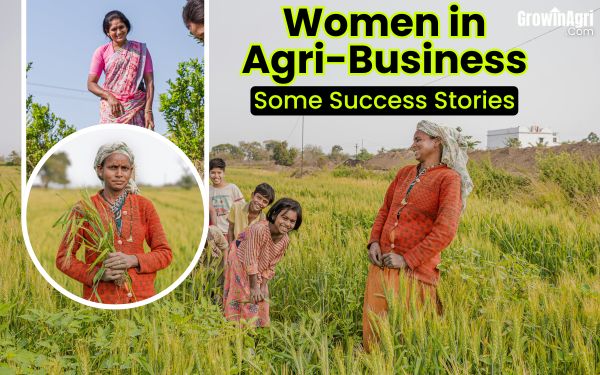
Women in agribusiness: success stories and opportunities

The concept of independent women or working women is not new. I have seen my grandmothers working in the fields, farming, and no one questioned them. Women in agriculture or agribusiness is not a new concept. However, the fact is that women in agriculture have often faced family financial instability in the farming community. Nevertheless, women nowadays are proving them wrong, making it a norm, and we have the proof with us.

Latest Tips & Updates straight to your inbox

Join 2000 Subscribers for exclusive access to our weekly Agri Dose newsletter with industry insights, National & International updates and jobs updates.

Success Stories and Opportunities

Some great examples of women’s empowerment in the agriculture field:

Nethra’s Story of Vaaradhi Farm

Nethra Reddy, the founder of Vaaradhi Farms, is an entrepreneur with a passion for organic farming and a sustainable lifestyle. Nethra, an agripreneur from Andhra Pradesh, is currently on the journey of building an organic and sustainable brand. She brings the goodness of nature to your table.

She has a lot of products — from raw organic vegetables to ghee pickles, raw natural honey, lip balms, etc., all organic and natural.

Nethra presents how agriculture can be a great and profitable career option for the young generation.

Binita Kumari’s Story of Mushroom Farming

Binita Kumari is a woman entrepreneur who does mushroom farming. She is from an underprivileged family in Bihar. But Binita’s dedication and hard work helped her to excel in farming. She learned mushroom farming from KVK (Krishi Vikas Kendra). She started her journey by procuring mushroom spawn from KVK Banka and completed her first 25 bags.

Binita is not only a successful mushroom farmer but also a great marketer. Her story inspired many women from her village as well as nearby villages. The Government of India helps women farmers in establishing their own businesses.

Remabhai’s Story of Soilless Dragon Fruit Farming

Agriculture is not always about money; sometimes it also works as mental therapy for a lifestyle that is not lazy but active. This is shown by a farmer from Kerala, Ramadevi, a retired zoology teacher. Where people say retirement is the end of your career and you spend time resting, for Ramadevi, retirement is not the end of her career, but the beginning of a new one.

Ramadevi is from Kerala. She started her journey of dragon fruit farming due to its benefits for the heart and eyes. She started farming on her terrace.

She chose to grow dragon fruit on her terrace and decided to do soilless farming. Though it came with a lot of difficulties, trial and error, and experimentation, she was able to grow them successfully. Her tricks worked like magic, and now she earns a good amount of money from dragon fruit farming post-retirement.

Sharmila’s Story of Drones in Agri-Tech

Under the government’s Drone Didi initiative, Sharmila Yadav, a farmer from Haryana, got herself enrolled in Drone Destination and the Indian Farmers Fertiliser Cooperative Limited.

She spent almost 5 weeks studying drones, both theory and practical. She was able to spray fertilizers over agricultural lands and earned a good income by using drones. This is not only the story of Sharmila but also of many other women registered under the Didi scheme.

This is where tech meets agriculture — and, most importantly, small farmers are able to earn from this kind of technology. Women from Varanasi, Haryana, Chhattisgarh, Punjab, and all over India are now part of this movement.

Latest Tips & Updates straight to your inbox

Join 2000 Subscribers for exclusive access to our weekly Agri Dose newsletter with industry insights, National & International updates and jobs updates.

Conclusion

All the stories above show different kinds of opportunities women have in agribusiness.

Opportunity by value addition to your produce and building a brand — like the way Nethra has done with Vaaradhi Farms. This is not just a farm but an initiative towards an organic and sustainable lifestyle.

Binita’s mushroom farming shows us that mushroom farming is profitable and a great opportunity for women farmers. She shows us that it doesn’t matter where you are from; if you have passion and are ready to work hard, you can achieve a fruitful life.

Remabhai shows us that retirement is not the end of your career but the beginning of a new journey, and age is just a number.

Drone Didis showed us that technology is not only for the privileged ones. Technology can be learned and used at any phase of your life; what you need is curiosity and willingness.

Join our WhatsApp Channel

Join our official WhatsApp Channel for daily updates on agri-tech, market trends, government schemes, startup news, expert tips, weather alerts & more — all in one place!

Top 5 Onion Business Ideas for 2025!

Nowadays, onion farmers are facing problems regarding onion mandi prices because of the early monsoon and export bans to some countries. So, what can farmers do with onions in order to generate more money?

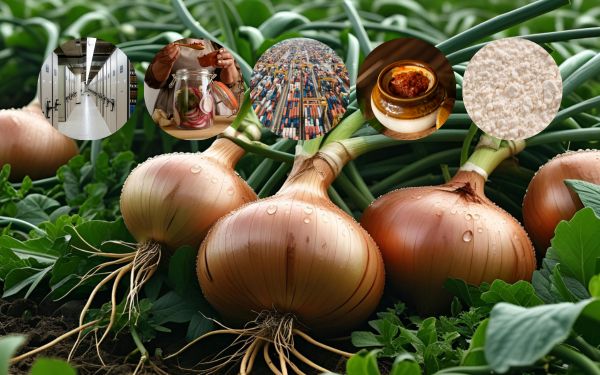
We are here with some business ideas that farmers can pursue to earn multiple times the profits from onion farming. We have the top 5 onion business ideas; here’s a breakdown:

Latest Tips & Updates straight to your inbox

Join 2000 Subscribers for exclusive access to our weekly Agri Dose newsletter with industry insights, National & International updates and jobs updates.

Onion Storage Facility/Warehouse

This business is a service-type business model and requires more infrastructure compared to other normal businesses. In this business, if you can manage a storage facility and land for storage, you can make lakhs of rupees from this single business model. Once your business is successful, you can also solve other types of farmers’ problems by offering services like vegetable storage facilities, fruit storage facilities, etc.

Onion Dehydration Unit

The dehydrated onions market is booming. This presents an opportunity in areas where farmers cannot grow onions, and also where people prefer the flavor of onion in food but don’t want to see onion pieces. We can make multiple products from dehydrated onions, such as flakes, powder, and granules.

If you choose to make these types of products, ensure your brand identity and better packaging add an advantage for you. If you export to foreign tier-one countries, you can generate multiple times the revenue compared to local selling. One major advantage of this business is storage: we can store dehydrated onion products for many days.

Onion Paste

This is another good business model for onions because the demand for onion paste is increasing now, especially in big hotel chains and tier-one cities. You can therefore benefit from this increasing demand. However, one problem in this business is storage. If you can solve the storage problem and increase the storage days in this business, you can achieve greater success.

Onion Pickle

Onion pickle is another good business model because of its demand. Whether you are living in a village, town, or city, you likely enjoy onion pickle. This product has a separate fan base, especially in India. If you want to start a business with onions, you can choose this. Simple steps are involved in making this product. If you can export this product, you can generate multiple times the revenue from existing revenue.

Onion Export Business

This is an evergreen business model, provided everything is right between countries. In this business model, you can export fresh onions, dehydrated onion products, or other types of products as well. However, if you are exporting to developed or tier-one countries, you will need some extra certificates compared to other destinations, but you can also generate more money.

Latest Tips & Updates straight to your inbox

Join 2000 Subscribers for exclusive access to our weekly Agri Dose newsletter with industry insights, National & International updates and jobs updates.

So these are the top 5 onion business models you can pursue. If you want to start a business, you should begin with one. If you succeed in that, you can grow and venture into many types of businesses. But before starting, make sure you conduct proper research on raw materials, market demand, certificates, and other essential things. If you want to know more about onion businesses, you can check out our YouTube video on that topic.

Value addition in agriculture: turning raw produce into profit

Value addition in agriculture means producing the raw produce’s potential by turning it into ready-to-use products. This significantly reduces the burden on customers of handling raw materials themselves. Here, the value of the raw produce also increases, which results in higher retail prices and more profits. And how to convert the raw material into ready-to-use products. This can be done by processing, branding, packaging and marketing. Few such examples are- tomatoes to tomato ketchup, fruits to fruit juices. This process not only increases the value economically but also increases the nutritional value of the product. Let’s see some techniques by which we can increase the value of agricultural produce.

Techniques of value addition in agriculture (with examples)

Latest Tips & Updates straight to your inbox

Join 2000 Subscribers for exclusive access to our weekly Agri Dose newsletter with industry insights, National & International updates and jobs updates.

Following trend

People nowadays are very much interested in organic, gluten-free, vegan products, turmeric shots, herbal supplements, etc.

Turmeric ginger shots (morning shots)

Instead of selling raw turmeric as a farmer, you can add ginger, turmeric, water, etc., to make a healthy soup; these are good for gut health as well as overall health. These are mainly consumed in the morning. This type of product is in demand due to its trend among people; before, if you had sold it, the value wouldn’t have been much, or the demand would have been less.

But due to these kinds of trends, which are healthy and helpful for people. And as a farmer, you will generate a good amount of revenue.

Vegan products

Similarly, people are popularising vegan eating, which is in our tradition if Jains and Brahmins in India. People are understanding the cruelty of the livestock industry and moving to vegan products.

And surprisingly, vegan products are highly priced, as compared to other sources.

This is because now your normal product has a category and a brand label of vegan, the value has increased because of people’s demand.

Processing

Processing involves making the product consumable and convenient to use. There are many ways you can process the raw material. Some examples are pickles, juices, ketchups (tomato ketchups), dehydrating (chili are dried to make powder), potatoes to chips, jams.

This process of processing raw material not only makes it convenient to use but also increases the shelf life and taste of the food. This is a really popular technique for increasing the value of the raw materials.

Packaging and Branding

Packaging helps in maintaining the quality of the product, also the branding done in the packaging helps to influence the decision-making, as well as the consumer might unconsciously memorise the packaging. This is because branding helps in distinguishing your product from the rest of the competition.

Examples- any tea packet that is green reminds you of green tea, a yellow packet is of Maggi. Packaged Basmati rice is better than unpacked rice.

Quality control

As a brand or an agriculture company, you have used all the techniques to improve the product’s value. But here’s what lies maintenance of the brand image which you have created. You need to have a strict recipe for pickles, ketchups, jams, etc. This will help you in having a standard taste across the product line. This will provide more legitimacy, trust for the consumer of the product

Grading and sorting

This involves categorising the products according to their quantity, size, variety/ type, and appearance. This will provide consumers with a variety of options to choose from, hence broadening the consumer segment.

Latest Tips & Updates straight to your inbox

Join 2000 Subscribers for exclusive access to our weekly Agri Dose newsletter with industry insights, National & International updates and jobs updates.

Conclusion

These techniques will not only help farmers in increasing the value of the products but also manage waste properly, as excess raw materials can be processed, and processed food has a higher shelf life as compared to raw materials. Such as fruits, vegetables can be processed into jams, ketchups, sauces, and pickles, which have a higher shelf life.

But here’s the take for all these, you need a proper processing unit and manpower. You need to have proper strategies, resources for all these. The government does provide support in the form of subsidies and financial help to agropreneurs and small farmers.

Today the price of fish reached ₹50,000/-

Today the market price of fish has been good but in some markets the price has been quite low but at some places the price has been very good like in Ghazipur of Delhi today the price has been seen going up to Rs 50000 per quintal. Let us know the price of fish today in the major markets of the country.

Latest Tips & Updates straight to your inbox

Join 2000 Subscribers for exclusive access to our weekly Agri Dose newsletter with industry insights, National & International updates and jobs updates.

Market NameMinimum PriceModal PriceMaximum Price
Gazipur, Delhi (Bata Putti)₹6000₹8000₹9000
Gazipur, Delhi (Black Dom)₹8000₹10000₹12000
Gazipur, Delhi (Blue Dom)₹10000₹12500₹15000
Gazipur, Delhi (Chilwa)₹6000₹8000₹10000
Gazipur, Delhi (Halwa)₹15000₹20000₹25000
Gazipur, Delhi (Hilsa)₹30000₹40000₹50000
Gazipur, Delhi (Katla – Small)₹6000₹8000₹10000
Gazipur, Delhi (Katla – Big)₹8000₹8000₹12000
Gazipur, Delhi (Malli – Big)₹8000₹12500₹15000
Gazipur, Delhi (Malli – Small)₹6000₹8000₹10000
Gazipur, Delhi (Pangass)₹6000₹8000₹10000
Gazipur, Delhi (Rahu – Andhra)₹8000₹10000₹12000
Gazipur, Delhi (Singhra – Big)₹20000₹25000₹30000
Gazipur, Delhi (Singhra – Small)₹10000₹15000₹20000
Gazipur, Delhi (Sol)₹25000₹30000₹35000
Gazipur, Delhi (Soli)₹10000₹12500₹15000
Gazipur, Delhi (Surmai – Big)₹30000₹35000₹40000
Gazipur, Delhi (Surmai – Small)₹20000₹25000₹30000
Gazipur, Delhi (White Dom)₹10000₹12500₹15000
Gazipur, Delhi (Zinga – Zambo A)₹40000₹45000₹50000
Gazipur, Delhi (Zinga – Zambo B)₹30000₹35000₹40000
Gazipur, Delhi (Zinga – Zambo C)₹17000₹23500₹30000
Karanjia, Odisha₹18000₹19000₹19000
Rahama, Odisha₹12000₹18000₹43000
Boxonagar, Tripura (Katla – Big)₹29000₹30000₹31000
Boxonagar, Tripura (Rahu – Local)₹22000₹23000₹24000
Sonamura, Tripura (Katla – Big)₹30000₹31000₹32000
Sonamura, Tripura (Rahu – Local)₹22000₹23000₹24000
Teliamura, Tripura (Katla – Big)₹29000₹29100₹29200
Teliamura, Tripura (Rahu – Andhra)₹18500₹18600₹18700
Diamond Harbour, West Bengal₹16500₹17000₹17500
Jhargram, West Bengal₹15000₹15600₹16000

Farmer & Agribusiness Owner Registration Form: Fill this form for Your and Your Business growth.

Agri Export Business from India: Crops, Regulations and Global Demand

Export businesses are highly profitable nowadays, especially in the agricultural sector, as India boasts a wide diversity of agricultural products due to its diverse geographical conditions.
So, here’s a basic guide for those who want to start an agricultural export business.

Crops for Export from India and Their Demand

There is a wide variety of crops in India that are in high demand in foreign countries. Hence, as an exporter in the agricultural sector, you will have a variety of options for export.
But one thing to keep in mind is that you should choose a crop in which you have expertise; even if you don’t, then gain knowledge and expertise on the crop.

Cereals and Grains

Rice has different varieties, and the demand for each variety varies from country to country. India is the world’s largest exporter of Basmati rice; they are sold at higher prices as compared to other varieties of rice.
Wheat – countries like Indonesia, the Philippines, and UAE are the main importers of wheat from India.

Fruits and Vegetables

Fruits like mango, banana, grapes, pomegranate etc. are exported from India, and they are in high demand from countries like the USA, UK, Netherlands, Russia, UAE etc.
Vegetables like onions, potatoes, okra, tomatoes, and moringa are a few examples of vegetables that are highly popular in countries like Bangladesh, Malaysia, Nepal, Maldives, UAE etc.

One thing you need to keep in mind while exporting these goods is that all these products are perishable, which makes them difficult to transport. You need cold storage, which is expensive, and the export window of perishable goods is really narrow.
Also, there are certain standards and quality checks for these goods according to different countries, so you need to keep exporting accordingly.

Pulses, Legumes and Spices

Pulses and legumes like chickpeas, green gram, and black gram are highly popular among countries like Nepal, UAE, Sri Lanka, Algeria etc. These are gaining popularity, and these goods are easy to export as they don’t need extra care for handling as compared to perishable goods. But again, you need quality assurance and checkup.

Spices like turmeric, cumin, chili (Guntur chili), cardamom, and black pepper are again some popular examples that are in demand in countries like the USA, China, Vietnam, Germany, UK, UAE etc.
They are easy to transport and have been popular among countries, and the market is huge.

Oilseeds and Nuts

Seeds like groundnuts, sesame seeds, cashew nuts etc. are in demand in countries like Europe, the USA, Japan, and Korea. They can be sold as oil or nuts in general, according to the demand.

Latest Tips & Updates straight to your inbox

Join 2000 Subscribers for exclusive access to our weekly Agri Dose newsletter with industry insights, National & International updates and jobs updates.

Rules and Regulations for Export Businesses in India

Basic Requirements

Some of the basic registrations that are mandatory are:

Import-Export Code (IEC)

It is mandatory as it is needed for any import/export activity, and it is issued by the Directorate General of Foreign Trade (DGFT).

APEDA Registration

Agricultural and Processed Food Product Export Development Authority (APEDA) registration is mandatory for exporting any agricultural products such as fruits, vegetables, meat, dairy products etc. Under this, you will also get access to export promotion schemes, subsidies etc.
Prior to that, you need to have your own company registered with the government and also a digital presence, as this will help you to gain the trust of buyers.

Quality Safety Registrations

FSSAI License

Food Safety and Standards Authority of India (FSSAI) – This license is necessary if you want to sell processed or packaged food, as this license ensures that your food’s quality is approved by FSSAI, thus guaranteeing that your food is under safety standards.

Phytosanitary Certificate (PSC)

The Plant Quarantine Department issues this certificate, ensuring that your product is pest and disease-free. It is especially required for fresh fruits, vegetables, grains etc.

Certificate of Origin

This certification ensures that your goods or products originate in India for preferential tariff benefits. Issued by export promotion councils and chambers of commerce.
This is necessary as without this, export and import business isn’t possible, as it will be difficult to gain buyers’ trust.

Latest Tips & Updates straight to your inbox

Join 2000 Subscribers for exclusive access to our weekly Agri Dose newsletter with industry insights, National & International updates and jobs updates.

Conclusion and a Few Tips

Above are all the necessary details that will help you to kick-start your export business.
You need to have good knowledge of products and necessary details of the product which you want to sell. Usually, choose this product according to the market demand.

Connect with the buyers through LinkedIn or through the Indian embassy in your targeted country.
You will get help and support from the Government of India, but make sure to take precise and calculated steps while doing any business.

Join our WhatsApp Channel

Join our official WhatsApp Channel for daily updates on agri-tech, market trends, government schemes, startup news, expert tips, weather alerts & more — all in one place!

Organic Farming Business Model: From Production to Profitable Marketing

Organic farming is one of the traditional ways of farming, but it is difficult to maintain efficiency in this type of farming. So, people weren’t much involved in organic farming. But now that people are a lot more conscious than before, organic farming has been back in trend for the past few years.
So, here is a guide for you to start your own organic farm from research work to selling

Understanding the market

Before starting any business, you need to first gain knowledge of the competitors, the product you are dealing with, consumers, demand, competitors, location, finances, expenses, pricing costs, and partners, etc.
All the different types of selections are mentioned in no order; you can do any of the following steps at any time in your market research process.

Land selection

Before buying farmland and anonymously starting farming, you need to find a perfect location that will have to meet a few criteria.
Firstly, access to the market
Away from an industrial area
Access to resources such as water and electricity
Quality of soil
Transportation facilities
Storage facilities
This was the land selection part.

Targeted consumer segment

You need to decide on your business model, whether it is B2B or D2C. You need to find your ideal consumer type. Once you have defined your consumer segment, you need to figure out where your consumers reside and how to reach them, through social media as well as through event campaigns.

Crop selection

Now, once you have identified the market and understood your consumers, you need to find the ideal crop with a margin. Keep in mind that organic farming is difficult to manage as compared to modern ways of farming.
There are a lot of losses in organic farming, so you need to choose the business model and crop wisely.
Of course, you can experiment with different types of crops and make your own standard way of farming. But for that, you need to have a very good knowledge of farming. Without the expertise, you will face problems.

Competitor analysis

Identify the competitors of the market you are going to enter. Identify your competitors’ strengths and weaknesses, and how you can use that as your plus point.
What strategies do your competitors use, in which market they are competing, and how can you create your own place in this competitive market?
These were a few questions you should be answering while competitor analysis.

Find the market

Find the marketplace where you are going to sell your produce. That means vendors, whether you are going to sell your produce to any local vendors or you can export out of the country.
You need to find vendors accordingly, according to the quantity, quality, location, and margin of your produce.

Latest Tips & Updates straight to your inbox

Join 2000 Subscribers for exclusive access to our weekly Agri Dose newsletter with industry insights, National & International updates and jobs updates.

Certification

If you are new to farming, then you need to attend workshops and gain certifications from recognized bodies like NPOP, APEDA, etc.
You need to follow the necessary process, adhering to organic standards.
Actually, organic farming is difficult; it is not a cup of tea for every farmer, but it is also not impossible.

Financial management

Now you have done everything—selected the crop, understood the market, demand, vendors, gained certifications, etc.
Now comes one of the important parts, which is financing.
Now make a list of all the necessary initial costs and divide it into three parts: fixed cost, variable cost, and recurring cost. Fixed costs include machinery, tools, etc.; recurring costs include electricity, seeds, marketing costs, etc.—basically making a list of expenses.
Now you will get an idea of the amount you need to start the business and the time period.
Now you need to select from where you can source the investment—personal investment, government subsidies, loans, etc.

Farming

This is where all your knowledge and hard work apply. Seedling phase, planting your crop, taking care of regular checkups, etc., using vermicompost, natural manure and fertilizers, and natural pest management. Irrigate when needed.
You need to keep a record of everything—inputs used, crop schedule, labor details, irrigation details, harvest data, costs, etc.
You need to find a method of storage if it is perishable goods that are difficult to store (cold storage, which can be expensive).
This will help you in future farming purposes, trying out different methods and experimenting and identifying the ideal method.

Marketing and sales

With all the production and crops produced, you need to sell your produce. To vendors or directly to consumers—for this part of the process, you need proper branding and a marketing person is advised. Hire a social media or marketing manager, or you can be on your own.
Find different channels of sales, such as through online market, e-commerce, Blinkit, Big Basket, or your own site. Through mandis, local organic shops, to businesses such as restaurants, cafes, etc., you can also export to other countries according to the demand of the market.

Conclusion

This is a full set-to-set process of setting up the organic business model. This process is a standardized one that may vary according to the location, market, and region. Feel free to add your touch. But keep in mind that organic farming does have a high demand and popularity, but it is also difficult to do effective organic farming. With proper expertise in farming and business, you can do it.

India’s Summer Sowing Hits New High in 2025: What the Numbers Reveal

India’s agriculture sector is witnessing a wave of optimism this year as the latest data shows a substantial rise in summer crop sowing. As per figures released by the Ministry of Agriculture and Farmers Welfare, the total area covered under summer crops has reached 83.93 lakh hectares as of May 30, 2025, showing a notable increase of 9.21 lakh hectares compared to the same period last year.

Let’s break down the performance crop-wise:

Rice Leads the Way

Rice has shown an impressive jump, with 35.86 lakh hectares sown this year compared to 31.06 lakh hectares in 2024. This 4.80 lakh hectare rise indicates growing interest among farmers, likely driven by stable water availability, good market prices, and better yields in previous seasons.

Pulses Gain Momentum

The total pulse coverage rose to 24.25 lakh hectares, up by 2.77 lakh hectares from last year:

  • Greengram (Moong): 21.00 lakh ha (↑ 2.27 lakh ha)
  • Blackgram (Urad): 3.07 lakh ha (↑ 0.50 lakh ha)
  • Other Pulses: 0.18 lakh ha (steady)

The rise in pulses sowing aligns with increasing demand for protein-rich crops and government support for pulse production.

Shree Anna (Millets & Coarse Cereals) See Renewed Interest

The millet movement continues to make strides. Shree Anna crops now cover 14.37 lakh hectares, up from 12.95 lakh hectares in 2024:

  • Maize remains the star performer with 8.80 lakh hectares, increasing by 1.43 lakh hectares.
  • Jowar and Ragi also saw slight gains.
  • Bajra saw a marginal decline of 0.06 lakh ha, while small millets remained stable.

This increase reflects the impact of the Government of India’s millet promotion campaign and consumer shifts towards healthier grains.

Oilseeds Maintain Steady Growth

Oilseeds recorded a modest growth, increasing from 9.23 lakh hectares in 2024 to 9.45 lakh hectares in 2025:

  • Groundnut: 4.31 lakh ha (↑ 0.20 lakh ha)
  • Sunflower: 0.36 lakh ha (↑ 0.06 lakh ha)
  • Sesamum: 4.70 lakh ha (↓ 0.03 lakh ha)

This growth reflects consistent demand for edible oils and farmer inclination towards oilseed profitability.

Total Summer Sown Area at a Glance

Crop Category2025 Area (lakh ha)2024 Area (lakh ha)Change
Rice35.8631.06+4.80
Pulses24.2521.48+2.77
Shree Anna & Coarse Cereals14.3712.95+1.42
Oilseeds9.459.23+0.22
Total83.9374.72+9.21

Looking Ahead: A Positive Outlook for Kharif

This remarkable increase in summer sowing reflects rising confidence among farmers and favorable agronomic conditions. With the monsoon around the corner and proactive government schemes, experts anticipate continued progress in the upcoming Kharif season as well.

How He Built ₹7–8 Crore Agriculture Empire

In this era, where most people’s chase urban dreams, Atul Pratap Singh chose a different path, he returned to his roots in Azamgarh, Uttar Pradesh. to build one of the most successful and modern farms in that region. His inspiring journey into poultry and fish farming has not only brought him accolades but also a flourishing agribusiness with an annual turnover of ₹7–8 crore.

Meet the Farm Owner

When Atul Pratap Singh was living in Delhi and preparing for the civil services Exam, Atul Pratap Singh had a conversation that changed everything. Motivated by a friend’s words, he chose to leave city life behind and return to his village in 2001 to pursue farming.

Balancing his job as a Hindi lecturer at Shri Vishwanath Inter College, Kalan, he took his first step into agriculture with 6,000 broiler birds, guided by expert training from CARI, Bareilly, and the financial support from his father, a doctor.

Fast forward to today, and Atul Pratap is running a large-scale operation with:

  • 55,000 layer birds
  • 35,000 broiler birds
  • A 1-hectare fish pond
  • Multiple crop plantations

Modern Agriculture Farm

Farm situated in a serene village in Azamgarh, the farm exemplifies a well-balanced integration of advanced agricultural infrastructure with the natural charm of rural India. The land, once unproductive and barren, has been meticulously developed to include a six-story, fully automated layer poultry facility, which reflects a strong commitment to technological advancement in livestock management.

In addition, the farm comprises separate units for broiler poultry production, a spacious pond designed for intensive fish farming, and a well-maintained farmhouse set amidst thoughtfully landscaped greenery. This strategic layout not only enhances operational efficiency and productivity but also fosters a clean, organized, and conducive environment for sustainable farm management.

Greening the Land, Naturally

Atul Pratap Singh’s deep-rooted love for nature is reflected in every corner of his farm. What once stood as dry, unused land has now blossomed into a vibrant green sanctuary. Rows of mango trees—Alphonso, Sinduri, Neelam, and Tota Pairi varieties. sway gently in the breeze, filling the air with a subtle, sweet fragrance. Scattered across the landscape are fruit-bearing plants like papaya, chakotra (pomelo), and sharifa (custard apple), offering both nourishment and beauty.

Hidden among them, like a secret treasure, grows a rare clove tree, alongside lush curry leaf plants, adding a touch of spice and tradition. More than just a place of production, the farm feels alive, a thriving ecosystem where agriculture and nature exist in perfect harmony.

Fish Farming Done Right

Among Atul Pratap Singh’s earliest and most innovative ventures was fish farming, a project born out of thoughtful land utilization and a keen eye for opportunity. Spotting a low-lying, underutilized patch on his land, Atul decided to turn it into something valuable. He excavated the area to create a one-hectare pond, simultaneously using the soil to raise the surrounding land for better usability. This smart move laid the foundation for a thriving aquaculture system.

With the help of aerators, Atul adopted intensive fish farming techniques, achieving impressive yields of 80 to 100 quintals of fish annually. Nothing on the farm goes to waste. Poultry litter from his nearby units is recycled as organic manure for the pond, enriching the water and reducing input costs. His model has become a learning ground for many local farmers, who regularly visit the farm, adopt his practices, and benefit from his guidance.

In recognition of his innovative and sustainable approach, Atul received the First District Award for Fish Farming in Azamgarh back in 2001—a proud milestone that marked the beginning of his journey as a visionary farmer.

Recognized and Respected

Atul Pratap Singh’s dedication and innovation in farming have earned him well-deserved recognition over the years.

In 2001, he was honored with the First Award for Fish Farming in Azamgarh, A testament to his early success in aquaculture. More recently, he received the First District Award for Poultry Production, further cementing his reputation as a leader in modern, efficient farming practices.

Today, Atul stands as a source of inspiration for both aspiring and experienced farmers throughout the region, proving that with vision and persistence, rural success stories are not just possible-they’re powerful.

His Philosophy: Farming with Joy, Not Just Duty

What truly sets Atul Pratap Singh apart isn’t just his success, It’s his mindset. For him, farming is not a burden but a joy, something to be embraced with heart and soul. He believes that true results come when you care deeply, especially when it comes to tending to livestock, watching them closely, understanding their needs, and nurturing them with attention and respect. Atul often speaks about the value of reconnecting with one’s roots, of returning to the land that raised you and making it thrive again.

His journey is a reminder that prosperity doesn’t always lie in the cities, It can be cultivated right at home, in the soil beneath your feet.

Above all, Atul credits his success to patience, dedication, and a relentlessly positive outlook, Qualities that have carried him through challenges and helped him turn a simple village farm into a model of modern rural entrepreneurship.

Atul Pratap Singh’s journey stands as a powerful testament to what farming can truly become-modern, profitable, and deeply fulfilling. He didn’t just raise poultry or harvest fish; he nurtured a dream, built a life rooted in purpose, and shaped a thriving agricultural enterprise from the ground up. With every step, he redefined what rural success looks like.

More than anything, Atul’s story lights a path for the next generation, Showing them that farming isn’t just an age-old tradition, but a dynamic force for change, innovation, and prosperity. His fields may be in a quiet village, but his vision reaches far beyond; Inspiring others to return to the land, reimagine its potential, and grow something far greater than crops.

Profitable Agri Business Ideas for 2025: Low Investment, High Returns

Agriculture is a sector that will never go out of trend, irrespective of any new technology or AI. However, traditional agriculture techniques are not at all profitable; they were sustainable in the past, but nowadays, with high demand, people need to focus on efficiency and integrate new farming technologies and techniques.
Here are a few of my recommendations for agri-business ideas:

Vertical farming

As the name suggests, crops are grown vertically, stacked in layers. They are mainly grown indoors in a controlled environment, using hydroponics and aquaponics techniques. People usually grow exotic plants in this type of setting, mainly leafy green vegetables.
As exotic vegetables are in low supply and high demand, these vegetables are more expensive compared to others in the market, making this type of business profitable.
Although the initial investment is significant, the returns are high. This results in a high ROI (return on investment), as the returns outweigh the investment.

Agri tourism

Agri tourism is a growing business, as people are increasingly becoming interested in rural lifestyles, farming, and organic food. This trend is driving tourism to rural villages in India.
Seizing the opportunity, farmers are opening their farms to the public and turning them into tourist spots.
People stay at the farms and experience farming and rural lifestyles.
Your streams of revenue will include accommodation and food expenses. Additionally, as your brand or farm gains more exposure, you’ll be able to sell your farm produce directly to customers.
This type of business requires relatively low investment if you already have a farm—you just need to set up accommodation and food facilities for the tourists.

Mushroom Farming

Mushrooms are harvested every 3-4 weeks and are in demand all year round. Mushrooms don’t need sunlight and can be grown indoors. Investment in mushroom farming is low, but the returns are high due to their consistent demand in hotels and households, as they are healthy.
You can grow mushrooms on a small or large scale.
With proper techniques and knowledge, mushrooms are highly profitable.
You will get higher returns because once the mushrooms are successfully grown, there are many vendors willing to purchase them, given their consistent high demand.

Organic Farming

The COVID-19 wave showed people the importance of immunity, and to achieve good immunity, one needs a healthy lifestyle. People are now more health-conscious and mindful of what they consume. Eating organic is one of their key goals as it helps them avoid harmful chemicals commonly used in conventional farming.
Now we know that the demand for organic and healthy food is high, and people are willing to pay extra for organic vegetables.
Investment in organic farming is very low, as no chemical inputs are used—everything is naturally sourced, such as cow dung and natural manure and fertilizers.
Although organic farming is difficult and requires good knowledge and experience in trying new natural techniques, once you master it, it provides high returns with low investment and great ROI.

Livestock Rearing

Livestock farming is a highly profitable business in 2025. It involves raising animals for various purposes such as meat, wool, milk, and labor.
This type of farming is profitable with medium to low investment compared to the profit you can earn.
Cows can be used for milk, and products like ghee, butter, and curd. Proper care is necessary, including good maintenance during breeding phases and regular checkups.
Poultry farming—raising chickens, ducks, turkeys, etc.—is also profitable for their eggs and meat, which are highly nutritious.
The main investments involve food, shelter, and health checkups for the animals.

Fish Farming (Aquaculture)

Raising fish in natural or artificial ponds or tanks is called aquaculture or fish farming. These fish are raised for meat and can be a very good source of income.
Investment goes into building ponds, purchasing eggs or fish for breeding, their food, water quality (in artificial ponds), and equipment.
Fish farming is easier compared to other types of livestock farming, as fish do not require as much maintenance.

Nursery Business

People’s love for plants has made this business profitable. In the nursery business, you need to have very good knowledge of plants and produce high-quality ones.
You need to maintain a wide variety of plants and take regular care of them. Propagation is key to growing the nursery, and to do this effectively, you must be an expert in the field.
The nursery business requires low investment—mostly in labor, manure, fertilizers, and pesticides.
There are few additional expenses beyond these. However, expertise in growing plants is essential.
There is high profit due to the growing popularity and demand for plants. Your customer base includes gardening enthusiasts, landscapers, and agricultural producers.

Conclusion

The above are some of the profitable businesses—it’s just the tip of the iceberg. There are many more such business ideas.
Agriculture is a field that will never go out of trend, and as a result, it offers endless opportunities.
The only key to excelling in agribusiness is having expertise in a particular field, along with a good amount of time, patience, and hard work.